
Canada – Facts, Capital & Geography | Random Country Generator
Capital
Ottawa
Population
40.1 Million (#37)
Currency
Canadian Dollar (CAD)
Language
English, French
Area
9,984,670 km²
National Dish
Poutine
National Flower
Maple Leaf
Density
4/km²
Internet TLD
.ca
Brief History
Canada was inhabited by First Nations and Inuit peoples for millennia before French and British colonization began in the 16th and 17th centuries. The British secured control after the Seven Years' War, leading to the British North America Act of 1867 which unified four provinces into the Dominion of Canada. The country achieved legislative independence via the Statute of Westminster in 1931, fully patriating its constitution with a Charter of Rights in 1982.
Key Demographics & Capital
Canada has a population of approximately 40 million, characterized by high cultural and ethnic diversity due to significant immigration. Nearly 23% of the population is foreign-born. English and French are the two official languages, with French speakers concentrated in Quebec. The population is highly urbanized (82%), with the vast majority living within 160 kilometers of the United States border.
Geography
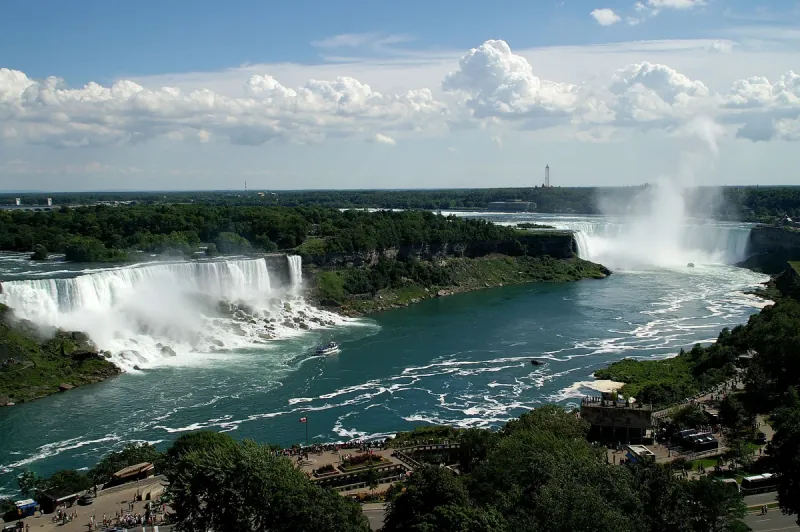
Canada is the second-largest country in the world by total area. Its vast territory spans from the Atlantic to the Pacific and Arctic oceans. Landscapes include the Rocky Mountains, vast prairies, boreal forests, Arctic tundra, and thousands of lakes. Niagara Falls on the US border is one of the most famous waterfalls. The country has six time zones.
Culture & Tradition
Canada is known for its multiculturalism and bilingual heritage (English and French). Indigenous First Nations, Inuit, and Métis cultures are integral to Canadian identity. Canadians are famous for politeness and love of hockey. Canadian contributions include insulin, basketball, IMAX, and poutine. The country celebrates diversity with festivals, art scenes, and inclusive policies.
Economy
Canada has a highly developed economy, the tenth-largest globally. Natural resources (oil sands, timber, minerals), technology, banking, and manufacturing are key sectors. The US is Canada's largest trading partner. Toronto is the financial center, while Vancouver is a tech hub. Agriculture, particularly wheat and canola, is significant in the prairies.
Travel Highlights
Visit Niagara Falls, explore the Rocky Mountains in Banff and Jasper National Parks, experience vibrant Montreal and Toronto, see the northern lights in Yukon, and discover the maritime charm of Nova Scotia. Vancouver offers a perfect blend of city life and nature. Whistler is a world-class ski destination.
Fun Facts
Canada has the longest coastline in the world.
Maple syrup production: Canada produces about 71% of the world's supply.
Canada has more lakes than all other countries combined.
The Trans-Canada Highway is one of the longest national highways.
Ice hockey is Canada's national winter sport, and lacrosse is the national summer sport.
The Canadian territory of Nunavut is larger than Western Europe.
Map
Bordering & Nearby Countries
Frequently Asked Questions (FAQs)
More from North America
Want a surprise? Try our random North America country generator or pick from the entire world.
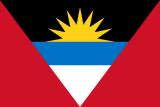
Antigua and Barbuda
Explore Antigua and Barbuda: 365 beaches in the Caribbean. Discover Nelson's Dockyard, pink sand, and world-class sailing.
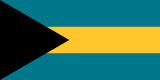
Bahamas
Explore the Bahamas: 700 islands of paradise. Discover swimming pigs, blue holes, Junkanoo culture, and the world's clearest waters.
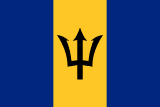
Barbados
Explore Barbados: Little England in the Caribbean. Discover Crop Over festival, world's oldest rum, and stunning beaches.
Belize
Explore Belize: the Great Blue Hole and ancient Maya civilizations. Discover the barrier reef, jaguars, and Caribbean-Central American culture.