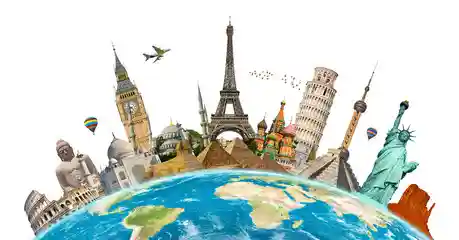
How the Random Country Generator Works
Press Generate and the tool returns one or more countries chosen at random from a list of 195, each with its flag, capital and key facts. There is no sign-up and nothing to download. The whole process takes four steps, and you can stop after any of them: choose a number, choose a region, press the button, then read the guide if the result catches your interest.
Choose how many countries (1, 2, 3, 5 or 10)
Need one country for a quiz question, or five for a group project? Set the number before you spin. Several random countries appear together as cards, and no country appears twice in the same draw. A copy-list button gives you the names as plain text.
Pick a region, or leave it open
By default, all 195 countries are in the draw. Select Africa, Asia, Europe, North America, South America or Oceania to limit it to one continent. Every country in the pool you choose has the same chance of coming up.
Press Generate
Click the button or press the spacebar to pick a random country. Each spin is independent, so the last result has no effect on the next one. That also means the same country can appear twice across two separate spins, exactly as it would if you rolled a die twice.
Open the full country guide
Every result links to a written guide covering history, geography, culture, economy and travel highlights, plus a map and the countries that share its borders. Use it as the starting point for a project, a lesson or a trip.
What You Get With Every Random Country
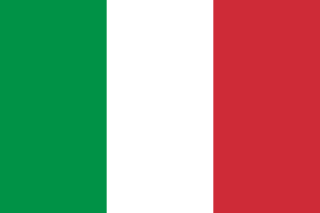
Each result is a short country profile, not just a name. The idea is that a draw should leave you knowing something, so every card carries enough detail to start a conversation, a lesson or a search. The profile card below shows the fields, using Japan as the example.
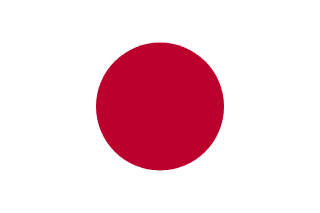
Flag, capital and key facts
The result card is built to be read aloud, hidden for a quiz or scanned in a few seconds. The Show toggle switches between flag and name, flag only, and name only. Teachers tend to use the first, quiz hosts the second, and anyone drilling capitals the third.
Map and neighboring countries
Open the guide to see where the country sits, which countries border it and which continent it belongs to. Neighbors link to their own guides, so a single spin can turn into a tour of a whole region. Land on Bolivia, for example, and you are one click from Peru, Chile, Argentina, Paraguay and Brazil.
Data date and sources
Population figures carry an as-of year, so you can see how current they are. Country names and the member list follow the United Nations. Population comes from the series described in the FAQ below, and the guides are written and checked by us rather than pulled in automatically.
How Many Countries Does the Picker Choose From?
The picker chooses from 195 countries: the 193 member states of the United Nations plus the two permanent observer states. Other lists show different totals mostly because they count different things, not because anyone has made an arithmetic error.
UN member states (193)
UN observer states (2)
The Holy See (Vatican City) and the State of Palestine
Dependencies & territories
Such as Greenland, Puerto Rico and Hong Kong
Partially recognised states
Such as Kosovo and Taiwan
Which countries are included
The UN publishes the list of member states, and that list is the starting point here. The Holy See and the State of Palestine hold non-member observer status at the UN, which is why they are counted too. Titles use the name people search for, such as Turkey, while the official UN form, Türkiye, appears in each country's data row.
Why some lists show 250 or more
Totals between 195 and roughly 260 appear online. The higher ones add dependent territories and special regions, which are not independent countries. This tool counts countries only, so territories stay out. If you need territories, look for a list that says it includes them. Kosovo and Taiwan are left out for a different reason: they are governed as states in practice, but they are not UN members or observers, and countries disagree about their status. The list follows the UN so that the rule is simple, public and easy to check.
More Ways to Pick a Country
Not every pick needs the same format. Sometimes you want one surprise, sometimes a whole alphabetical list, and sometimes only the countries of one region. Choose the option that fits the job.
One surprise country
The generator on this page gives you a random country with flag, capital and facts.
A flag quiz
Set the Show toggle to flag only and you get the flag without the name.
Explore by continent
Jump straight into one region. Each continent page lists its countries and has its own generator.
Featured Country Guides
Every spin leads to a guide, but you can also start from one.
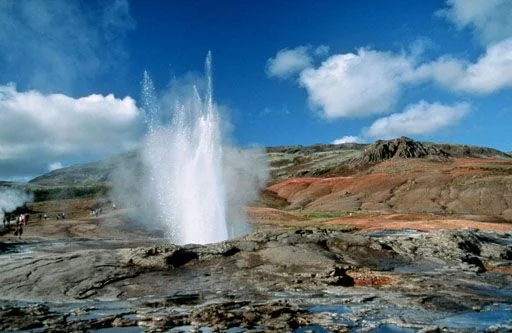
Hidden Gems: Small Countries Worth Knowing
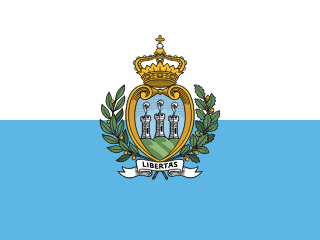
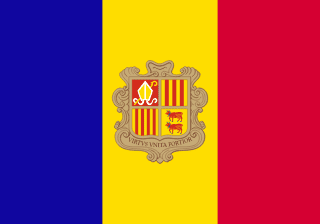
Small or little-known countries, such as San Marino, Andorra and Bhutan, get full guides of their own. If a country rarely makes the news, start there. Small countries are easy to overlook because they are easy to miss on a map, yet each has its own language, history and way of life, and the guides treat them with the same depth as the large ones.

Who Uses a Country Picker?
Anyone who needs to name a random country fairly and fast.
Teachers and classrooms
Use the picker as a country randomizer for the whole class. Assign each group a country by draw, so nobody argues about who got the easy one, then use the draw again for presentations and pop quizzes.
Students and quiz prep
Draw five countries, then try to name each capital before you open the guides. Checking afterwards turns revision into a short game. Repeat it with the Show toggle on flag only, and you are practising two skills with one draw.
Trivia hosts and game nights
Draw a country, ask for its capital, flag or neighbors, then reveal the answer. A round takes seconds to set up and needs no preparation. For a longer game, draw ten countries once, copy the list, and use it as the question sheet for the whole evening.
Travelers choosing a destination
If you keep returning to the same shortlist, let the draw suggest somewhere you would not have searched for. Read the guide's travel highlights before you decide whether it deserves a place on the list.
Writers, creators and developers
Writers use a draw to set a story somewhere unexpected, and video creators build series around it. Developers can copy a list of real country names for sample data.
Frequently Asked Questions
What is a random country generator?
A random country generator is a tool that picks a country from a fixed list by chance, with no preference for large or famous countries. This one draws from 195 countries and shows each result with its flag, capital and key facts, plus a link to a written guide.
How do I get more than one random country at once?
Set the number selector to 2, 3, 5 or 10 before you press Generate. No country appears twice in a single draw, and the copy-list button gives you the names as plain text.
Is the selection truly random?
Every country in the pool has the same chance on each spin, and each spin ignores the one before it. Population, size and fame do not change the odds, so repeats across separate spins are possible.
How many countries are included, and which ones?
There are 195: the 193 United Nations member states plus two permanent observer states, the Holy See and the State of Palestine. Dependencies and territories such as Greenland and Puerto Rico are not included.
Can I pick a country from one continent only?
Yes. Choose Africa, Asia, Europe, North America, South America or Oceania before you generate. Each continent also has its own page listing its countries.
Where does the country data come from, and how current is it?
Country names and the member list follow the United Nations. Population figures come from World Bank data, which draws on UN World Population Prospects and national statistics offices and is released under a CC BY 4.0 licence. Each figure shows its as-of year.
Can I use it in a classroom or for a quiz?
Yes. It is free, needs no account and works on a phone, tablet or classroom projector. Draw one to ten countries, set the Show toggle to flag only for a flag round, and use the guides as an answer key.
Can it give me a random country name for a story or game?
It gives you the names of real countries only, and the copy-list button makes them easy to paste. It does not invent fictional nations. For a made-up country, you would need a worldbuilding tool instead.
Must-Visit Destinations
Hand-picked nations known for their rich history and vibrant cultures.