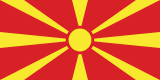
North Macedonia – Facts, Capital & Geography | Random Country Generator
Capital
Skopje
Population
1.8 Million (#147)
Currency
Macedonian Denar (MKD)
Language
Macedonian
Area
25,713 km²
National Dish
Tavče Gravče
National Flower
Poppy
Density
80/km²
Internet TLD
.mk
Brief History
North Macedonia was home to ancient Paeonians before Roman conquest, later settled by Slavic tribes in the 6th century. It was ruled by the Byzantine and Ottoman empires for centuries, incorporated into the Kingdom of Serbia after the Balkan Wars. Following WWII, it became a constituent republic of Yugoslavia, declaring peaceful independence on September 8, 1991, and resolving a long-running naming dispute with Greece in 2018.
Key Demographics & Capital
North Macedonia has a population of approximately 2 million, presenting a diverse demographic mix: ethnic Macedonians comprise over 58% of the population, followed by a large Albanian minority (about 24%). Macedonian is the sole official national language, while Albanian is recognized. The population is concentrated in the western regions and the capital Skopje, facing low fertility and emigration.
Geography
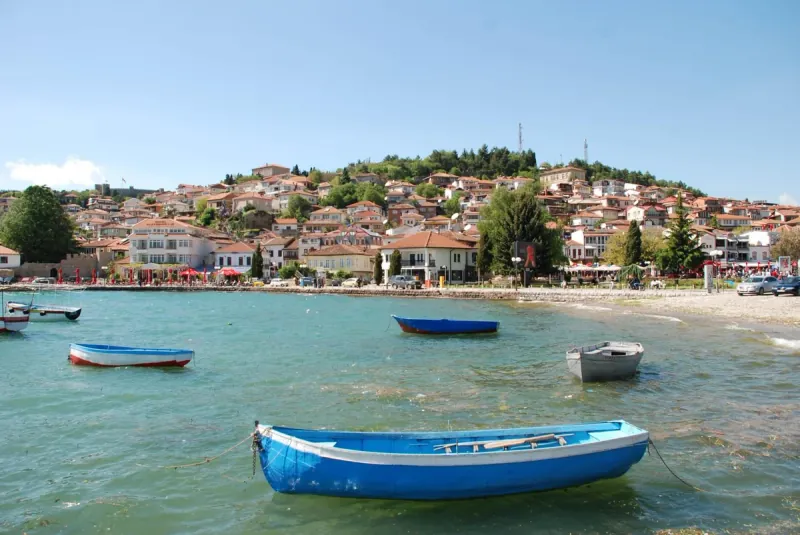
North Macedonia is a landlocked country in the Balkans. The landscape is predominantly mountainous with valleys and basins. Lake Ohrid, shared with Albania, is one of Europe's oldest and deepest lakes. The Vardar River flows through the center. The country has a continental-Mediterranean climate transition.
Culture & Tradition
North Macedonian culture reflects Slavic, Ottoman, and Byzantine influences. Lake Ohrid's churches and monasteries contain extraordinary Byzantine frescoes. Traditional music features the zurla (oboe) and tapan (drum). Macedonian cuisine includes tavče gravče (baked beans), ajvar (pepper relish), and burek. Orthodox Christianity shapes cultural identity.
Economy
North Macedonia's economy is based on agriculture, manufacturing (automotive parts, textiles), and services. The country is a candidate for EU membership. Wine production, tobacco, and metal processing are significant sectors. Remittances from abroad contribute to the economy. Tourism centered on Ohrid is growing.
Travel Highlights
Explore Lake Ohrid and its medieval churches (UNESCO), discover Skopje's eclectic mix of Ottoman, Soviet, and Baroque 2014 project architecture, visit the ancient Stobi archaeological site, hike in Mavrovo National Park, and explore the old bazaar of Skopje. The Matka Canyon offers kayaking near the capital.
Fun Facts
Lake Ohrid is one of the oldest lakes in the world.
Mother Teresa was born in Skopje.
North Macedonia has more mountains above 2,000 meters per square km than Switzerland.
The Macedonian Orthodox Church has frescoes dating back to the 11th century.
Skopje was destroyed by an earthquake in 1963.
Ohrid once had 365 churches — one for each day of the year.
Map
Bordering & Nearby Countries
Frequently Asked Questions (FAQs)
More from Europe
Want a surprise? Try our random Europe country generator or pick from the entire world.
Albania
Explore Albania: Europe's last hidden gem. Discover pristine beaches, ancient cities, and dramatic Albanian Alps.
Andorra
Explore Andorra: tiny mountain principality in the Pyrenees. Discover skiing, duty-free shopping, and Romanesque heritage.
Austria
Explore Austria: land of Mozart, Alpine peaks, and Viennese culture. Discover Salzburg, ski resorts, and Habsburg heritage.
Belarus
Explore Belarus: Europe's last primeval forest and medieval castles. Discover Belovezhskaya Pushcha, Mir Castle, and Slavic heritage.