
Saint Lucia – Facts, Capital & Geography | Random Country Generator
Capital
Castries
Population
180K (#176)
Currency
East Caribbean Dollar (XCD)
Language
English
Area
616 km²
National Dish
Green Fig & Saltfish
National Flower
Anthurium
Density
296/km²
Internet TLD
.lc
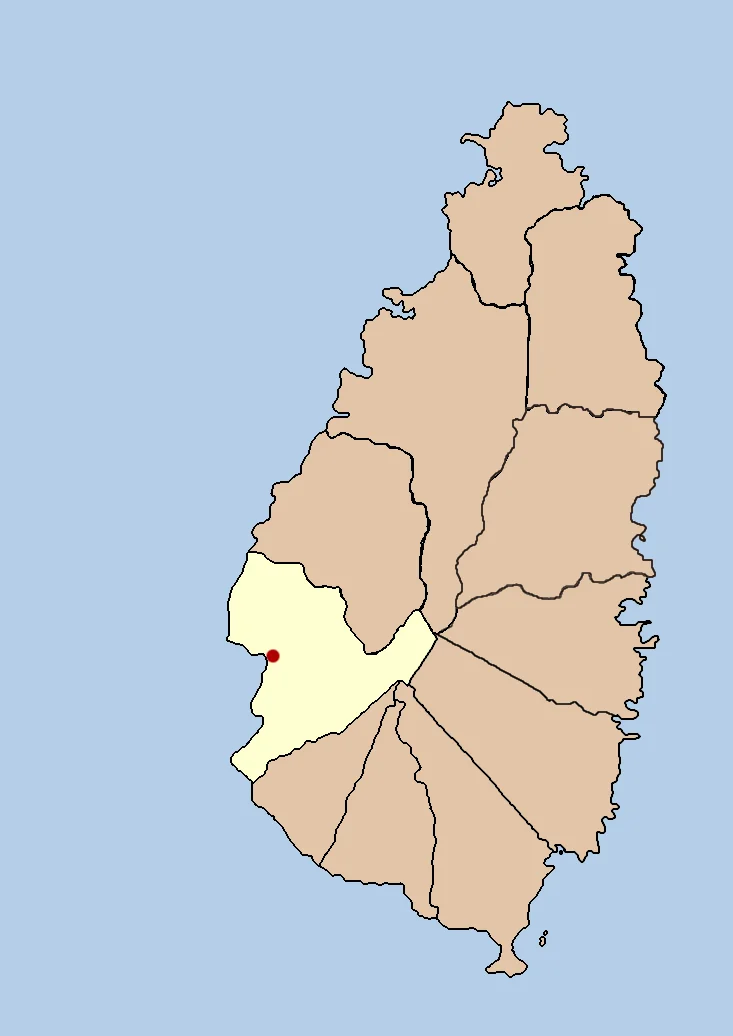
Brief History
Saint Saint Lucia was inhabited by Caribs, who fiercely resisted European colonization, keeping the island neutral until French settlers established sugar plantations in the 17th century. The island was contested and changed hands 14 times between British and French forces before Britain secured permanent control in 1814. Saint Lucia achieved full independence on February 22, 1979, under John Compton, retaining a constitutional monarchy.
Key Demographics & Capital
Saint Lucia has a population of approximately 180,000, with about 85% of the population identifying as being of African descent, and 10% as mixed race. English is the official national language, used in government and education, while Saint Lucian Creole French (Kwéyòl) is spoken by the vast majority in informal daily communication. The population is concentrated along the northern and western coasts.
Geography
Saint Lucia is a volcanic island in the Eastern Caribbean. The iconic Piton mountains (Gros Piton and Petit Piton) are UNESCO World Heritage Sites. The island features tropical rainforest, volcanic hot springs, waterfalls, and beautiful beaches. The Sulphur Springs area is the Caribbean's only drive-in volcano. The coastline has sheltered bays and coral reefs.
Culture & Tradition
Saint Lucian culture blends French Creole and British influences. Kwéyòl (French Creole) is widely spoken alongside English. The island has produced two Nobel laureates (Arthur Lewis and Derek Walcott) — the most per capita of any nation. Music includes zouk, soca, and calypso. Cuisine features green banana and saltfish (national dish), bouyon, and cocoa tea.
Economy
Tourism is Saint Lucia's main economic driver, centered on the Pitons, beaches, and all-inclusive resorts. Agriculture includes bananas, cocoa, and coconut. Manufacturing and light industry contribute. The island is developing its cocoa and chocolate industry as a premium export. The creative economy (festivals, arts) is growing.
Travel Highlights
Hike the Pitons (UNESCO), drive into the Sulphur Springs volcano, mud bath at the volcanic springs, snorkel at Anse Chastanet, explore Pigeon Island National Park, visit a cocoa plantation, and zip-line through the rainforest. Saint Lucia offers dramatic Caribbean beauty with its twin volcanic peaks.
Fun Facts
The Pitons are Saint Lucia's iconic twin volcanic peaks.
Saint Lucia is the only country named after a woman.
The island has its own drive-in volcano (Sulphur Springs).
Saint Lucia has won two Nobel Prizes — most per capita in the world.
The island produces award-winning chocolate from local cacao.
Jazz Festival and Carnival are major cultural events.
Map
Bordering & Nearby Countries
Frequently Asked Questions (FAQs)
More from North America
Want a surprise? Try our random North America country generator or pick from the entire world.
Antigua and Barbuda
Explore Antigua and Barbuda: 365 beaches in the Caribbean. Discover Nelson's Dockyard, pink sand, and world-class sailing.
Bahamas
Explore the Bahamas: 700 islands of paradise. Discover swimming pigs, blue holes, Junkanoo culture, and the world's clearest waters.
Barbados
Explore Barbados: Little England in the Caribbean. Discover Crop Over festival, world's oldest rum, and stunning beaches.
Belize
Explore Belize: the Great Blue Hole and ancient Maya civilizations. Discover the barrier reef, jaguars, and Caribbean-Central American culture.