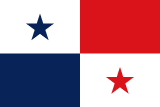
Panama – Facts, Capital & Geography | Random Country Generator
Capital
Panama City
Population
4.4 Million (#125)
Currency
Panamanian Balboa (PAB)
Language
Spanish
Area
75,417 km²
National Dish
Sancocho
National Flower
Holy Ghost Orchid
Density
57/km²
Internet TLD
.pa
Brief History
Panama was inhabited by indigenous Chibcha groups before Spanish explorer Rodrigo de Bastidas arrived in 1501, establishing it as a crucial transit route for Spanish silver. It declared independence from Spain in 1821, joining Gran Colombia. With United States support, Panama seceded from Colombia on November 3, 1903, to facilitate the construction of the Panama Canal, which was fully handed over to Panama in 1999.
Key Demographics & Capital
Panama has a population of approximately 4.4 million, presenting a demographic mix of Mestizo (mixed Spanish and indigenous ancestry, 65%), Afro-Panamanian (14%), and indigenous (12%) communities. Spanish is the sole official language, while English is widely spoken in business. The population is highly urbanized (68%), concentrated along the transit corridor of the Panama Canal.
Geography
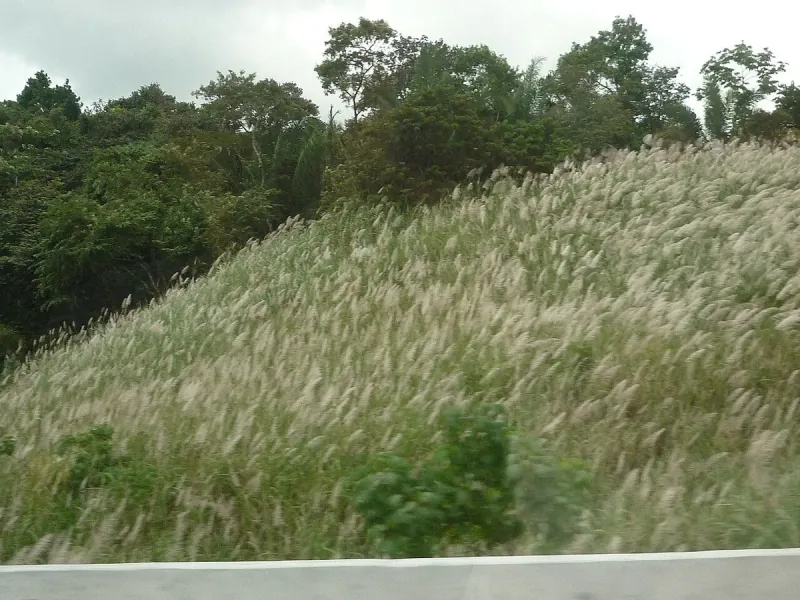
Panama is the southernmost country in Central America, connecting the continent to South America. The famous Panama Canal crosses the isthmus. The landscape features volcanic highlands, tropical rainforests, Caribbean and Pacific coastlines, and over 1,500 islands. The Darién Gap is one of the world's most impenetrable wildernesses.
Culture & Tradition
Panamanian culture blends Spanish, indigenous, African, and American influences. The Panama Canal has shaped national identity. Traditional pollera dresses and devils' masks represent folk heritage. Panamanian cuisine features sancocho (stew), patacones, and ceviche. Salsa and reggaeton are popular music genres. The canal zone has a unique cultural history.
Economy
Panama has one of the fastest-growing economies in the Americas. The Panama Canal, banking sector, free trade zones, and logistics drive the economy. Panama City is a major financial hub. Tourism is significant. The country uses the US dollar. The expansion of the canal has increased trade capacity.
Travel Highlights
Watch massive ships transit the Panama Canal at Miraflores Locks, explore Panama City's Casco Viejo (UNESCO), visit the San Blas Islands (Guna Yala), hike in the cloud forests of Boquete, relax on Bocas del Toro's Caribbean islands, and explore the biodiversity of the Darién. Panama offers an incredible range of experiences.
Fun Facts
The Panama Canal connects the Atlantic and Pacific Oceans.
Panama is the only place where you can see the sun rise on the Pacific and set on the Atlantic.
Panama hats actually originated in Ecuador.
The country has more bird species than the US and Canada combined.
Panama City has the only major metropolitan rainforest in the world.
Panama uses the US dollar alongside the Balboa.
Map
Bordering & Nearby Countries
Frequently Asked Questions (FAQs)
More from North America
Want a surprise? Try our random North America country generator or pick from the entire world.
Antigua and Barbuda
Explore Antigua and Barbuda: 365 beaches in the Caribbean. Discover Nelson's Dockyard, pink sand, and world-class sailing.
Bahamas
Explore the Bahamas: 700 islands of paradise. Discover swimming pigs, blue holes, Junkanoo culture, and the world's clearest waters.
Barbados
Explore Barbados: Little England in the Caribbean. Discover Crop Over festival, world's oldest rum, and stunning beaches.
Belize
Explore Belize: the Great Blue Hole and ancient Maya civilizations. Discover the barrier reef, jaguars, and Caribbean-Central American culture.