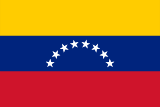
Venezuela – Facts, Capital & Geography | Random Country Generator
Capital
Caracas
Population
28.4 Million (#51)
Currency
Venezuelan Bolívar (VES)
Language
Spanish
Area
916,445 km²
National Dish
Pabellón Criollo
National Flower
May Orchid
Density
36/km²
Internet TLD
.ve
Brief History
Venezuela was colonized by Spain in the 16th century, becoming the first South American colony to declare independence on July 5, 1811, under the leadership of Francisco de Miranda and Simón Bolívar. The country became a major oil exporter in the 1910s following the discovery of the Zumaque-I well, transforming its agrarian economy. Hugo Chávez was elected president in 1998, initiating the socialist Bolivarian Revolution and nationalizing key industries. Following Chávez's death in 2013, the country under Nicolás Maduro fell into a severe economic crisis characterized by hyperinflation and political conflict.
Key Demographics & Capital
Venezuela has a population of approximately 28.4 million, presenting a diverse demographic mix composed primarily of Mestizos (mixed European and indigenous ancestry, 51%) and Whites (43%). Spanish is the official language, alongside dozens of recognized indigenous languages spoken in remote forest regions. The population is highly urbanized, with over 88% of residents living in cities along the northern Caribbean coast, particularly in Caracas. In recent years, a massive migration crisis has seen over 7 million Venezuelans flee the country, primarily to neighboring Colombia, Peru, and Spain.
Geography
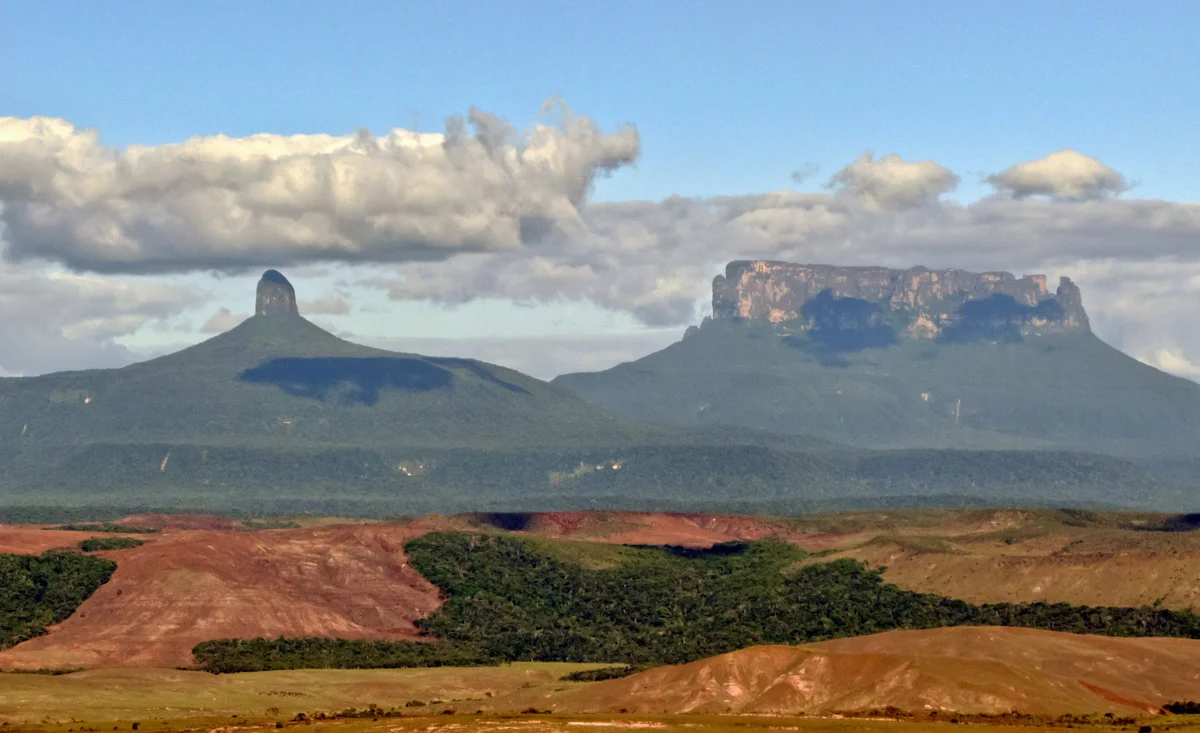
Venezuela is on the northern coast of South America. The landscape is extraordinarily diverse: Andes Mountains in the west, Caribbean coastline in the north, Llanos grasslands in the center, Amazon rainforest in the south, and the ancient tepui (table-top mountain) formations of the Gran Sabana. Angel Falls drops from the Auyán-tepui.
Culture & Tradition
Venezuelan culture is vibrant and musical. Joropo is the national music and dance. Baseball is the most popular sport. Venezuelan cuisine features arepas (corn cakes), pabellón criollo (national dish), and cachapas. Beauty pageants are a national institution. The country has produced Nobel Prize-winning literature. Carnival celebrations are joyful.
Economy
Venezuela has the world's largest proven oil reserves. The economy has been heavily dependent on oil but has experienced severe crisis with hyperinflation and economic collapse. Agriculture, mining, and manufacturing have declined. The country has vast natural resources including gold, diamonds, and iron ore.
Travel Highlights
Angel Falls is the bucket-list highlight, dropping 979 meters from Auyán-tepui. The Los Roques archipelago offers pristine Caribbean beaches. Mérida has the world's highest cable car. The Gran Sabana's tepuis offer otherworldly landscapes. Morrocoy National Park has beautiful coral cays. Travel requires careful planning due to the current situation.
Fun Facts
Angel Falls is the world's highest waterfall at 979 meters.
Venezuela has the world's largest proven oil reserves.
The country has won more international beauty pageant titles than any other.
Lightning flashes over Lake Maracaibo almost every night.
Venezuela was named 'Little Venice' by European explorers.
The tepuis (table-top mountains) inspired the movie 'Up.'
Map
Bordering & Nearby Countries
Frequently Asked Questions (FAQs)
More from South America
Want a surprise? Try our random South America country generator or pick from the entire world.
Argentina
Discover Argentina: from Buenos Aires tango to Patagonian glaciers. Explore wine country, Iguazu Falls, and vibrant culture.
Bolivia
Explore Bolivia: the Salar de Uyuni and world's highest capital. Discover Lake Titicaca, indigenous culture, and Andean adventures.
Brazil
Discover Brazil: home of the Amazon, Carnival, and beautiful beaches. Explore culture, geography, and travel highlights.
Chile
Discover Chile: from the Atacama Desert to Patagonian glaciers. Explore Easter Island, wine country, and diverse landscapes.