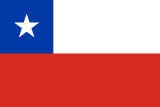
Chile – Facts, Capital & Geography | Random Country Generator
Capital
Santiago
Population
19.5 Million (#64)
Currency
Chilean Peso (CLP)
Language
Spanish
Area
756,102 km²
National Dish
Pastel de Choclo
National Flower
Copihue
Density
26/km²
Internet TLD
.cl
Brief History
Chile was controlled by the indigenous Mapuche in the south before Spanish conquistador Pedro de Valdivia founded Santiago in 1541. Independence was won on February 12, 1818, under the leadership of Bernardo O'Higgins and José de San Martín. Chile developed a stable democratic tradition in the 20th century, which was brutally interrupted by the military coup of Augusto Pinochet (1973–1990) before transitioning back to democracy.
Key Demographics & Capital
Chile has a population of approximately 19.5 million, with a demographic profile primarily composed of Mestizo (mixed European and indigenous ancestry) and European descent. The Mapuche are the largest indigenous minority (comprising about 10%). Spanish is the official language, spoken with a distinct Chilean dialect. The country is highly urbanized, with over 88% of the population concentrated in cities, primarily Santiago.
Geography
Chile is an extraordinarily long, narrow country stretching along South America's western coast. It spans from the Atacama Desert in the north (the driest on Earth) to Patagonian glaciers in the south. The Andes Mountains form the eastern border. Chile includes Easter Island in the Pacific and part of Tierra del Fuego. The diverse geography creates dramatically different climates and ecosystems.
Culture & Tradition
Chilean culture blends Indigenous Mapuche heritage with Spanish colonial influence. Literature is a national strength, with Nobel laureates Pablo Neruda and Gabriela Mistral. Chilean wine culture is increasingly celebrated globally. Cueca is the national dance. Chilean cuisine features empanadas, pastel de choclo, and excellent seafood. Street art and poetry are vibrant forms of expression.
Economy
Chile has one of South America's most stable and prosperous economies. Mining (copper — the world's largest producer) is the backbone. Other key sectors include agriculture (wine, fruit), forestry, fishing (salmon), and services. Santiago is a regional financial hub. Chile has extensive free trade agreements and a growing tech sector.
Travel Highlights
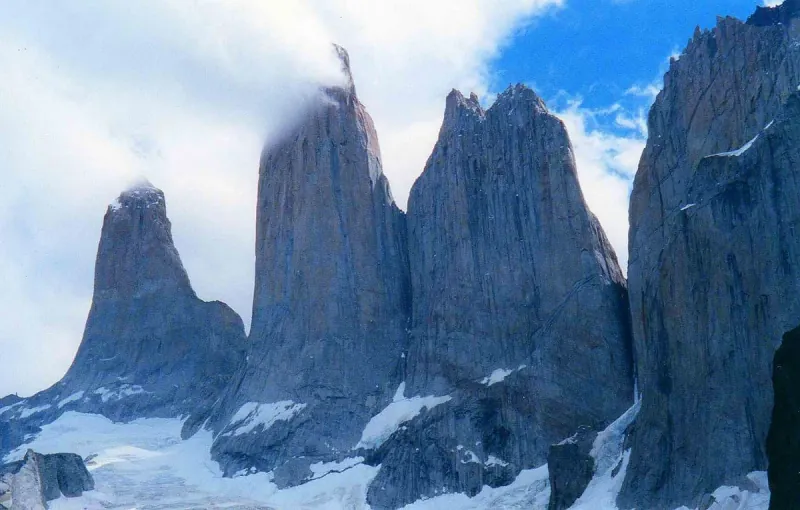
Visit the Atacama Desert for stargazing, explore the Torres del Paine National Park in Patagonia, see the mysterious moai statues on Easter Island, taste wines in the Maipo and Colchagua Valleys, and explore Santiago's vibrant food scene. The Lake District offers Andean scenery, while Valparaíso's colorful hillside streets are a UNESCO site.
Fun Facts
Chile is the longest country in the world from north to south (4,300 km).
The Atacama Desert is the driest place on Earth.
Chile has the tallest building in South America (Gran Torre Santiago).
Easter Island's moai statues were carved by the Rapa Nui people.
Chile produces about a third of the world's copper.
The Chilean poet Pablo Neruda won the Nobel Prize in Literature.
Map
Bordering & Nearby Countries
Frequently Asked Questions (FAQs)
More from South America
Want a surprise? Try our random South America country generator or pick from the entire world.
Argentina
Discover Argentina: from Buenos Aires tango to Patagonian glaciers. Explore wine country, Iguazu Falls, and vibrant culture.
Bolivia
Explore Bolivia: the Salar de Uyuni and world's highest capital. Discover Lake Titicaca, indigenous culture, and Andean adventures.
Brazil
Discover Brazil: home of the Amazon, Carnival, and beautiful beaches. Explore culture, geography, and travel highlights.
Colombia
Discover Colombia: from Cartagena's colonial charm to the coffee region. Explore biodiversity, vibrant culture, and Caribbean beaches.