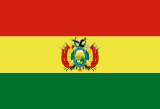
Bolivia – Facts, Capital & Geography | Random Country Generator
Capital
Sucre
Population
12.1 Million (#78)
Currency
Bolivian Boliviano (BOB)
Language
Spanish, Quechua, Aymara
Area
1,098,581 km²
National Dish
Salteña
National Flower
Kantuta
Density
11/km²
Internet TLD
.bo
Brief History
Bolivia was part of the ancient Tiwanaku empire before being conquered by the Inca Empire, and later by the Spanish Empire in the 16th century. The silver mines of Potosí made it one of Spain's wealthiest colonies. Bolivia achieved independence on August 6, 1825, following a 16-year war led by Simón Bolívar and Antonio José de Sucre. The country has since experienced numerous military coups and political reforms, culminating in the rise of indigenous rights movements.
Key Demographics & Capital
Bolivia has a population of approximately 12 million, characterized by one of the highest percentages of indigenous peoples in the Americas, with the Aymara and Quechua comprising major demographic blocks. The country recognizes Spanish and 36 indigenous languages as official, with Quechua and Aymara being the most widely spoken. The population is concentrated in the high-altitude Altiplano valleys and the lowlands around Santa Cruz.
Geography
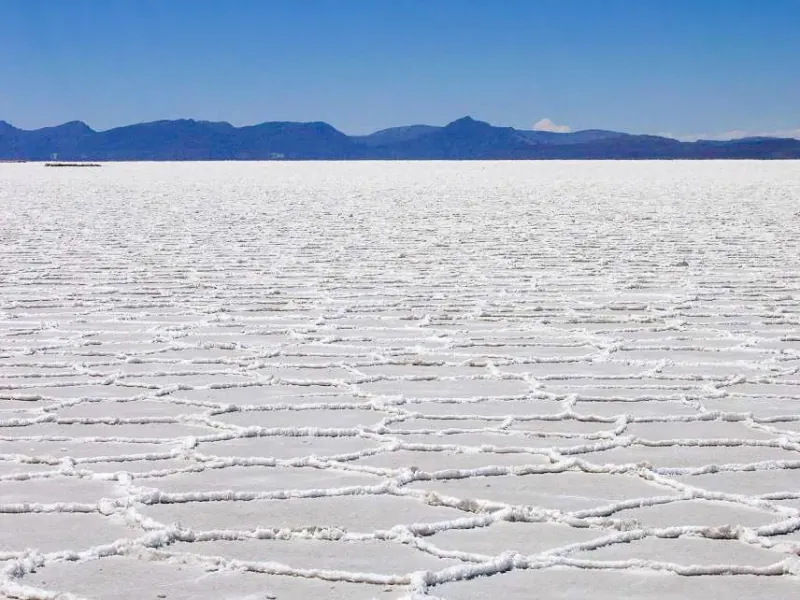
Bolivia is a landlocked country in South America. The landscape is dramatically diverse: the Andes mountains and Altiplano plateau in the west, lowland Amazon rainforest in the east, and the vast Salar de Uyuni salt flats. Lake Titicaca, the highest navigable lake in the world, is shared with Peru. La Paz sits at over 3,600 meters elevation.
Culture & Tradition
Bolivian culture is deeply indigenous with Quechua and Aymara traditions central to national identity. Traditional festivals feature elaborate costumes and dance (the Oruro Carnival is UNESCO-recognized). Bolivian cuisine includes salteñas (stuffed pastries), llama meat, and chuño (freeze-dried potatoes). Cholitas (indigenous women) in traditional dress are cultural icons.
Economy
Bolivia's economy relies on natural gas, mining (tin, silver, lithium — holding the world's largest reserves), agriculture, and coca production. Lithium reserves in the Salar de Uyuni have enormous future potential. Agriculture includes soybeans and quinoa. Tourism centered on natural wonders is growing.
Travel Highlights
Walk on the surreal Salar de Uyuni mirror-like salt flats, bike down the Death Road, visit Lake Titicaca and Isla del Sol, explore La Paz's witch market, discover the silver mines of Potosí, attend the Oruro Carnival, and trek in the Cordillera Real. Bolivia offers some of South America's most dramatic experiences.
Fun Facts
The Salar de Uyuni is the world's largest salt flat.
La Paz is the world's highest capital city.
Bolivia has 37 official languages.
The Death Road is one of the world's most dangerous roads.
Lake Titicaca is the highest navigable lake in the world.
Bolivia has two capital cities: Sucre and La Paz.
Map
Bordering & Nearby Countries
Frequently Asked Questions (FAQs)
More from South America
Want a surprise? Try our random South America country generator or pick from the entire world.
Argentina
Discover Argentina: from Buenos Aires tango to Patagonian glaciers. Explore wine country, Iguazu Falls, and vibrant culture.
Brazil
Discover Brazil: home of the Amazon, Carnival, and beautiful beaches. Explore culture, geography, and travel highlights.
Chile
Discover Chile: from the Atacama Desert to Patagonian glaciers. Explore Easter Island, wine country, and diverse landscapes.
Colombia
Discover Colombia: from Cartagena's colonial charm to the coffee region. Explore biodiversity, vibrant culture, and Caribbean beaches.