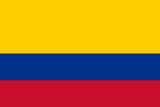
Colombia – Facts, Capital & Geography | Random Country Generator
Capital
Bogotá
Population
51.9 Million (#28)
Currency
Colombian Peso (COP)
Language
Spanish
Area
1,141,748 km²
National Dish
Bandeja Paisa
National Flower
Christmas Orchid
Density
44/km²
Internet TLD
.co
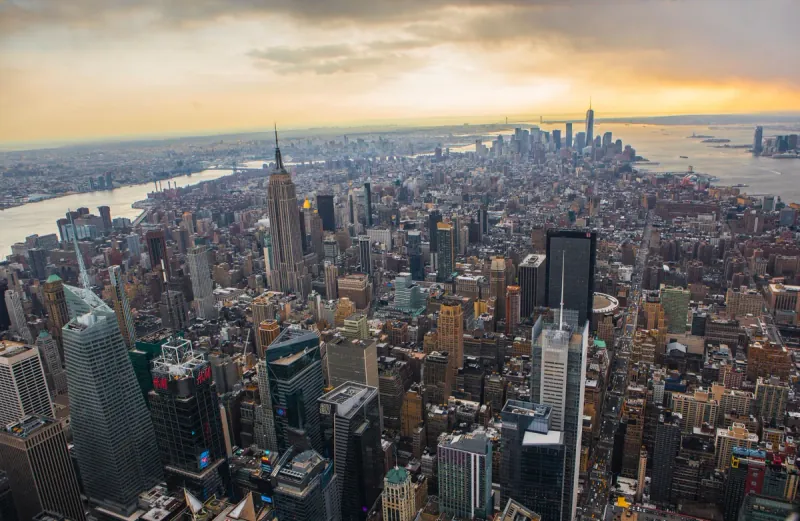
Brief History
Colombia was inhabited by advanced indigenous societies, including the Muisca, before Spanish colonizer Gonzalo Jiménez de Quesada founded Bogotá in 1538. It became the heart of the Viceroyalty of New Granada, achieving independence in 1819 under the military leadership of Simón Bolívar. The nation's history has been marked by partisan conflicts, culminating in a decades-long internal armed struggle with guerrilla groups that ended with a 2016 peace treaty.
Key Demographics & Capital
Colombia has a population of approximately 52 million, making it the third most populous nation in Latin America. The population is highly diverse, consisting of Mestizo (86%), Afro-Colombian (6%), and indigenous (4%) communities. Spanish is the official language, alongside 65 recognized indigenous languages. The population is concentrated in the Andean highlands and Caribbean coast, with over 81% living in urban centers.
Geography
Colombia sits at the northwestern tip of South America, with coastlines on both the Caribbean Sea and Pacific Ocean. The Andes Mountains split into three ranges crossing the country. Landscapes include tropical rainforests, Caribbean beaches, highland plains, and the Amazon basin. Colombia has incredible biodiversity, ranking second globally in species diversity.
Culture & Tradition
Colombian culture is warm, vibrant, and diverse. Music genres like cumbia, vallenato, and reggaeton reflect African, Indigenous, and Spanish influences. Colombian coffee culture is world-renowned. Literature (Gabriel García Márquez's magical realism), dance (salsa in Cali), and festivals (Carnival of Barranquilla) showcase the creative spirit. Colombians are known for their friendliness and resilience.
Economy
Colombia has the fourth-largest economy in Latin America. Key sectors include oil and mining, coffee, flowers (world's second-largest exporter), agriculture, and manufacturing. Tourism is growing rapidly as the country's image improves. Bogotá and Medellín are innovation hubs. The tech startup ecosystem is expanding.
Travel Highlights
Explore the colonial streets of Cartagena, hike to the Lost City (Ciudad Perdida), visit the coffee region (Eje Cafetero), discover Medellín's urban transformation, and relax on the Caribbean islands of San Andrés. The Cocora Valley with its towering wax palms, Tayrona National Park, and the Amazon region near Leticia offer incredible nature experiences.
Fun Facts
Colombia is the only South American country with coastlines on both the Pacific and Caribbean.
Colombia produces about 12% of the world's coffee.
The country is the world's leading emerald producer.
Colombia has more bird species than any other country.
Gabriel García Márquez, Nobel Prize-winning author, was Colombian.
Colombia's Caño Cristales is called the 'River of Five Colors'.
Map
Bordering & Nearby Countries
Frequently Asked Questions (FAQs)
More from South America
Want a surprise? Try our random South America country generator or pick from the entire world.
Argentina
Discover Argentina: from Buenos Aires tango to Patagonian glaciers. Explore wine country, Iguazu Falls, and vibrant culture.
Bolivia
Explore Bolivia: the Salar de Uyuni and world's highest capital. Discover Lake Titicaca, indigenous culture, and Andean adventures.
Brazil
Discover Brazil: home of the Amazon, Carnival, and beautiful beaches. Explore culture, geography, and travel highlights.
Chile
Discover Chile: from the Atacama Desert to Patagonian glaciers. Explore Easter Island, wine country, and diverse landscapes.