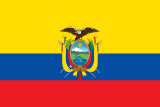
Ecuador – Facts, Capital & Geography | Random Country Generator
Capital
Quito
Population
18.0 Million (#66)
Currency
United States Dollar (USD)
Language
Spanish
Area
283,561 km²
National Dish
Seco de Pollo
National Flower
Rose
Density
70/km²
Internet TLD
.ec
Brief History
Ecuador was part of the northern territories of the Inca Empire before Spanish conquistador Francisco Pizarro conquered the region in 1534, establishing San Francisco de Quito. It remained under Spanish rule as the Royal Audience of Quito, achieving independence on May 24, 1822, following the Battle of Pichincha. Ecuador was initially part of Gran Colombia alongside Venezuela and Colombia, separating in 1830 to become an independent republic under Juan José Flores.
Key Demographics & Capital
Ecuador has a population of approximately 18 million residents, with Mestizos (mixed European and indigenous ancestry) comprising the largest demographic group (about 72%). Indigenous communities, including the Kichwa and Shuar, make up about 7%, and Afro-Ecuadorians comprise about 7%. Spanish is the official language, while Kichwa and Shuar are recognized as official languages of intercultural relation. The population is concentrated in the Andes valleys and coastal plains.
Geography
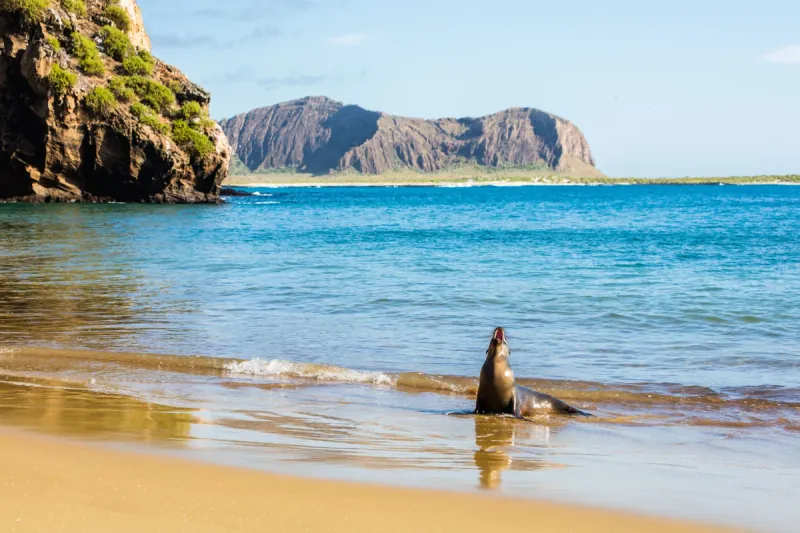
Ecuador straddles the equator in South America. Despite its small size, it has four geographic regions: the Pacific coast (Costa), the Andean highlands (Sierra) with volcanoes over 6,000m, the Amazon rainforest (Oriente), and the Galápagos Islands 1,000 km offshore. This diversity creates extraordinary biodiversity.
Culture & Tradition
Ecuadorian culture blends indigenous (Quechua, Shuar), Spanish colonial, and African influences. The historic center of Quito is a UNESCO masterpiece of colonial architecture. Ecuadorian cuisine varies by region — ceviche on the coast, locro (potato soup) in the highlands, and chontacuro (palm grub) in the Amazon. Panama hat (sombrero de paja toquilla) weaving is UNESCO-recognized.
Economy
Ecuador's economy relies on oil exports, agriculture (bananas — world's largest exporter, shrimp, cocoa, flowers), and remittances. The country uses the US dollar. Tourism, particularly to the Galápagos, is significant. Ecuador produces some of the world's finest chocolate (cacao) and roses.
Travel Highlights
Visit the unique wildlife of the Galápagos Islands, explore Quito's stunning colonial center (UNESCO), hike or climb Andean volcanoes (Cotopaxi), discover the Amazon from jungle lodges, ride the Devil's Nose train, visit the equator monument, and explore the colonial city of Cuenca (UNESCO). Ecuador packs incredible diversity into a compact country.
Fun Facts
The Galápagos Islands inspired Darwin's theory of evolution.
Ecuador is named after the equator which runs through it.
Quito was the first UNESCO World Heritage Site.
Ecuador has the highest biodiversity per square kilometer on Earth.
Panama hats actually come from Ecuador.
The country uses the US dollar as its currency.
Map
Bordering & Nearby Countries
Frequently Asked Questions (FAQs)
More from South America
Want a surprise? Try our random South America country generator or pick from the entire world.
Argentina
Discover Argentina: from Buenos Aires tango to Patagonian glaciers. Explore wine country, Iguazu Falls, and vibrant culture.
Bolivia
Explore Bolivia: the Salar de Uyuni and world's highest capital. Discover Lake Titicaca, indigenous culture, and Andean adventures.
Brazil
Discover Brazil: home of the Amazon, Carnival, and beautiful beaches. Explore culture, geography, and travel highlights.
Chile
Discover Chile: from the Atacama Desert to Patagonian glaciers. Explore Easter Island, wine country, and diverse landscapes.