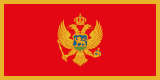
Montenegro – Facts, Capital & Geography | Random Country Generator
Capital
Podgorica
Population
620K (#163)
Currency
Euro (EUR)
Language
Montenegrin
Area
13,812 km²
National Dish
Kacamak
National Flower
Wild Iris
Density
45/km²
Internet TLD
.me
Brief History
Montenegro emerged as the medieval Principality of Zeta, maintaining its independence under bishop-princes during Ottoman expansion in the Balkans. It was recognized as an independent principality in 1878 at the Congress of Berlin. Following WWI, Montenegro was incorporated into Yugoslavia, gaining independence through a democratic referendum on May 21, 2006, which dissolved its union with Serbia.
Key Demographics & Capital
Montenegro has a population of approximately 620,000, presenting a diverse demographic mix: Montenegrins comprise 45% of the population, followed by Serbs (29.7%), Bosniaks (8.6%), and Albanians (4.9%). Montenegrin is the official national language, while Serbian, Bosnian, and Albanian are recognized. The population is concentrated in the southern coastal region and the capital Podgorica.
Geography
Montenegro is a small country on the Adriatic coast of Southeastern Europe. The landscape is dramatically mountainous with deep canyons, glacier lakes, and a stunning coastline. The Bay of Kotor is a spectacular fjord-like inlet. The Tara River Canyon is one of the deepest in the world. Durmitor National Park has peaks over 2,500 meters.
Culture & Tradition
Montenegrin culture blends Serbian, Mediterranean, and Ottoman influences. The Bay of Kotor has Venetian architectural heritage. Orthodox monasteries are important cultural sites. Montenegrin cuisine features Njeguški steak, seafood along the coast, and local wines and cheese. Hospitality is deeply valued in Montenegrin culture.
Economy
Montenegro's economy relies heavily on tourism (Adriatic coast), energy (hydroelectric), aluminum production, and agriculture. The country uses the euro without being an EU member. Real estate development along the coast has attracted international investment. Montenegro is a candidate for EU membership.
Travel Highlights
Cruise the Bay of Kotor's dramatic fjord, explore Kotor's medieval old town (UNESCO), raft the Tara River Canyon, discover Durmitor National Park, relax on Budva's beaches, visit the island monastery of Sveti Stefan, and explore the old capital Cetinje. Montenegro offers Adriatic beauty rivaling Croatia at lower prices.
Fun Facts
Montenegro means 'Black Mountain.'
The Bay of Kotor is often called 'Europe's southernmost fjord.'
Montenegro has one of the deepest canyons in the world (Tara River Canyon).
The country is one of Europe's newest independent nations (2006).
Durmitor National Park has 18 glacier lakes.
Montenegro's coastline is just 295 km long.
Map
Bordering & Nearby Countries
Frequently Asked Questions (FAQs)
More from Europe
Want a surprise? Try our random Europe country generator or pick from the entire world.
Albania
Explore Albania: Europe's last hidden gem. Discover pristine beaches, ancient cities, and dramatic Albanian Alps.
Andorra
Explore Andorra: tiny mountain principality in the Pyrenees. Discover skiing, duty-free shopping, and Romanesque heritage.
Austria
Explore Austria: land of Mozart, Alpine peaks, and Viennese culture. Discover Salzburg, ski resorts, and Habsburg heritage.
Belarus
Explore Belarus: Europe's last primeval forest and medieval castles. Discover Belovezhskaya Pushcha, Mir Castle, and Slavic heritage.