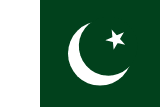
Pakistan – Facts, Capital & Geography | Random Country Generator
Capital
Islamabad
Population
230.0 Million (#5)
Currency
Pakistani Rupee (PKR)
Language
Urdu, English
Area
881,913 km²
National Dish
Nihari
National Flower
Jasmine
Density
287/km²
Internet TLD
.pk
Brief History
Pakistan's history dates back to the ancient Indus Valley Civilization, one of the world's oldest urban cultures, which flourished around 2500 BCE in regions like Mohenjo-daro and Harappa. Over subsequent millennia, the territory was influenced by Persian, Greek (Alexander the Great), Buddhist (Gandhara), and Islamic empires. The modern state of Pakistan was created on August 14, 1947, following the partition of British India, led by Quaid-e-Azam Muhammad Ali Jinnah. It became a republic in 1956 and has since grown into a pivotal South Asian nation.
Key Demographics & Capital
Pakistan features a diverse demographic profile with a population exceeding 240 million, making it the fifth most populous nation globally. The population is highly multi-ethnic, consisting of major groups such as Punjabis, Pashtuns, Sindhis, Saraikis, Muhajirs, and Balochis. Urdu is the national language and acts as a cultural bridge, while English serves as the official administrative language. Geographically, population density is highest along the fertile Indus River valley and in major metropolitan hubs like Karachi, Lahore, Faisalabad, and Islamabad.
Geography
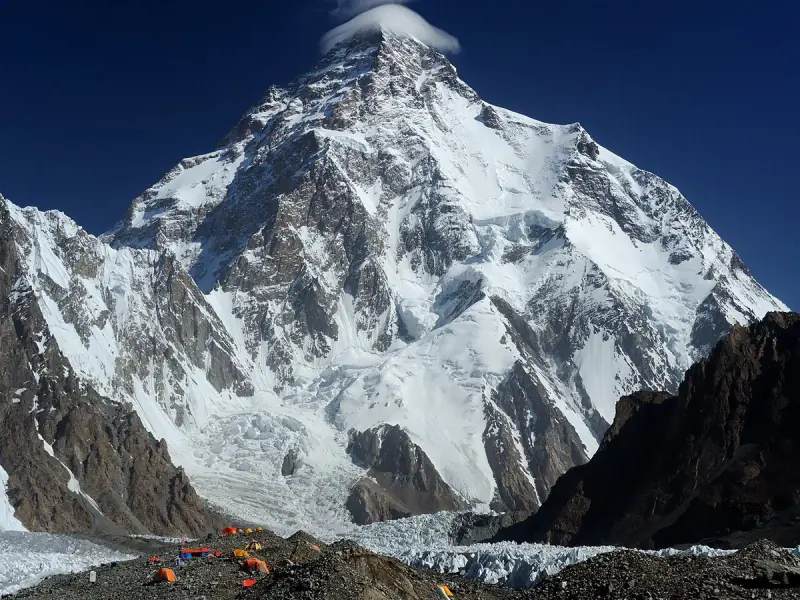
Pakistan features incredibly diverse geography: the Karakoram and Himalayan mountain ranges in the north (including K2), the Indus River valley, the Thar Desert, and the Arabian Sea coast. The country spans from glacial regions to subtropical lowlands. The Indus River is Pakistan's lifeline, supporting agriculture and civilization for millennia.
Culture & Tradition
Pakistani culture blends South Asian, Central Asian, and Middle Eastern influences. Urdu is the national language, with many regional languages. Pakistani cuisine features biryani, nihari, chapli kebab, and rich curries. Sufi music (qawwali, made famous by Nusrat Fateh Ali Khan), truck art, and traditional embroidery are distinctive cultural expressions. Hospitality is deeply valued.
Economy
Pakistan's economy includes agriculture (cotton, wheat, rice, sugarcane), textiles (the country is a major textile exporter), services, and manufacturing. Remittances from overseas Pakistanis are significant. The IT sector is growing rapidly. CPEC (China-Pakistan Economic Corridor) represents major infrastructure investment.
Travel Highlights
Trek to K2 base camp, drive the Karakoram Highway through breathtaking mountain passes, explore the ancient ruins of Mohenjo-daro, visit Lahore's Badshahi Mosque and Mughal-era Lahore Fort, and discover the fairy meadows near Nanga Parbat. Hunza Valley offers stunning landscapes, while Skardu and Swat Valley are emerging tourist destinations.
Fun Facts
Pakistan has the second-highest peak in the world, K2.
The Karakoram Highway is one of the highest paved roads in the world.
Pakistan has more glaciers than any country outside the polar regions.
Cricket is the most popular sport in Pakistan.
Mohenjo-daro, one of the world's earliest urban settlements, is in Pakistan.
Pakistan is the world's fifth most populous country.
Map
Bordering & Nearby Countries
Frequently Asked Questions (FAQs)
More from Asia
Want a surprise? Try our random Asia country generator or pick from the entire world.
Afghanistan
Discover Afghanistan: Hindu Kush mountains and ancient Silk Road heritage. Explore Bamiyan Valley, Herat's architecture, and Afghan culture.
Armenia
Explore Armenia: first Christian nation. Discover ancient monasteries, Lake Sevan, and Caucasus mountain heritage.
Azerbaijan
Explore Azerbaijan: Land of Fire. Discover Baku's Flame Towers, ancient walled city, mud volcanoes, and Caspian Sea heritage.

Bahrain
Explore Bahrain: ancient Dilmun heritage and modern Gulf culture. Discover pearl diving history, Formula One, and island archipelago charm.