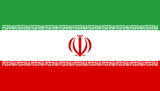
Iran – Facts, Capital & Geography | Random Country Generator
Capital
Tehran
Population
87.9 Million (#17)
Currency
Iranian Rial (IRR)
Language
Persian
Area
1,648,195 km²
National Dish
Chelow Kabab
National Flower
Red Rose
Density
52/km²
Internet TLD
.ir
Brief History
Iran (historically Persia) is home to one of the world's oldest continuous civilizations, with the Achaemenid Empire founded by Cyrus the Great in 550 BCE. Persia was conquered by Alexander the Great, Islamic caliphates, and Mongol hordes, later adopting Shia Islam under the Safavid dynasty in 1501. The Pahlavi dynasty's modernization ended with the Iranian Revolution of 1979, establishing a theocratic Islamic republic under Ayatollah Khomeini.
Key Demographics & Capital
Iran has a population of approximately 89 million, with Persians comprising about 61% of the total population, followed by Azeris (16%), Kurds (10%), and Lurs (6%). Persian (Farsi) is the sole official language. The population is highly urbanized, with over 76% residing in cities, and is characterized by a high literacy rate and a large, educated youth demographic.
Geography
Iran is a large country in Western Asia with diverse geography. The Iranian Plateau is surrounded by mountain ranges — the Zagros in the west and Alborz in the north (with Mount Damavand, the highest peak in the Middle East). The Dasht-e Kavir and Dasht-e Lut deserts cover much of the interior. The Caspian Sea coast in the north is lush and green.
Culture & Tradition
Persian culture is one of the world's most influential. Poetry (Rumi, Hafiz, Ferdowsi) is revered. Persian miniature painting, calligraphy, and carpet weaving are renowned arts. Iranian cinema has won international acclaim. The Nowruz (New Year) celebration dates back 3,000 years. Iranian cuisine features kebabs, rice dishes, and saffron-infused foods.
Economy
Iran has one of the largest economies in the Middle East. Oil and natural gas exports are the primary revenue source. Other sectors include automotive, agriculture (pistachios, saffron), mining, and petrochemicals. International sanctions have impacted the economy. Iran has a large, educated young population.
Travel Highlights
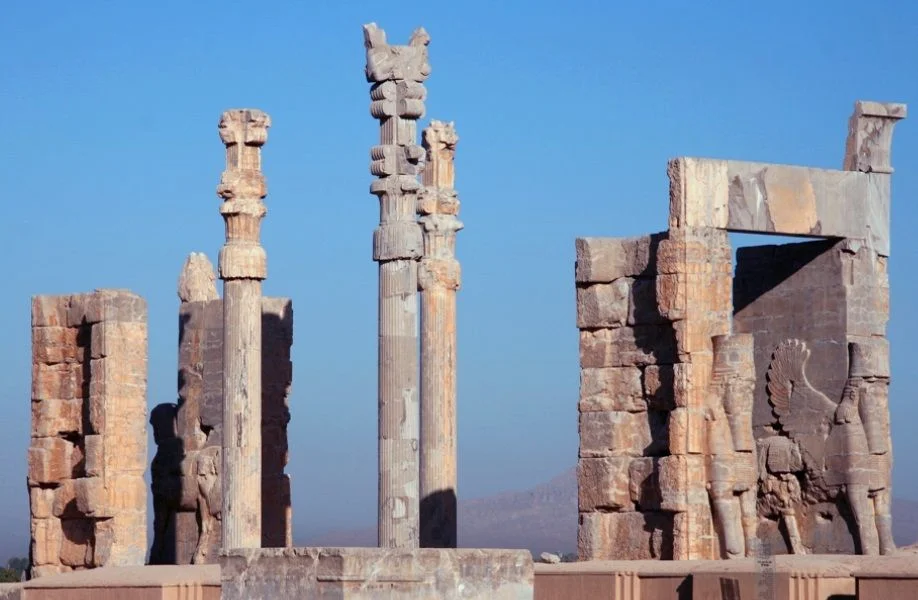
Explore the stunning Naqsh-e Jahan Square in Isfahan, visit the ancient ruins of Persepolis, wander through Shiraz's gardens and poetry, discover the wind towers of Yazd, explore Tehran's museums and bazaars, and experience the hospitality of Iranian people. Iran has extraordinary architectural and cultural heritage.
Fun Facts
Iran has one of the world's oldest continuous civilizations.
The Persian Empire was the largest empire in ancient history.
Iran has 27 UNESCO World Heritage Sites.
Persian carpets are considered among the finest in the world.
Iran is one of the world's largest producers of saffron.
The word 'paradise' comes from the Persian word 'pairidaeza.'
Map
Bordering & Nearby Countries
Frequently Asked Questions (FAQs)
More from Asia
Want a surprise? Try our random Asia country generator or pick from the entire world.
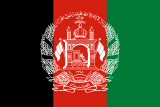
Afghanistan
Discover Afghanistan: Hindu Kush mountains and ancient Silk Road heritage. Explore Bamiyan Valley, Herat's architecture, and Afghan culture.
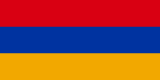
Armenia
Explore Armenia: first Christian nation. Discover ancient monasteries, Lake Sevan, and Caucasus mountain heritage.
Azerbaijan
Explore Azerbaijan: Land of Fire. Discover Baku's Flame Towers, ancient walled city, mud volcanoes, and Caspian Sea heritage.

Bahrain
Explore Bahrain: ancient Dilmun heritage and modern Gulf culture. Discover pearl diving history, Formula One, and island archipelago charm.