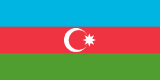
Azerbaijan – Facts, Capital & Geography | Random Country Generator
Capital
Baku
Population
10.1 Million (#93)
Currency
Azerbaijani Manat (AZN)
Language
Azerbaijani
Area
86,600 km²
National Dish
Plov
National Flower
Khary-Bülbül
Density
120/km²
Internet TLD
.az
Brief History
Azerbaijan was ruled by the Median and Achaemenid empires in antiquity, adopting Islam in the 7th century CE. It was divided between Russia and Persia under the Treaty of Turkmenchay in 1828, with the northern territory forming the basis of the modern nation. The Azerbaijan Democratic Republic declared independence in 1918, becoming the first democratic secular republic in the Muslim world, before being annexed by the Soviet Union in 1920. It regained sovereignty in 1991.
Key Demographics & Capital
Azerbaijan has a population of approximately 10.3 million, with ethnic Azerbaijani (Azeri) nationals comprising over 91% of the population. Azerbaijani, a Turkic language, is the official language, while Russian and English are widely used as second languages in urban areas. The population is divided almost equally between urban and rural areas, with the capital Baku hosting over 2.3 million residents on the Absheron Peninsula.
Geography
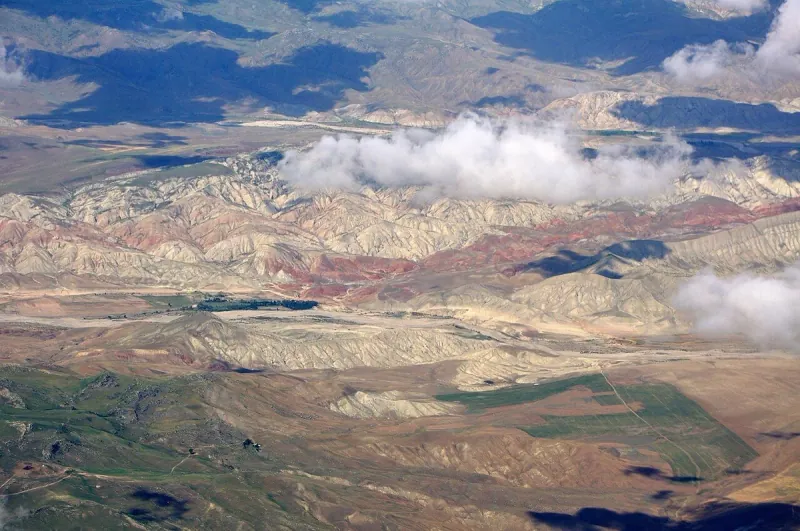
Azerbaijan is in the South Caucasus on the Caspian Sea coast. The landscape includes the Greater Caucasus mountains in the north, lowlands along the Caspian, and semi-arid steppe. The country has mud volcanoes and natural gas seeps. The Absheron Peninsula hosts Baku. The exclave of Nakhchivan is separated from the main territory.
Culture & Tradition
Azerbaijani culture blends Turkic, Persian, and Soviet influences. The Mugham music tradition is UNESCO-recognized. The Walled City of Baku (Icherisheher) reflects centuries of cultural layers. Azerbaijani cuisine features plov, kebabs, and black tea in pear-shaped glasses. Carpet weaving is a UNESCO-recognized art. Novruz (New Year) is the biggest celebration.
Economy
Azerbaijan's economy is driven by oil and gas from the Caspian Sea. The country has invested oil wealth in modern infrastructure and the Baku skyline. Agriculture (cotton, hazelnuts, tea) is important in rural areas. Tourism is growing rapidly. The country is building a transportation corridor connecting Asia and Europe.
Travel Highlights
Explore Baku's Flame Towers and futuristic skyline alongside the ancient Walled City (UNESCO), visit the burning mountainside of Yanar Dag, discover mud volcanoes, explore the rock carvings of Gobustan (UNESCO), attend the Baku F1 Grand Prix, and discover the mountain villages of the Caucasus. Baku is one of the most striking cities in the world.
Fun Facts
Azerbaijan is known as the 'Land of Fire.'
Baku hosted the first Formula One race in a city center.
Azerbaijan has mud volcanoes — about a third of the world's total.
Yanar Dag is a hillside that has been burning continuously for centuries.
The Flame Towers define Baku's modern skyline.
Azerbaijan was the first Muslim-majority country to grant women the right to vote.
Map
Bordering & Nearby Countries
Frequently Asked Questions (FAQs)
More from Asia
Want a surprise? Try our random Asia country generator or pick from the entire world.
Afghanistan
Discover Afghanistan: Hindu Kush mountains and ancient Silk Road heritage. Explore Bamiyan Valley, Herat's architecture, and Afghan culture.
Armenia
Explore Armenia: first Christian nation. Discover ancient monasteries, Lake Sevan, and Caucasus mountain heritage.

Bahrain
Explore Bahrain: ancient Dilmun heritage and modern Gulf culture. Discover pearl diving history, Formula One, and island archipelago charm.
Bangladesh
Discover Bangladesh: the Sundarbans, world's longest beach, and rich Bengali culture. Explore river delta landscapes and ancient heritage.