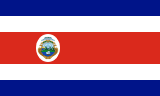
Costa Rica – Facts, Capital & Geography | Random Country Generator
Capital
San José
Population
5.2 Million (#120)
Currency
Costa Rican Colón (CRC)
Language
Spanish
Area
51,100 km²
National Dish
Gallo Pinto
National Flower
Purple Orchid
Density
98/km²
Internet TLD
.cr
Brief History
Costa Rica was inhabited by Mesoamerican and Chibcha indigenous groups before Spanish explorer Christopher Columbus arrived in 1502. It remained a peripheral Spanish colony due to its lack of gold, achieving independence in 1821. Following a brief civil war in 1948, President José Figueres Ferrer took the historic step of permanently abolishing the nation's military, establishing a highly stable social democracy focused on environmental conservation.
Key Demographics & Capital
Costa Rica has a population of approximately 5.2 million, with the vast majority identifying as being of European (Spanish) and Mestizo descent. Spanish is the official language, while English is widely spoken in tourist areas, and Mekatelyu (a Creole English dialect) is spoken on the Caribbean coast. The country has a significant Nicaraguan immigrant community, comprising about 8% of the population.
Geography
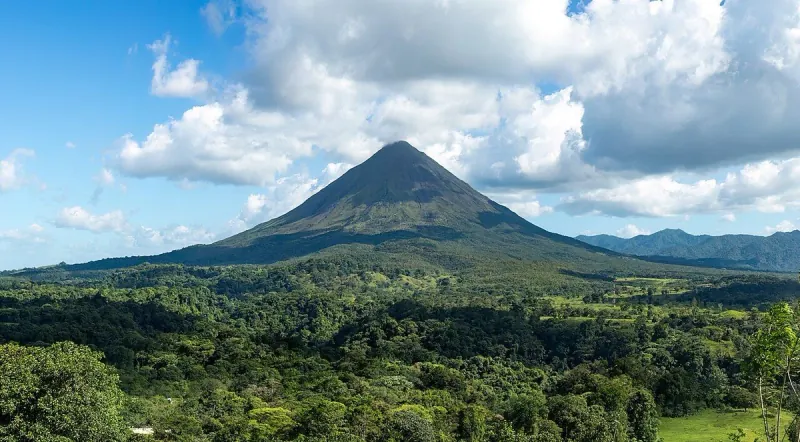
Costa Rica is a small Central American country bordered by the Caribbean Sea and Pacific Ocean. Despite its size, it has incredible geographical diversity: volcanic mountains, tropical rainforests, cloud forests, mangrove swamps, and beautiful beaches on both coasts. The country sits on the Ring of Fire with several active volcanoes including Arenal and Poás.
Culture & Tradition
Costa Rican culture embodies 'Pura Vida' — a philosophy of simple, happy living. The country values environmental conservation, education, and peace (no military since 1948). Coffee culture is central. Ticos (Costa Ricans) are known for their warm hospitality. Traditional music includes marimba. The ox cart (carreta) is a national symbol and folk art tradition.
Economy
Costa Rica has a stable, middle-income economy. Key sectors include tourism (eco-tourism), technology (Intel, Amazon), medical devices, agriculture (coffee, bananas, pineapples), and pharmaceuticals. The country leads Central America in foreign direct investment. Costa Rica is a global leader in renewable energy, generating nearly all electricity from clean sources.
Travel Highlights
Explore Monteverde Cloud Forest, hike Arenal Volcano, relax on the beaches of Manuel Antonio National Park, spot wildlife in Tortuguero (turtle nesting site), and surf in Tamarindo. Corcovado National Park on the Osa Peninsula is one of the most biodiverse places on Earth. Zip-lining, white-water rafting, and hot springs are popular activities.
Fun Facts
Costa Rica has no army — it was abolished in 1948.
About 25% of the country is protected national parkland.
Costa Rica produces about 5% of the world's biodiversity.
The national motto 'Pura Vida' means 'pure life'.
Costa Rica aims to be carbon-neutral.
Sloths are one of Costa Rica's most beloved animals.
Map
Bordering & Nearby Countries
Frequently Asked Questions (FAQs)
More from North America
Want a surprise? Try our random North America country generator or pick from the entire world.
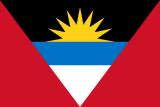
Antigua and Barbuda
Explore Antigua and Barbuda: 365 beaches in the Caribbean. Discover Nelson's Dockyard, pink sand, and world-class sailing.
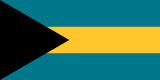
Bahamas
Explore the Bahamas: 700 islands of paradise. Discover swimming pigs, blue holes, Junkanoo culture, and the world's clearest waters.
Barbados
Explore Barbados: Little England in the Caribbean. Discover Crop Over festival, world's oldest rum, and stunning beaches.
Belize
Explore Belize: the Great Blue Hole and ancient Maya civilizations. Discover the barrier reef, jaguars, and Caribbean-Central American culture.