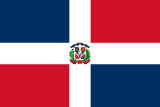
Dominican Republic – Facts, Capital & Geography | Random Country Generator
Capital
Santo Domingo
Population
11.0 Million (#85)
Currency
Dominican Peso (DOP)
Language
Spanish
Area
48,671 km²
National Dish
La Bandera
National Flower
Bayahibe Rose
Density
222/km²
Internet TLD
.do
Brief History
The Dominican Republic shares the island of Hispaniola, where Christopher Columbus established the first permanent European settlement in the Americas (Santo Domingo) in 1496. Spanish rule ended in 1821, followed by a period of Haitian occupation and final independence declared on February 27, 1844. The 20th century was marked by political instability and the brutal dictatorship of Rafael Trujillo, transitioning to a stable democracy in 1966.
Key Demographics & Capital
The Dominican Republic has a population of approximately 11.3 million, with a demographic profile consisting primarily of mixed-race individuals (Mestizo/Mulatto, about 73%), followed by White (16%) and Black (11%) communities. Spanish is the official language, spoken with a distinct Caribbean dialect. The population is highly urbanized (82%), concentrated in Santo Domingo and Santiago.
Geography
The Dominican Republic occupies the eastern two-thirds of Hispaniola island. The landscape is diverse: the Cordillera Central with Pico Duarte (3,098m, Caribbean's highest peak), tropical beaches, dry deserts, and lush river valleys. The country has both Atlantic and Caribbean coastlines with palm-fringed beaches.
Culture & Tradition
Dominican culture is vibrant and musical. Merengue and bachata both originated here and are central to social life. Baseball is practically a religion — the DR produces more MLB players than any country outside the US. Dominican cuisine features la bandera (flag meal: rice, beans, meat), mofongo, and tostones. Carnival celebrations are colorful.
Economy
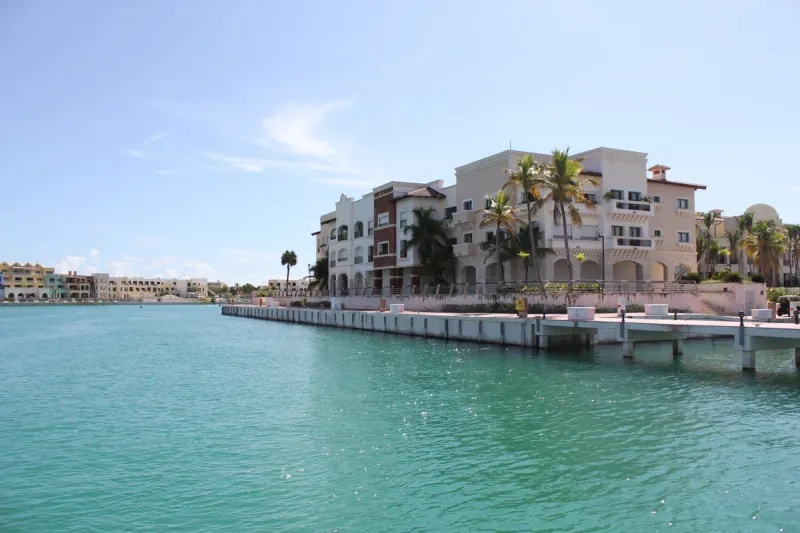
The Dominican Republic has the largest economy in Central America and the Caribbean. Tourism, free trade zones, mining (gold, silver), agriculture (sugar, tobacco, cocoa), and remittances drive the economy. Punta Cana is one of the Caribbean's top resort destinations. The country has experienced strong economic growth.
Travel Highlights
Relax on Punta Cana's pristine beaches, explore Santo Domingo's colonial zone (UNESCO) — the oldest European city in the Americas, hike Pico Duarte, visit the amber museum, whale watch in Samaná Bay, and experience merengue and bachata in local clubs. The DR offers diverse Caribbean experiences beyond the resort.
Fun Facts
Santo Domingo has the oldest European cathedral in the Americas.
The Dominican Republic shares the island of Hispaniola with Haiti.
Baseball is the national passion — many MLB players are Dominican.
The country has the highest point in the Caribbean (Pico Duarte).
Amber from the DR has been featured in the movie Jurassic Park.
Merengue and bachata music originated here.
Map
Bordering & Nearby Countries
Frequently Asked Questions (FAQs)
More from North America
Want a surprise? Try our random North America country generator or pick from the entire world.
Antigua and Barbuda
Explore Antigua and Barbuda: 365 beaches in the Caribbean. Discover Nelson's Dockyard, pink sand, and world-class sailing.
Bahamas
Explore the Bahamas: 700 islands of paradise. Discover swimming pigs, blue holes, Junkanoo culture, and the world's clearest waters.
Barbados
Explore Barbados: Little England in the Caribbean. Discover Crop Over festival, world's oldest rum, and stunning beaches.
Belize
Explore Belize: the Great Blue Hole and ancient Maya civilizations. Discover the barrier reef, jaguars, and Caribbean-Central American culture.