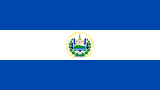
El Salvador – Facts, Capital & Geography | Random Country Generator
Capital
San Salvador
Population
6.3 Million (#110)
Currency
United States Dollar (USD)
Language
Spanish
Area
21,041 km²
National Dish
Pupusa
National Flower
Izote
Density
313/km²
Internet TLD
.sv
Brief History
El Salvador was inhabited by the Pipil people (descendants of the Aztecs) before Spanish conquistador Pedro de Alvarado conquered the region in 1525. It declared independence from Spain in 1821 as part of the Captaincy General of Guatemala, and later became a fully sovereign republic in 1841. The country suffered through a brutal civil war from 1979 to 1992 between the government and leftist FMLN guerrillas, ending with the Chapultepec Peace Accords.
Key Demographics & Capital
El Salvador has a population of approximately 6.3 million, presenting a highly homogeneous demographic profile with over 86% identifying as Mestizo, and less than 1% as indigenous. Spanish is the sole official language. El Salvador has experienced massive emigration, with over 1.5 million Salvadoreans currently residing in the United States, sending home remittances that account for nearly 20% of the country's GDP.
Geography
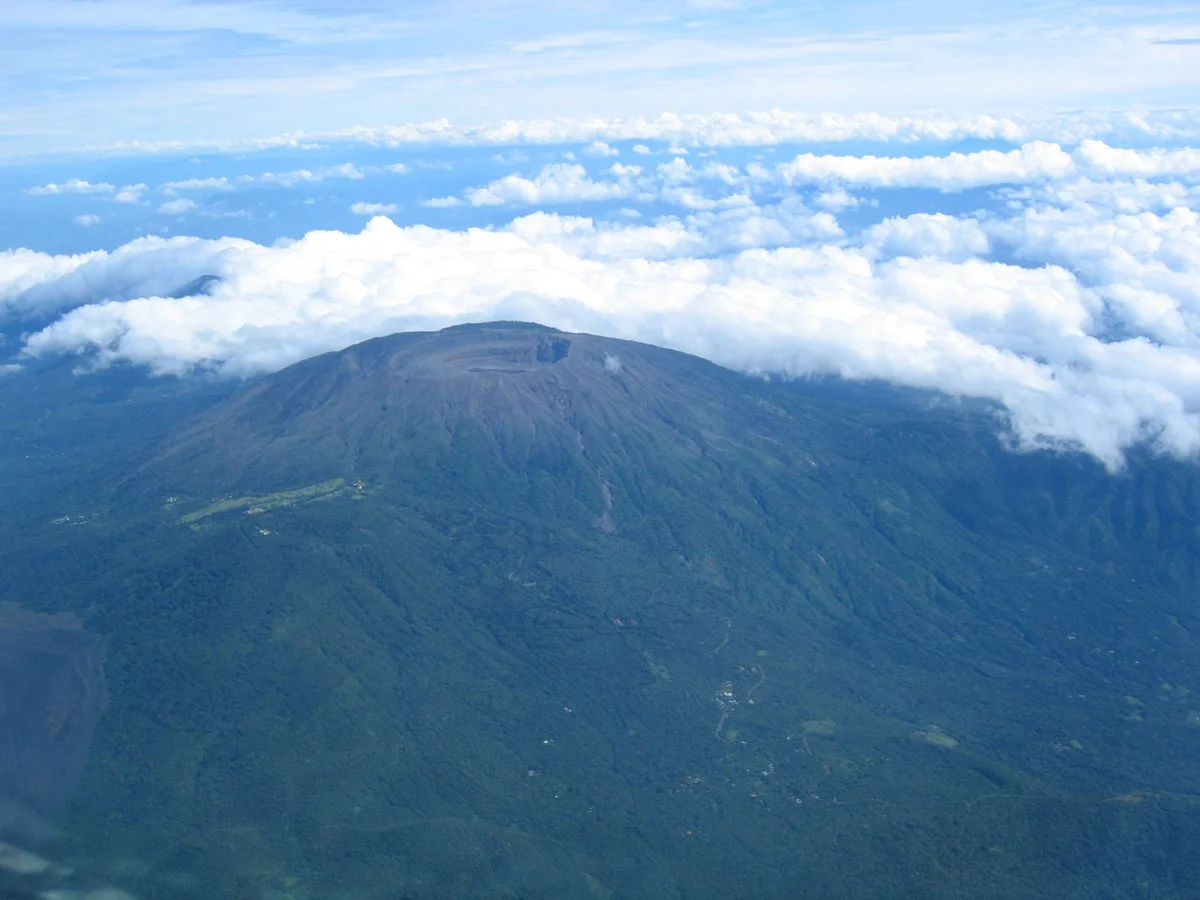
El Salvador is the smallest and most densely populated Central American country. The landscape is dominated by volcanoes (over 20, including several active ones), Pacific coastline, and highland lakes. Lake Ilopango and Lake Coatepeque are volcanic crater lakes. The Pacific coast has excellent surfing beaches.
Culture & Tradition
Salvadoran culture blends indigenous Pipil and Spanish colonial heritage. Pupusas (stuffed corn tortillas) are the beloved national dish. The painted village of Ataco and Route of Flowers showcase artisanal culture. Salvadoran coffee is world-renowned. Music includes cumbia and contemporary genres. The country has a growing surfing culture.
Economy
El Salvador's economy relies on remittances (from the large diaspora in the US), manufacturing, agriculture (coffee, sugar), and services. The country adopted Bitcoin as legal tender in 2021 alongside the US dollar. The textile and maquila industries are important employers. Tourism is growing, especially surf tourism.
Travel Highlights
Surf the world-class waves at El Tunco and Punta Roca, explore the Joya de Cerén archaeological site ('Pompeii of the Americas', UNESCO), hike volcanoes around Lake Coatepeque, discover the Ruta de las Flores (Flower Route) with its colonial villages, and eat pupusas everywhere. El Salvador offers authentic Central American experiences.
Fun Facts
El Salvador is the smallest country in Central America.
The country has over 20 volcanoes.
El Salvador was the first country to adopt Bitcoin as legal tender.
Pupusas are the beloved national dish.
El Salvador is called the 'Land of Volcanoes.'
The country uses the US dollar as its currency.
Map
Bordering & Nearby Countries
Frequently Asked Questions (FAQs)
More from North America
Want a surprise? Try our random North America country generator or pick from the entire world.
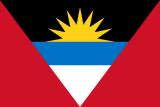
Antigua and Barbuda
Explore Antigua and Barbuda: 365 beaches in the Caribbean. Discover Nelson's Dockyard, pink sand, and world-class sailing.
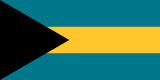
Bahamas
Explore the Bahamas: 700 islands of paradise. Discover swimming pigs, blue holes, Junkanoo culture, and the world's clearest waters.
Barbados
Explore Barbados: Little England in the Caribbean. Discover Crop Over festival, world's oldest rum, and stunning beaches.
Belize
Explore Belize: the Great Blue Hole and ancient Maya civilizations. Discover the barrier reef, jaguars, and Caribbean-Central American culture.