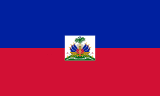
Haiti – Facts, Capital & Geography | Random Country Generator
Capital
Port-au-Prince
Population
11.7 Million (#81)
Currency
Haitian Gourde (HTG)
Language
French, Haitian Creole
Area
27,750 km²
National Dish
Griot
National Flower
None official
Density
415/km²
Internet TLD
.ht
Brief History
Haiti was colonized by Spain as Hispaniola and later by France as Saint-Domingue, becoming the world's wealthiest sugar colony reliant on brutal slavery. In 1791, Toussaint Louverture led the Haitian Revolution, culminating in the world's first successful slave rebellion and independence declared on January 1, 1804. The country has since suffered political instability, foreign occupations, and devastating natural disasters, including the 2010 earthquake.
Key Demographics & Capital
Haiti has a population of approximately 11.5 million, with over 95% of the population identifying as being of African descent, reflecting historical slave imports. French and Haitian Creole are the two official languages, with Haitian Creole being universally spoken by the entire population. The country has a very young demographic profile and experiences high rates of emigration to the US and Canada.
Geography
Haiti occupies the western third of Hispaniola island in the Caribbean. The terrain is predominantly mountainous with coastal plains and valleys. Pine forests cover the higher elevations. The country has a tropical climate with periodic hurricanes. Deforestation has significantly altered the landscape.
Culture & Tradition
Haitian culture is unique and powerful. Vodou (Voodoo) is a living spiritual tradition blending West African religions with Catholicism. Haitian art — vibrant paintings and metalwork — is internationally celebrated. Compas music is the national sound. Haitian Creole is the universal language. The revolution of 1804 is a source of deep national pride.
Economy
Haiti is the poorest country in the Western Hemisphere. The economy relies on agriculture, textiles, remittances, and foreign aid. Mango, cocoa, and coffee are agricultural exports. The garment industry provides employment. Political instability, natural disasters, and structural challenges have hindered development.
Travel Highlights
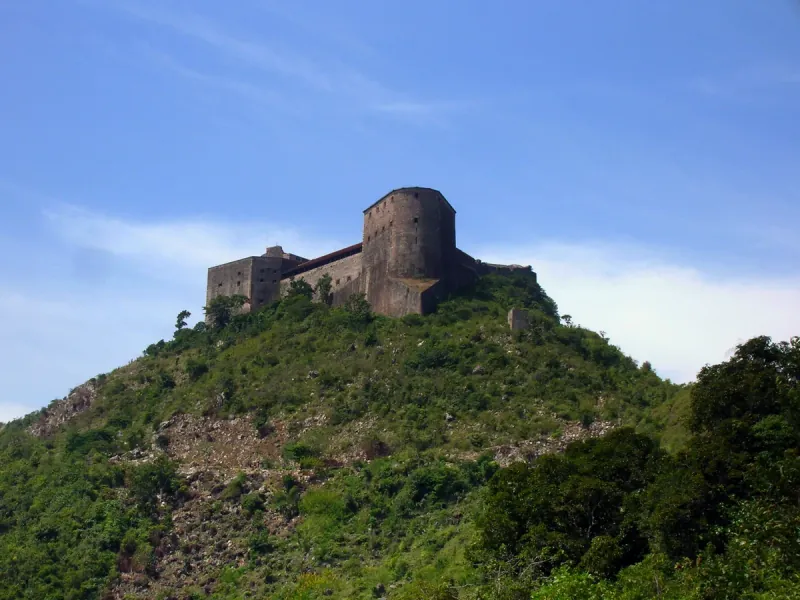
Visit the Citadelle Laferrière fortress (UNESCO), explore the Sans-Souci Palace ruins, discover Jacmel's colorful colonial architecture, relax on the beaches of Île-à-Vache, experience Haitian art galleries, and learn about Vodou culture. Haiti offers powerful historical and cultural experiences for adventurous travelers.
Fun Facts
Haiti was the first independent Black republic in the world (1804).
Haiti is the only nation born from a successful slave revolt.
Haitian Vodou is a recognized religion blending African and Catholic elements.
The Citadelle Laferrière is the largest fortress in the Americas.
Haitian art is vibrant and internationally collected.
Haitian Creole is spoken by all Haitians alongside French.
Map
Bordering & Nearby Countries
Frequently Asked Questions (FAQs)
More from North America
Want a surprise? Try our random North America country generator or pick from the entire world.
Antigua and Barbuda
Explore Antigua and Barbuda: 365 beaches in the Caribbean. Discover Nelson's Dockyard, pink sand, and world-class sailing.
Bahamas
Explore the Bahamas: 700 islands of paradise. Discover swimming pigs, blue holes, Junkanoo culture, and the world's clearest waters.
Barbados
Explore Barbados: Little England in the Caribbean. Discover Crop Over festival, world's oldest rum, and stunning beaches.
Belize
Explore Belize: the Great Blue Hole and ancient Maya civilizations. Discover the barrier reef, jaguars, and Caribbean-Central American culture.