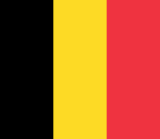
Belgium – Facts, Capital & Geography | Random Country Generator
Capital
Brussels
Population
11.7 Million (#80)
Currency
Euro (EUR)
Language
Dutch, French, German
Area
30,528 km²
National Dish
Moules-Frites
National Flower
Red Poppy
Density
383/km²
Internet TLD
.be
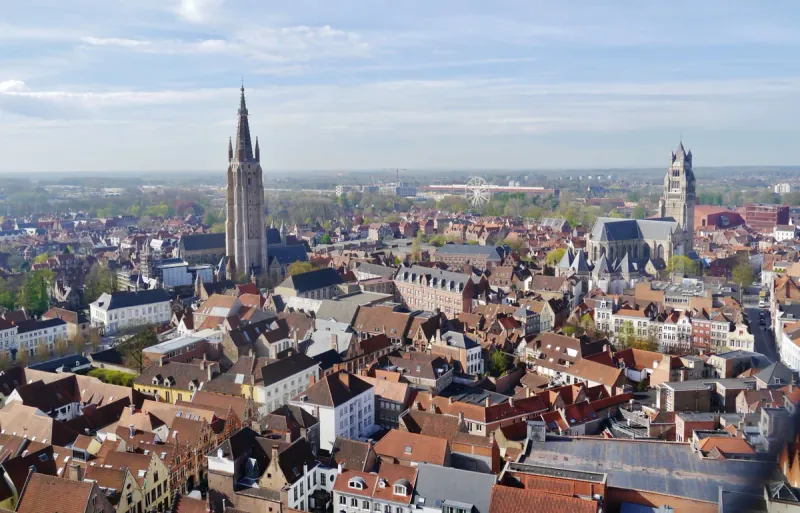
Brief History
Belgium was inhabited by the Belgae Celtic tribes before Roman conquest, later becoming part of Charlemagne's empire and the Spanish and Austrian Netherlands. Following the Belgian Revolution of 1830, it declared independence from the Kingdom of the Netherlands, establishing a constitutional monarchy under Leopold I. Due to its strategic position, Belgium was invaded by Germany in both world wars, and subsequently became a founding member of the EU and NATO.
Key Demographics & Capital
Belgium has a population of approximately 11.7 million, divided into two distinct linguistic communities: Dutch-speaking Flemings in the north (Flanders, about 60% of the population) and French-speaking Walloons in the south (Wallonia, about 40%). Brussels is officially bilingual, and there is a small German-speaking minority. The population is highly urbanized (nearly 98%), making it one of the most densely populated nations in Europe.
Geography
Belgium is a small country in Western Europe. The landscape transitions from coastal lowlands and plains in the northwest to the forested hills of the Ardennes in the southeast. The Meuse and Scheldt rivers are major waterways. Despite its small size, Belgium has a diverse geography and high population density.
Culture & Tradition
Belgian culture is renowned for chocolate, beer, waffles, and comics (Tintin, the Smurfs). The country is divided into Dutch-speaking Flanders, French-speaking Wallonia, and a small German-speaking community. Art Nouveau architecture, Flemish masters (Rubens, Van Eyck, Bruegel), and surrealism (Magritte) are cultural highlights. Carnival celebrations are vibrant.
Economy
Belgium has a modern, open economy that is highly dependent on international trade. Key sectors include chemicals, pharmaceuticals, automotive assembly, food processing, and diamond trading (Antwerp). Brussels hosts EU institutions, NATO, and many international organizations. The port of Antwerp is Europe's second-largest.
Travel Highlights
Explore Brussels' Grand Place (UNESCO), indulge in Belgian chocolate and beer, discover Bruges' medieval canals (UNESCO), visit the Battlefields of Flanders, admire Ghent's stunning architecture, explore Antwerp's diamond district and fashion scene, and hike in the Ardennes. Belgium packs enormous cultural richness into a small area.
Fun Facts
Belgium has over 1,500 varieties of beer.
Belgian chocolate production exceeds 220,000 tons per year.
Brussels is the de facto capital of the European Union.
Belgium has three official languages: Dutch, French, and German.
The Belgian waffle comes in two varieties: Brussels and Liège.
Belgium has the highest density of roads and railways in Europe.
Map
Bordering & Nearby Countries
Frequently Asked Questions (FAQs)
More from Europe
Want a surprise? Try our random Europe country generator or pick from the entire world.
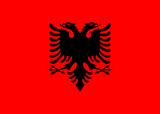
Albania
Explore Albania: Europe's last hidden gem. Discover pristine beaches, ancient cities, and dramatic Albanian Alps.
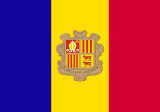
Andorra
Explore Andorra: tiny mountain principality in the Pyrenees. Discover skiing, duty-free shopping, and Romanesque heritage.
Austria
Explore Austria: land of Mozart, Alpine peaks, and Viennese culture. Discover Salzburg, ski resorts, and Habsburg heritage.
Belarus
Explore Belarus: Europe's last primeval forest and medieval castles. Discover Belovezhskaya Pushcha, Mir Castle, and Slavic heritage.