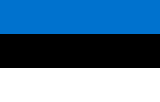
Estonia – Facts, Capital & Geography | Random Country Generator
Capital
Tallinn
Population
1.3 Million (#153)
Currency
Euro (EUR)
Language
Estonian
Area
45,228 km²
National Dish
Verivorst
National Flower
Cornflower
Density
30/km²
Internet TLD
.ee
Brief History
Estonia was ruled by Danish, German, Swedish, and Russian empires over the centuries before declaring independence in 1918 following the collapse of the Russian Empire. It was forcibly incorporated into the Soviet Union in 1940, undergoing decades of Soviet occupation interrupted by Nazi occupation during WWII. Estonia restored its independence on August 20, 1991, during the Singing Revolution, and has since developed into a highly advanced digital society.
Key Demographics & Capital
Estonia has a population of approximately 1.3 million, with ethnic Estonians comprising over 69% of the population, followed by a significant Russian minority (about 22%). Estonian, a Finno-Ugric language, is the sole official language. The country is highly urbanized, with over 69% of residents living in cities, and is known for its high digital literacy, with nearly 99% of government services accessible online.
Geography
Estonia is the northernmost of the Baltic States, bordering the Baltic Sea and Gulf of Finland. The landscape is flat and low-lying with extensive forests, bogs, and over 2,000 islands. Lake Peipus on the Russian border is one of Europe's largest lakes. The coastline is indented with numerous bays and inlets.
Culture & Tradition
Estonian culture blends Nordic and Baltic influences. The Song Festival (Laulupidu), held every five years, is a UNESCO-recognized tradition that played a key role in independence ('Singing Revolution'). Estonia is the world's most digitally advanced society. Traditional crafts include knitting, woodwork, and sauna culture. Estonian cuisine features black bread, smoked fish, and berry desserts.
Economy
Estonia has transformed into a digital powerhouse since independence. Skype originated here. E-governance, cybersecurity, and startups drive the economy. IT services, electronics, wood products, and food processing are key sectors. The country offers e-residency for digital entrepreneurs worldwide. Tourism to Tallinn is significant.
Travel Highlights
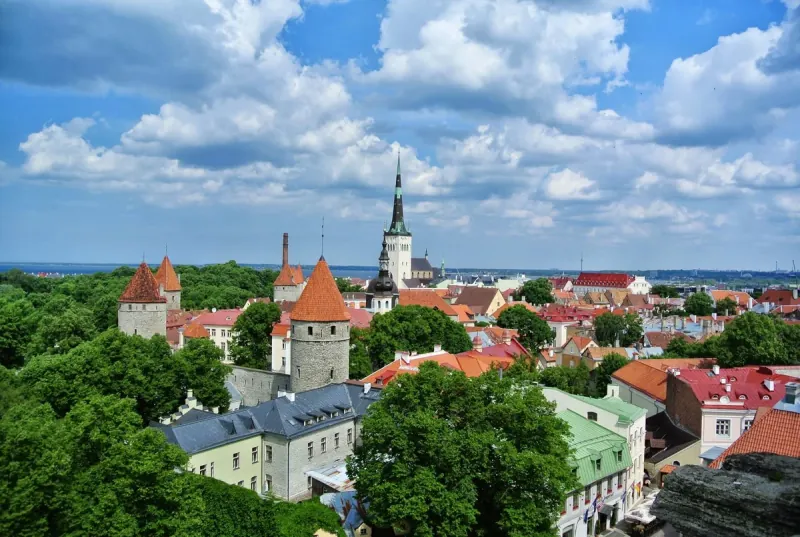
Walk through Tallinn's beautifully preserved medieval Old Town (UNESCO), explore the wild islands of Saaremaa and Hiiumaa, visit the Lahemaa National Park, experience Estonian sauna culture, discover the bohemian Telliskivi Creative City, and explore the coastal villages. Estonia offers digital innovation within a medieval setting.
Fun Facts
Estonia is the most digitally advanced society in the world.
Skype was created in Estonia.
Estonia has more saunas than cars.
Tallinn's Old Town is one of the best-preserved medieval cities in Europe.
Estonia was the first country to offer e-residency.
The country is home to over 2,000 islands.
Map
Bordering & Nearby Countries
Frequently Asked Questions (FAQs)
More from Europe
Want a surprise? Try our random Europe country generator or pick from the entire world.
Albania
Explore Albania: Europe's last hidden gem. Discover pristine beaches, ancient cities, and dramatic Albanian Alps.
Andorra
Explore Andorra: tiny mountain principality in the Pyrenees. Discover skiing, duty-free shopping, and Romanesque heritage.
Austria
Explore Austria: land of Mozart, Alpine peaks, and Viennese culture. Discover Salzburg, ski resorts, and Habsburg heritage.
Belarus
Explore Belarus: Europe's last primeval forest and medieval castles. Discover Belovezhskaya Pushcha, Mir Castle, and Slavic heritage.