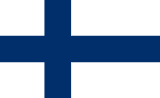
Finland – Facts, Capital & Geography | Random Country Generator
Capital
Helsinki
Population
5.5 Million (#117)
Currency
Euro (EUR)
Language
Finnish, Swedish
Area
338,145 km²
National Dish
Karjalanpiirakka
National Flower
Lily of the Valley
Density
18/km²
Internet TLD
.fi
Brief History
Finland was part of the Kingdom of Sweden from the 12th century until 1809, when it was ceded to the Russian Empire as the autonomous Grand Duchy of Finland. Following the Russian Revolution, Finland declared independence on December 6, 1917. It successfully defended its sovereignty against Soviet invasions during the Winter War and Continuation War of WWII, maintaining a democratic system while pursuing a policy of military non-alignment.
Key Demographics & Capital
Finland has a population of approximately 5.6 million, with Finnish (spoken by 87%) and Swedish (spoken by 5.2%) serving as the official languages. The country has a tiny indigenous Sami minority in Lapland. The population is highly urbanized (85%), clustered in the southern coastal region, particularly around the Helsinki metropolitan area, which is known for its high-quality public education system.
Geography
Finland is a Nordic country in Northern Europe. The landscape features vast forests covering about 73% of the country, over 188,000 lakes, and thousands of islands in the Baltic Sea. Finnish Lapland in the north extends above the Arctic Circle. The terrain is predominantly flat with gentle hills. Finland has some of Europe's cleanest air and water.
Culture & Tradition
Finnish culture values silence, nature, and sauna. The sauna is a sacred institution — nearly every home has one. Design (Marimekko, Iittala, Aalto) is a national strength. The concept of 'sisu' (resilience/grit) defines the Finnish character. Heavy metal music thrives alongside classical (Sibelius). Finnish cuisine features rye bread, salmon, reindeer, and berries.
Economy
Finland has a highly industrialized mixed economy. Key sectors include technology (Nokia's legacy), forestry and paper, machinery, and chemicals. The education system is world-renowned. Finland is a leader in innovation and clean technology. Tourism, especially Lapland tourism, is growing. Game development (Supercell, Rovio) is a notable sector.
Travel Highlights
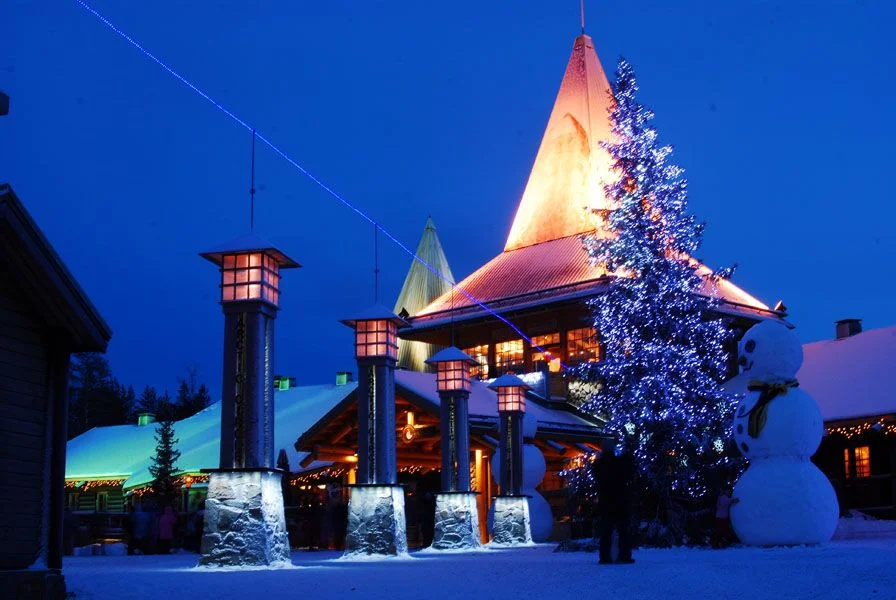
See the Northern Lights and meet Santa in Lapland, experience traditional Finnish sauna, explore the lakeland region, visit Helsinki's design district and fortress island Suomenlinna (UNESCO), stay in a glass igloo under the aurora, and discover the Åland Islands. Finland offers pristine nature and unique cultural experiences.
Fun Facts
Finland has over 3 million saunas for 5.5 million people.
Finland is called the 'Land of a Thousand Lakes' (actually 188,000).
Santa Claus officially lives in Rovaniemi, Finnish Lapland.
Finland consistently ranks as the world's happiest country.
Finland has the most heavy metal bands per capita.
The Northern Lights are visible about 200 nights a year in Lapland.
Map
Bordering & Nearby Countries
Frequently Asked Questions (FAQs)
More from Europe
Want a surprise? Try our random Europe country generator or pick from the entire world.
Albania
Explore Albania: Europe's last hidden gem. Discover pristine beaches, ancient cities, and dramatic Albanian Alps.
Andorra
Explore Andorra: tiny mountain principality in the Pyrenees. Discover skiing, duty-free shopping, and Romanesque heritage.
Austria
Explore Austria: land of Mozart, Alpine peaks, and Viennese culture. Discover Salzburg, ski resorts, and Habsburg heritage.
Belarus
Explore Belarus: Europe's last primeval forest and medieval castles. Discover Belovezhskaya Pushcha, Mir Castle, and Slavic heritage.