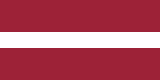
Latvia – Facts, Capital & Geography | Random Country Generator
Capital
Riga
Population
1.8 Million (#146)
Currency
Euro (EUR)
Language
Latvian
Area
64,589 km²
National Dish
Grey Peas with Bacon
National Flower
Daisy
Density
30/km²
Internet TLD
.lv
Brief History
Latvia was ruled by German crusaders, Poland, Sweden, and the Russian Empire before declaring independence in 1918. Forcibly annexed by the Soviet Union in 1940 and occupied by Nazi Germany during WWII, Latvia endured decades of Soviet rule before restoring its independence on August 21, 1991, during the Singing Revolution. It has since integrated into the EU and NATO.
Key Demographics & Capital
Latvia has a population of approximately 1.8 million, which has declined by over 30% since 1990 due to low birth rates and significant emigration to Western Europe. Ethnic Latvians comprise over 62% of the population, followed by a large Russian minority (about 24%). Latvian, a Baltic language, is the sole official language. Over 68% of the population lives in cities.
Geography
Latvia is a Baltic state in Northern Europe with a coastline on the Baltic Sea. The landscape is predominantly flat with gentle hills, extensive forests covering about 50% of the country, and numerous rivers and lakes. The Gauja River valley is the most scenic area. The coastline features sandy beaches and dunes.
Culture & Tradition
Latvian culture is deeply connected to nature and folk traditions. The Song and Dance Festival, held every five years, is one of Europe's largest choral events. Traditional crafts include amber jewelry, linen weaving, and woodwork. Latvian cuisine features grey peas with bacon, pirāgi (pastries), and rye bread. Midsummer (Jāņi) is the most celebrated festival.
Economy
Latvia has a service-oriented economy with growing IT, logistics, and financial services sectors. Riga is a major Baltic transport hub. Wood products, food processing, and manufacturing are important. The country has attracted investment in fintech and shared services centers. Tourism to Riga is growing.
Travel Highlights
Explore Riga's stunning Art Nouveau district and medieval Old Town (UNESCO), hike through Gauja National Park, visit the Rundāle Palace (Latvia's Versailles), relax on Jūrmala's sandy beaches, discover the medieval castle ruins of Sigulda, and experience a traditional Latvian sauna ritual.
Fun Facts
Riga has the largest collection of Art Nouveau architecture in the world.
Latvia's national sport is ice hockey.
The Latvian Song and Dance Festival gathers over 40,000 performers.
Latvia is one of the least densely populated EU countries.
About half of Latvia is covered in forest.
The Latvian flag is one of the oldest in the world.
Map
Bordering & Nearby Countries
Frequently Asked Questions (FAQs)
More from Europe
Want a surprise? Try our random Europe country generator or pick from the entire world.
Albania
Explore Albania: Europe's last hidden gem. Discover pristine beaches, ancient cities, and dramatic Albanian Alps.
Andorra
Explore Andorra: tiny mountain principality in the Pyrenees. Discover skiing, duty-free shopping, and Romanesque heritage.
Austria
Explore Austria: land of Mozart, Alpine peaks, and Viennese culture. Discover Salzburg, ski resorts, and Habsburg heritage.
Belarus
Explore Belarus: Europe's last primeval forest and medieval castles. Discover Belovezhskaya Pushcha, Mir Castle, and Slavic heritage.