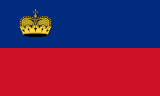
Liechtenstein – Facts, Capital & Geography | Random Country Generator
Capital
Vaduz
Population
39K (#189)
Currency
Swiss Franc (CHF)
Language
German
Area
160 km²
National Dish
Käsknöpfle
National Flower
None official
Density
236/km²
Internet TLD
.li
Brief History
Liechtenstein was formed in 1719 when the Prince of Liechtenstein purchased the lands of Schellenberg and Vaduz to secure a seat in the Holy Roman Empire. It achieved independence in 1806, entering a customs union with Austria in 1852, and later with Switzerland in 1923 after the collapse of the Habsburg Monarchy. Liechtenstein developed from a poor agrarian state into a wealthy financial center.
Key Demographics & Capital
Liechtenstein has a population of approximately 39,000 residents, with foreign nationals (mainly Swiss, Austrian, and German) comprising about 34% of the population. German is the official national language, and Alemannic German is the spoken dialect. The population is predominantly rural, concentrated in small alpine municipalities like Vaduz and Schaan.
Geography
Liechtenstein is a tiny Alpine principality between Switzerland and Austria. The Rhine River forms the western border. The landscape rises from the Rhine valley floor to Alpine peaks over 2,500 meters. Despite its small size (160 sq km), the country has varied terrain from valley floors to mountain slopes.
Culture & Tradition
Liechtenstein's culture blends Austrian and Swiss German influences. The ruling Prince of Liechtenstein resides in Vaduz Castle overlooking the capital. Traditional Alpine festivals, including Funken (bonfire night), are celebrated. The country has an impressive art collection at the Kunstmuseum. Mountain traditions including skiing and hiking are central to lifestyle.
Economy
Despite its tiny size, Liechtenstein has one of the highest GDPs per capita in the world. Key sectors include financial services, manufacturing (dental products, electronics), and stamps (philatelic sales). The country has no public debt and one of the lowest tax rates in Europe. More companies are registered here than citizens.
Travel Highlights
Visit Vaduz Castle (exterior), explore the Kunstmuseum Liechtenstein, hike the Liechtenstein Trail (75 km across the country), ski in Malbun, tour the stamps museum, and explore the Rhine valley vineyards. Liechtenstein is often combined with Swiss and Austrian itineraries.
Fun Facts
Liechtenstein is the sixth-smallest country in the world.
It is the only country entirely within the Alps.
Liechtenstein has more registered companies than citizens.
The country has no airport or railway station.
Vaduz Castle is home to the princely family.
Liechtenstein is one of only two doubly landlocked countries.
Map
Bordering & Nearby Countries
Frequently Asked Questions (FAQs)
More from Europe
Want a surprise? Try our random Europe country generator or pick from the entire world.
Albania
Explore Albania: Europe's last hidden gem. Discover pristine beaches, ancient cities, and dramatic Albanian Alps.
Andorra
Explore Andorra: tiny mountain principality in the Pyrenees. Discover skiing, duty-free shopping, and Romanesque heritage.
Austria
Explore Austria: land of Mozart, Alpine peaks, and Viennese culture. Discover Salzburg, ski resorts, and Habsburg heritage.
Belarus
Explore Belarus: Europe's last primeval forest and medieval castles. Discover Belovezhskaya Pushcha, Mir Castle, and Slavic heritage.