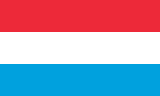
Luxembourg – Facts, Capital & Geography | Random Country Generator
Capital
Luxembourg City
Population
660K (#162)
Currency
Euro (EUR)
Language
Luxembourgish, French, German
Area
2,586 km²
National Dish
Judd mat Gaardebounen
National Flower
Rose
Density
243/km²
Internet TLD
.lu
Brief History
Luxembourg emerged as a county in 963 CE, later elevated to a duchy and contested by Burgundy, Spain, France, and Austria. The Treaty of London in 1867 declared Luxembourg as a neutral, independent grand duchy. Invaded by Germany in both world wars, it abandoned its neutrality in 1948, becoming a founding member of the EU and developing a wealthy financial services economy.
Key Demographics & Capital
Luxembourg has a population of approximately 660,000, with foreign nationals (primarily Portuguese and French) comprising over 47% of the total population. Luxembourgish, French, and German are the three official languages, with Luxembourgish used in daily life. The country has a wealthy, cosmopolitan population concentrated in Luxembourg City.
Geography
Luxembourg is a tiny landlocked country in Western Europe. The landscape features the forested Ardennes plateau in the north (Oesling) and the fertile lowlands in the south (Gutland). The Alzette River flows through Luxembourg City, creating dramatic gorges. Despite its size, the country has varied terrain and picturesque villages.
Culture & Tradition
Luxembourg's culture reflects its position at the crossroads of Germanic and French cultures. The country is trilingual (Luxembourgish, French, German). The Schueberfouer fair is a centuries-old tradition. Luxembourgish cuisine blends French refinement with German heartiness. The country has a vibrant arts and music scene and strong wine-making tradition in the Moselle valley.
Economy
Luxembourg has the highest GDP per capita in the world. The economy is dominated by the financial sector (banking, investment funds, insurance). Steel production (ArcelorMittal headquarters) was historically important. EU institutions are major employers. The country is also a hub for satellite operations (SES) and technology.
Travel Highlights
Explore Luxembourg City's UNESCO-listed old quarters and casemates, hike through the Mullerthal region ('Little Switzerland'), tour the Moselle Valley vineyards, visit Vianden Castle, discover the mining region's industrial heritage, and explore the Ardennes. Luxembourg offers sophisticated European culture in a compact, walkable setting.
Fun Facts
Luxembourg has the highest GDP per capita in the world.
The country has three official languages: Luxembourgish, French, and German.
Luxembourg City's old quarters are a UNESCO World Heritage Site.
More than 47% of Luxembourg's population are foreign nationals.
The country is smaller than Rhode Island.
Luxembourg is a founding member of the EU, NATO, and the United Nations.
Map
Bordering & Nearby Countries
Frequently Asked Questions (FAQs)
More from Europe
Want a surprise? Try our random Europe country generator or pick from the entire world.
Albania
Explore Albania: Europe's last hidden gem. Discover pristine beaches, ancient cities, and dramatic Albanian Alps.
Andorra
Explore Andorra: tiny mountain principality in the Pyrenees. Discover skiing, duty-free shopping, and Romanesque heritage.
Austria
Explore Austria: land of Mozart, Alpine peaks, and Viennese culture. Discover Salzburg, ski resorts, and Habsburg heritage.
Belarus
Explore Belarus: Europe's last primeval forest and medieval castles. Discover Belovezhskaya Pushcha, Mir Castle, and Slavic heritage.