Malta – Facts, Capital & Geography | Random Country Generator
Capital
Valletta
Population
520K (#167)
Currency
Euro (EUR)
Language
Maltese, English
Area
316 km²
National Dish
Stuffat tal-Fenek
National Flower
Maltese Centaury
Density
1,390/km²
Internet TLD
.mt
Brief History
Malta's strategic Mediterranean harbor attracted Phoenicians, Romans, Byzantines, Arabs, Normans, and the Knights of St. John, who successfully defended the island against the Ottomans in the Great Siege of 1565. Napoleon captured Malta in 1798, leading to British administration under the 1814 Treaty of Paris. Malta played a critical role in WWII, achieving independence on September 21, 1964, and becoming a republic in 1974.
Key Demographics & Capital
Malta has a population of approximately 530,000, making it one of the most densely populated countries in the world with over 1,600 people per square kilometer. Maltese (a Semitic language written in the Latin alphabet) and English are the official languages. The population has seen increasing immigrant diversity in recent years (about 20% foreign-born). Around 95% of the population lives in urban areas.
Geography
Malta is a small archipelago in the central Mediterranean Sea. The three inhabited islands — Malta, Gozo, and Comino — feature limestone plateaus, rocky coastlines, and sheltered harbors. The Blue Lagoon at Comino is famous for crystal-clear waters. The islands have a Mediterranean climate with hot, dry summers.
Culture & Tradition
Maltese culture is a fascinating blend of Mediterranean influences. The Knights of St. John left an extraordinary architectural legacy. Maltese cuisine features rabbit stew (fenkata), pastizzi (filled pastries), and fresh seafood. Village festas (saints' festivals) with fireworks are celebrated throughout summer. The Maltese language uniquely blends Arabic, Italian, and English.
Economy
Malta has diversified from a military and port economy to services, particularly online gaming, financial services, tourism, and film production. The country has become a hub for iGaming companies. Tourism is a major economic pillar. Malta's strategic Mediterranean location has always been an economic asset.
Travel Highlights
Explore Valletta's Baroque architecture and Grand Master's Palace, visit the ancient Ħaġar Qim temples (older than the Pyramids), swim in Comino's Blue Lagoon, discover Mdina's 'Silent City,' dive in crystal-clear Mediterranean waters, and explore Gozo's rural charm. Malta packs thousands of years of history into tiny islands.
Fun Facts
Malta has some of the oldest free-standing structures in the world (older than Stonehenge).
Valletta is the smallest EU capital city.
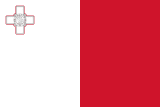
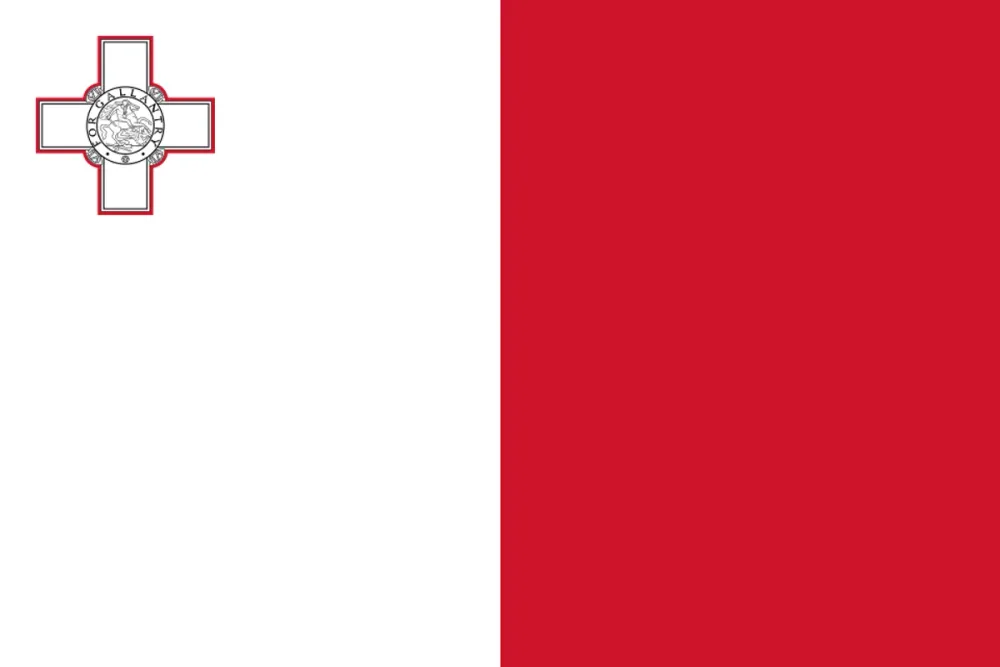
Malta was awarded the George Cross for bravery during WWII.
The Maltese language is the only Semitic language written in Latin script.
Game of Thrones was filmed in Malta.
Malta has been ruled by Phoenicians, Romans, Arabs, Knights of St. John, French, and British.
Map
Bordering & Nearby Countries
Frequently Asked Questions (FAQs)
More from Europe
Want a surprise? Try our random Europe country generator or pick from the entire world.
Albania
Explore Albania: Europe's last hidden gem. Discover pristine beaches, ancient cities, and dramatic Albanian Alps.
Andorra
Explore Andorra: tiny mountain principality in the Pyrenees. Discover skiing, duty-free shopping, and Romanesque heritage.
Austria
Explore Austria: land of Mozart, Alpine peaks, and Viennese culture. Discover Salzburg, ski resorts, and Habsburg heritage.
Belarus
Explore Belarus: Europe's last primeval forest and medieval castles. Discover Belovezhskaya Pushcha, Mir Castle, and Slavic heritage.