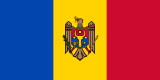
Moldova – Facts, Capital & Geography | Random Country Generator
Capital
Chișinău
Population
2.6 Million (#140)
Currency
Moldovan Leu (MDL)
Language
Romanian
Area
33,846 km²
National Dish
Mămăligă
National Flower
None official
Density
100/km²
Internet TLD
.md
Brief History
Moldova was part of the medieval Principality of Moldavia, which successfully resisted Ottoman expansion under Stephen the Great in the 15th century. It was annexed by the Russian Empire as Bessarabia in 1812, unified with Romania after WWI, and forcibly incorporated into the Soviet Union in 1940. Moldova declared independence on August 27, 1991, with the eastern Transnistria region declaring a breakaway republic.
Key Demographics & Capital
Moldova has a population of approximately 2.5 million, with ethnic Moldovans/Romanians comprising over 75% of the population, followed by Ukrainian (6.6%) and Russian (4.1%) minorities. Romanian is the sole official language, while Russian is widely spoken. The population has declined significantly due to massive emigration of young workers to Western Europe and Russia for employment.
Geography
Moldova is a small, landlocked country in Eastern Europe between Romania and Ukraine. The landscape is predominantly rolling hills, fertile plains, and river valleys. The Dniester River flows through the east. Moldova has rich black soil (chernozem) ideal for agriculture. The country has a continental climate with warm summers.
Culture & Tradition
Moldovan culture is closely related to Romanian culture, sharing language and many traditions. Wine culture is central — nearly every family makes wine. Traditional music and dance are vibrant. Orthodox Christianity shapes social life and celebrations. Moldovan cuisine features mămăligă (cornmeal), plăcinte (pies), and sarmale (cabbage rolls).
Economy
Moldova is one of Europe's poorest countries. The economy relies on agriculture (wine, fruits, vegetables), remittances from workers abroad, and light manufacturing. Wine exports are significant — Moldova has more vineyard per capita than almost any country. The IT sector is growing in Chișinău.
Travel Highlights
Tour the vast Mileștii Mici wine cellar (world's largest), explore Cricova wine cellars, visit Orheiul Vechi cave monastery, discover the breakaway region of Transnistria (Soviet time capsule), explore Chișinău's parks and markets, and experience authentic rural hospitality. Moldova offers genuine, untouristy European experiences.
Fun Facts
Moldova has the largest wine cellar in the world (Mileștii Mici, 200 km of tunnels).
The country is one of the least visited in Europe.
Moldova is known as Europe's wine country.
Transnistria is a breakaway region with its own currency and government.
Moldova is one of the poorest countries in Europe.
Wine has been produced in Moldova for over 5,000 years.
Map
Bordering & Nearby Countries
Frequently Asked Questions (FAQs)
More from Europe
Want a surprise? Try our random Europe country generator or pick from the entire world.
Albania
Explore Albania: Europe's last hidden gem. Discover pristine beaches, ancient cities, and dramatic Albanian Alps.
Andorra
Explore Andorra: tiny mountain principality in the Pyrenees. Discover skiing, duty-free shopping, and Romanesque heritage.
Austria
Explore Austria: land of Mozart, Alpine peaks, and Viennese culture. Discover Salzburg, ski resorts, and Habsburg heritage.
Belarus
Explore Belarus: Europe's last primeval forest and medieval castles. Discover Belovezhskaya Pushcha, Mir Castle, and Slavic heritage.