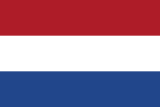
Netherlands – Facts, Capital & Geography | Random Country Generator
Capital
Amsterdam
Population
17.5 Million (#67)
Currency
Euro (EUR)
Language
Dutch
Area
41,543 km²
National Dish
Stamppot
National Flower
Tulip
Density
508/km²
Internet TLD
.nl
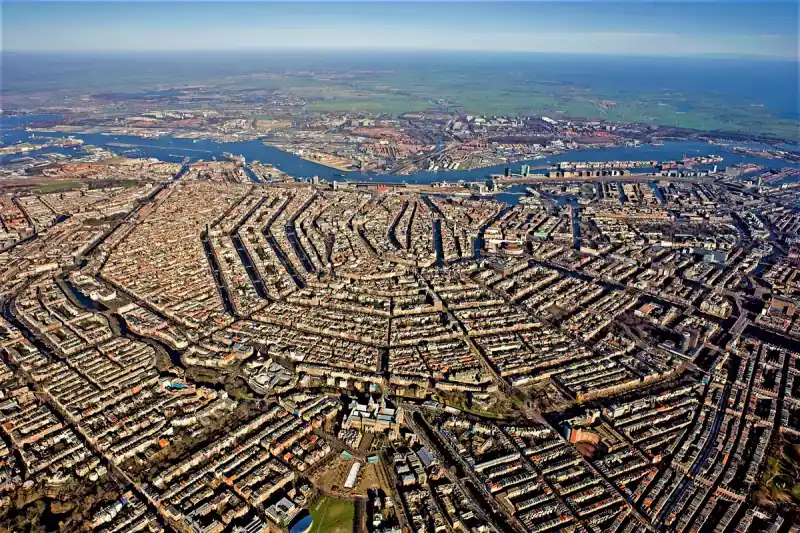
Brief History
The Netherlands (Holland) emerged from the Union of Utrecht in 1579, fighting the Eighty Years' War for independence from Spain. The Dutch Golden Age of the 17th century saw the nation become a global maritime empire driven by the Dutch East India Company. Following French occupation during the Napoleonic era, it established a constitutional monarchy in 1815. It was occupied by Germany during WWII.
Key Demographics & Capital
The Netherlands has a population of approximately 17.8 million, making it one of the most densely populated countries in Europe. Dutch is the official language. The population is highly urbanized (over 92%), clustered in the Randstad conurbation (Amsterdam, Rotterdam, The Hague, Utrecht). The country has experienced steady immigration, with significant Turkish, Moroccan, and Surinamese communities.
Geography
The Netherlands is a low-lying country in Western Europe, with about a quarter of its territory below sea level. The landscape is famously flat, characterized by polders (reclaimed land), canals, windmills, and tulip fields. The Rhine, Meuse, and Scheldt rivers delta forms much of the country. The Wadden Sea coast is a UNESCO World Heritage Site.
Culture & Tradition
Dutch culture values directness, tolerance, and pragmatism. The Golden Age (17th century) produced masters like Rembrandt and Vermeer. Cycling is a way of life, with dedicated infrastructure everywhere. Dutch design is innovative and functional. King's Day celebrations turn the country orange. Cheese markets, tulip festivals, and liberal social policies define the modern Netherlands.
Economy
The Netherlands has a highly developed and open economy, serving as a gateway to Europe. Key sectors include agriculture and food processing (world's second-largest agricultural exporter), chemicals (Shell, AKZO Nobel), technology (ASML, Philips), and logistics (Port of Rotterdam, Schiphol Airport). Financial services and creative industries are also significant.
Travel Highlights
Explore Amsterdam's canal ring, museums (Rijksmuseum, Van Gogh Museum, Anne Frank House), and vibrant nightlife. Visit the tulip gardens at Keukenhof in spring, see windmills at Kinderdijk, explore The Hague's political landmarks, and discover Rotterdam's modern architecture. Cheese markets in Alkmaar and Gouda offer traditional Dutch experiences.
Fun Facts
About one-third of the Netherlands lies below sea level.
The Dutch are the tallest people in the world on average.
There are more bicycles than people in the Netherlands.
The Netherlands produces about 80% of the world's flower bulbs.
Vincent van Gogh was Dutch.
The concept of stock exchanges originated in Amsterdam.
Map
Bordering & Nearby Countries
Frequently Asked Questions (FAQs)
More from Europe
Want a surprise? Try our random Europe country generator or pick from the entire world.
Albania
Explore Albania: Europe's last hidden gem. Discover pristine beaches, ancient cities, and dramatic Albanian Alps.
Andorra
Explore Andorra: tiny mountain principality in the Pyrenees. Discover skiing, duty-free shopping, and Romanesque heritage.
Austria
Explore Austria: land of Mozart, Alpine peaks, and Viennese culture. Discover Salzburg, ski resorts, and Habsburg heritage.
Belarus
Explore Belarus: Europe's last primeval forest and medieval castles. Discover Belovezhskaya Pushcha, Mir Castle, and Slavic heritage.