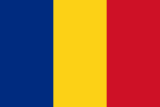
Romania – Facts, Capital & Geography | Random Country Generator
Capital
Bucharest
Population
19.0 Million (#65)
Currency
Romanian Leu (RON)
Language
Romanian
Area
238,397 km²
National Dish
Sarmale
National Flower
Dog Rose
Density
82/km²
Internet TLD
.ro
Brief History
Romania was formed in 1859 through the personal union of the Danubian Principalities of Moldavia and Wallachia under Alexandru Ioan Cuza, gaining formal independence from the Ottoman Empire in 1878 following the Russo-Turkish War. The country expanded significantly after WWI to include Transylvania. Romania fell under Soviet occupation and communist rule after WWII, ousting dictator Nicolae Ceaușescu in a violent revolution in 1989.
Key Demographics & Capital
Romania has a population of approximately 19 million, which has declined significantly in recent decades due to low fertility rates and massive emigration to Western Europe, particularly Italy and Spain. Ethnic Romanians comprise over 89% of the population, followed by a significant Hungarian minority (about 6%). Romanian is the sole official national language. Around 54% of the population lives in urban areas.
Geography
Romania is in Southeastern Europe with diverse geography. The Carpathian Mountains arc through the center, surrounding the Transylvanian Plateau. The Danube River forms the southern border, ending in the Danube Delta — Europe's largest and best-preserved delta. The country has Black Sea coastline, plains, hills, and virgin forests.
Culture & Tradition
Romanian culture blends Latin, Slavic, and Ottoman influences. Transylvania's medieval Saxon villages and fortified churches (UNESCO) are extraordinary. Traditional crafts include woodcarving, egg painting, and weaving. Romanian cuisine features mămăligă (cornmeal), sarmale (cabbage rolls), and mici (grilled sausages). The painted monasteries of Bucovina are unique.
Economy
Romania has a growing, diversified economy. Key sectors include automotive (Dacia/Renault), IT and software development, agriculture, and energy. Romania is a major IT outsourcing destination. The country has significant oil and gas resources. Tourism is developing, especially in Transylvania and the Danube Delta.
Travel Highlights
Explore Transylvania's medieval cities and Dracula legend at Bran Castle, visit the painted monasteries of Bucovina (UNESCO), cruise the Danube Delta for birdwatching, discover Sighișoara's medieval citadel (UNESCO), explore Bucharest's grand Palace of Parliament, and hike in the Carpathian Mountains. Romania offers authentic European charm.
Fun Facts
Romania is home to the legend of Dracula.
The Romanian Palace of Parliament is the world's heaviest building.
Romania has Europe's largest virgin forest.
The Danube Delta is Europe's largest wetland.
Romania has the happiest cemetery in the world (Merry Cemetery of Săpânța).
Bucharest was once called 'Little Paris.'
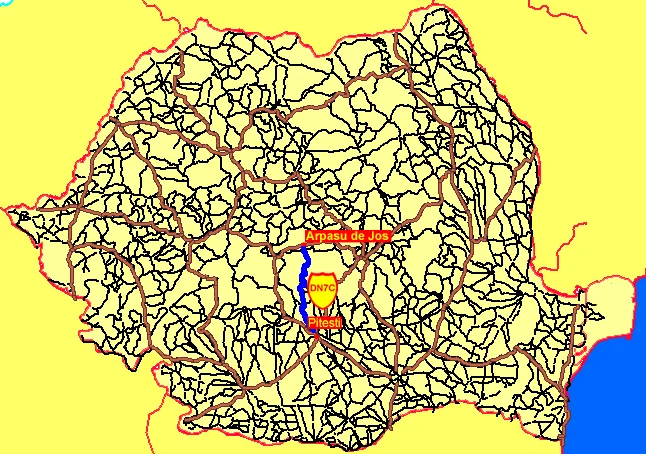
Map
Bordering & Nearby Countries
Frequently Asked Questions (FAQs)
More from Europe
Want a surprise? Try our random Europe country generator or pick from the entire world.
Albania
Explore Albania: Europe's last hidden gem. Discover pristine beaches, ancient cities, and dramatic Albanian Alps.
Andorra
Explore Andorra: tiny mountain principality in the Pyrenees. Discover skiing, duty-free shopping, and Romanesque heritage.
Austria
Explore Austria: land of Mozart, Alpine peaks, and Viennese culture. Discover Salzburg, ski resorts, and Habsburg heritage.
Belarus
Explore Belarus: Europe's last primeval forest and medieval castles. Discover Belovezhskaya Pushcha, Mir Castle, and Slavic heritage.