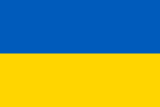
Ukraine – Facts, Capital & Geography | Random Country Generator
Capital
Kyiv
Population
37.0 Million (#40)
Currency
Ukrainian Hryvnia (UAH)
Language
Ukrainian
Area
603,628 km²
National Dish
Borscht
National Flower
Sunflower
Density
61/km²
Internet TLD
.ua
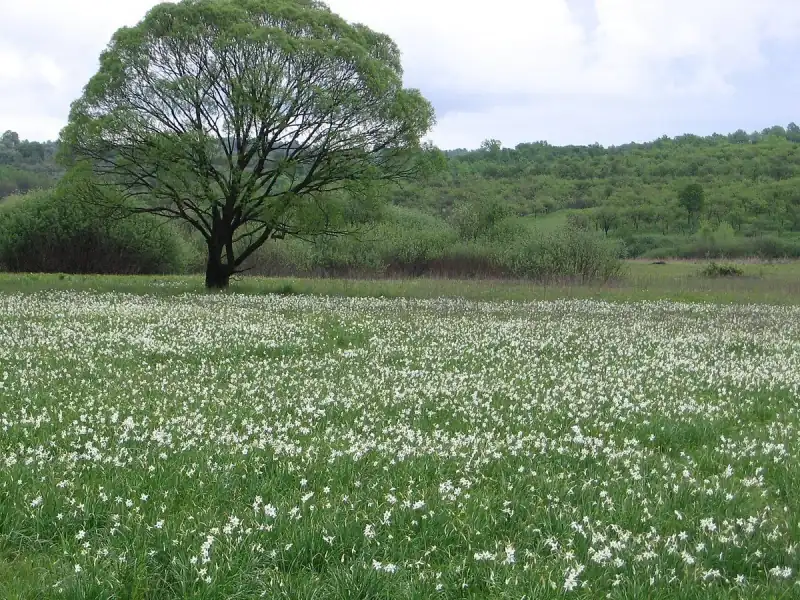
Brief History
Ukraine's history includes the medieval federation of Kievan Rus', which accepted Eastern Orthodox Christianity in 988, later divided between Poland, Lithuania, and the Russian Empire. The Cossack Hetmanate asserted autonomy in the 17th century but was gradually absorbed by Russia. Ukraine declared independence in 1918 but was annexed as a founding republic of the Soviet Union in 1922, suffering the catastrophic Holodomor famine in the 1930s. Ukraine regained sovereignty on August 24, 1991, following the collapse of the USSR, and has faced political upheavals and conflicts since 2014.
Key Demographics & Capital
Ukraine has a population of approximately 37 million, which has declined significantly in recent years due to low birth rates, aging demographics, and conflict-driven emigration. Ethnic Ukrainians comprise over 77% of the population, followed by a significant Russian minority (17%). Ukrainian is the sole official language, written in the Cyrillic alphabet, while Russian is spoken by millions, especially in the eastern and southern regions. The population is highly urbanized (69%), concentrated in industrial hubs like Kyiv, Kharkiv, and Dnipro.
Geography
Ukraine is the largest country entirely in Europe. The landscape is predominantly flat steppe and fertile plains (among the world's most productive agricultural land), with the Carpathian Mountains in the west and the Crimean Mountains in the south. The Dnipro River flows through the center. The country has Black Sea and Sea of Azov coastline.
Culture & Tradition
Ukrainian culture is distinct and ancient. Kyiv's Saint Sophia Cathedral and Kyiv Pechersk Lavra are UNESCO sites. Ukrainian folk traditions include embroidered vyshyvanka shirts, painted pysanky Easter eggs, and hopak dance. Ukrainian cuisine features borscht, varenyky (dumplings), and salo (cured pork fat). Cossack heritage is deeply valued.
Economy
Ukraine has significant agricultural potential with some of the world's most fertile soil (chernozem). Key sectors include agriculture (grain, sunflower oil), IT and software development, metallurgy, and energy. Ukraine's IT sector has grown remarkably. The economy has been severely impacted by the ongoing conflict.
Travel Highlights
Explore Kyiv's golden-domed monasteries and Maidan square, visit Lviv's UNESCO-listed historic center, discover the Carpathian Mountains, and learn about the country's rich history. Ukraine has extraordinary cultural heritage and resilient, hospitable people. Travel options are limited due to the current situation.
Fun Facts
Ukraine is the largest country entirely within Europe.
Kyiv is older than Moscow by several hundred years.
Ukraine has seven UNESCO World Heritage Sites.
The Carpathian Mountains are in western Ukraine.
Ukraine is one of the world's largest grain exporters.
The word 'Ukraine' means 'borderland.'
Map
Bordering & Nearby Countries
Frequently Asked Questions (FAQs)
More from Europe
Want a surprise? Try our random Europe country generator or pick from the entire world.
Albania
Explore Albania: Europe's last hidden gem. Discover pristine beaches, ancient cities, and dramatic Albanian Alps.
Andorra
Explore Andorra: tiny mountain principality in the Pyrenees. Discover skiing, duty-free shopping, and Romanesque heritage.
Austria
Explore Austria: land of Mozart, Alpine peaks, and Viennese culture. Discover Salzburg, ski resorts, and Habsburg heritage.
Belarus
Explore Belarus: Europe's last primeval forest and medieval castles. Discover Belovezhskaya Pushcha, Mir Castle, and Slavic heritage.