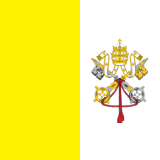
Vatican City – Facts, Capital & Geography | Random Country Generator
Capital
Vatican City
Population
800 (#194)
Currency
Euro (EUR)
Language
Italian, Latin
Area
0.44 km²
National Dish
Suppli
National Flower
White Lily
Density
1,818/km²
Internet TLD
.va
Brief History
Vatican City was established as an independent sovereign state on February 11, 1929, through the Lateran Treaty signed between the Holy See and the Kingdom of Italy under Benito Mussolini. The treaty resolved the long-standing "Roman Question" regarding the temporal power of the Pope after Rome was annexed by Italy in 1870. The Vatican is the spiritual and administrative center of the Roman Catholic Church, ruled by the Pope, who acts as Europe's only absolute monarch. The entire territory is a UNESCO World Heritage Site containing ancient monuments like St. Peter's Basilica.
Key Demographics & Capital
Vatican City has a population of approximately 800 residents, making it the smallest sovereign state in the world by both area and population. The citizenry consists almost entirely of Roman Catholic clergy, including cardinals, diplomats, and the Swiss Guard, who serve as the Pope's traditional security force. Citizens are granted temporary passport status that is revoked when their official duties in the Vatican end. Latin is the official language of the Holy See, while daily administration is conducted in Italian, and the Swiss Guard speaks German.
Geography
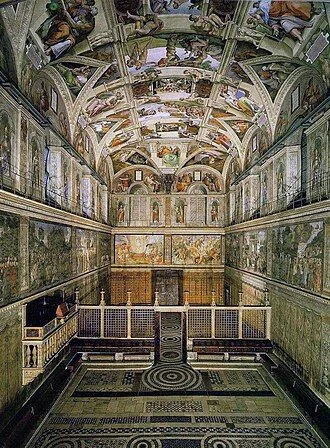
Vatican City is an independent city-state enclaved within Rome, Italy. It covers just 0.44 square kilometers (110 acres), making it the world's smallest independent state. The territory includes St. Peter's Square, St. Peter's Basilica, the Apostolic Palace, Sistine Chapel, Vatican Museums, and the Vatican Gardens.
Culture & Tradition
Vatican City is the spiritual center of the Catholic Church and home to the Pope. The Vatican Museums house one of the world's greatest art collections, including the Sistine Chapel. St. Peter's Basilica is a masterpiece of Renaissance architecture. The Swiss Guard has protected the Pope since 1506. Latin is still used for official documents.
Economy
Vatican City's economy is unique — supported by museum fees, stamp and souvenir sales, donations (Peter's Pence), and investments. The Vatican Bank (IOR) manages financial assets. Tourism to the museums and basilica generates significant revenue. The Vatican operates its own media, postal, and financial institutions.
Travel Highlights
Visit St. Peter's Basilica and climb to the dome for panoramic views, explore the Vatican Museums and Sistine Chapel, walk through St. Peter's Square, see the Pietà sculpture, and attend a papal audience or Mass. Booking tickets in advance for the museums is essential. The Vatican offers some of the world's greatest art and architecture.
Fun Facts
Vatican City is the smallest country in the world.
St. Peter's Basilica is the largest church in the world.
The Vatican has its own postal service, radio station, and railway.
The Sistine Chapel ceiling was painted by Michelangelo.
The Vatican Library has over 75,000 manuscripts.
Vatican City has the highest crime rate per capita (mostly pickpocketing).
Map
Bordering & Nearby Countries
Frequently Asked Questions (FAQs)
More from Europe
Want a surprise? Try our random Europe country generator or pick from the entire world.
Albania
Explore Albania: Europe's last hidden gem. Discover pristine beaches, ancient cities, and dramatic Albanian Alps.
Andorra
Explore Andorra: tiny mountain principality in the Pyrenees. Discover skiing, duty-free shopping, and Romanesque heritage.
Austria
Explore Austria: land of Mozart, Alpine peaks, and Viennese culture. Discover Salzburg, ski resorts, and Habsburg heritage.
Belarus
Explore Belarus: Europe's last primeval forest and medieval castles. Discover Belovezhskaya Pushcha, Mir Castle, and Slavic heritage.