
Australia – Facts, Capital & Geography | Random Country Generator
Capital
Canberra
Population
26.0 Million (#56)
Currency
Australian Dollar (AUD)
Language
English
Area
7,692,024 km²
National Dish
Meat Pie
National Flower
Golden Wattle
Density
3/km²
Internet TLD
.au
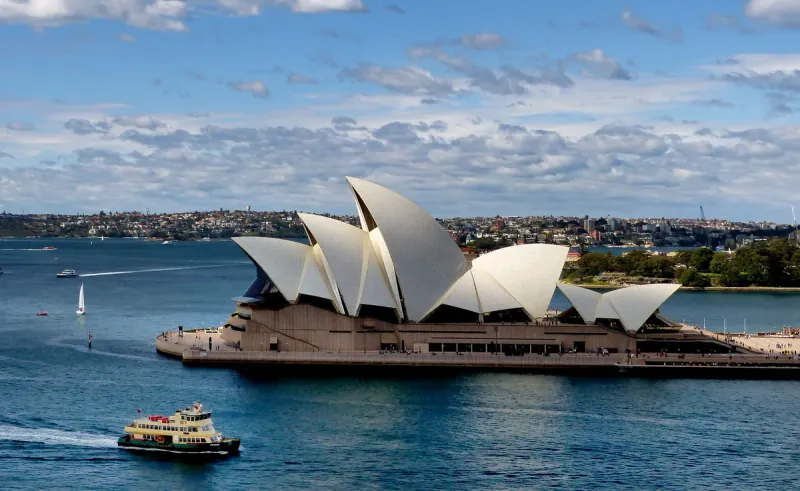
Brief History
Australia was inhabited by Indigenous Australians for over 65,000 years before European exploration. British colonization began in 1788 with the arrival of the First Fleet, establishing New South Wales as a penal colony. The 19th-century gold rushes spurred immigration, leading to the federation of six colonies into the Commonwealth of Australia on January 1, 1901. Post-WWII policies shifted the nation towards multiculturalism and strong alliance ties in the Asia-Pacific.
Key Demographics & Capital
Australia has a population of approximately 26 million, characterized by a highly multicultural demographic profile where nearly 30% of residents were born overseas. Indigenous Australians comprise about 3.8% of the population. English is the national language, and the population is highly urbanized, with over 86% living in coastal cities such as Sydney, Melbourne, Brisbane, and Perth. The vast interior remains extremely sparsely populated.
Geography
Australia is the world's smallest continent and sixth-largest country. The interior features the vast, arid Outback, while coastlines offer tropical beaches, temperate forests, and coral reefs. Major landmarks include Uluru (Ayers Rock), the Great Barrier Reef, and the Blue Mountains. The Great Dividing Range runs along the eastern coast.
Culture & Tradition
Australian culture blends British colonial heritage with vibrant Indigenous Aboriginal traditions dating back over 65,000 years. The laid-back 'Aussie' lifestyle emphasizes outdoor living, barbecues, and beach culture. Indigenous art, storytelling, and connection to the land are increasingly recognized and celebrated. Major cultural events include the Sydney Festival and Melbourne Cup.
Economy
Australia has a strong, diversified economy built on mining (iron ore, coal, gold), agriculture (wool, beef, wheat), and services. The country is a major exporter of natural resources to Asia. Sydney and Melbourne are leading financial centers. Tourism is a significant contributor, with visitors drawn to the natural wonders and urban attractions.
Travel Highlights
Must-see attractions include the Sydney Opera House, Great Barrier Reef, Uluru, the Twelve Apostles, and the Daintree Rainforest. Experience the unique wildlife at Kangaroo Island, surf at Bondi Beach, explore the wine regions of Barossa Valley, and drive the Great Ocean Road for spectacular coastal scenery.
Fun Facts
Australia is both a country and a continent.
The Great Barrier Reef is the largest living structure on Earth.
Australia has over 10,000 beaches.
Kangaroos and emus cannot walk backward, which is why they're on the coat of arms.
The Australian Alps receive more snow than the Swiss Alps.
Wombat droppings are cube-shaped.
Map
Bordering & Nearby Countries
Frequently Asked Questions (FAQs)
More from Oceania
Want a surprise? Try our random Oceania country generator or pick from the entire world.
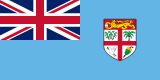
Fiji
Explore Fiji: 330 islands of South Pacific paradise. Discover pristine reefs, warm Fijian hospitality, and tropical island adventures.
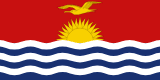
Kiribati
Explore Kiribati: remote Pacific atolls spanning the equator. Discover WWII history, traditional culture, and pristine ocean environments.
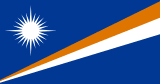
Marshall Islands
Explore the Marshall Islands: remote Pacific atolls and nuclear history. Discover world-class diving, stick chart navigation, and island culture.
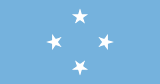
Micronesia
Explore Micronesia: Nan Madol's mystery and world-class diving. Discover WWII wrecks, stone money of Yap, and Pacific island traditions.