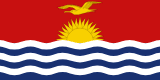
Kiribati – Facts, Capital & Geography | Random Country Generator
Capital
Tarawa
Population
120K (#178)
Currency
Australian Dollar (AUD)
Language
English, Gilbertese
Area
811 km²
National Dish
Palusami
National Flower
None official
Density
135/km²
Internet TLD
.ki
Brief History
Kiribati was settled by Micronesian groups before European explorers reached the islands in the late 18th and early 19th centuries. It became a British protectorate in 1892 and a colony in 1916 as the Gilbert and Ellice Islands, experiencing intense fighting during WWII (such as the Battle of Tarawa). Kiribati achieved full independence from the United Kingdom on July 12, 1979, as a sovereign republic.
Key Demographics & Capital
Kiribati has a population of approximately 130,000, with ethnic Micronesians (called I-Kiribati) comprising over 96% of the population. Gilbertese (Kiribati) and English are the official languages. The population density is extremely high in the capital island of South Tarawa, where over half of the country's population resides in crowded urban conditions.
Geography
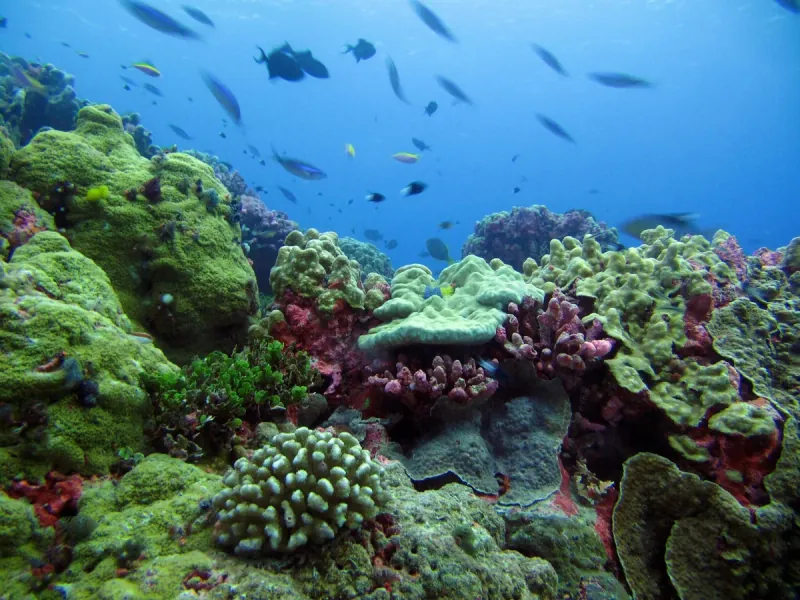
Kiribati is a vast Pacific island nation of 33 atolls and reef islands spread across 3.5 million square kilometers of ocean. Most islands are low-lying coral atolls just meters above sea level. The country spans the equator and International Date Line. Christmas Island (Kiritimati) is the world's largest coral atoll.
Culture & Tradition
I-Kiribati culture is rooted in communal living and ocean traditions. Dance and singing are important cultural expressions. The maneaba (meeting house) is central to community life. Traditional navigation skills using stars, waves, and currents are remarkable. Te buki ni borau (traditional martial arts) is practiced. Coconut and fish are dietary staples.
Economy
Kiribati's economy is small and isolated. Fishing license fees (tuna), copra, remittances, and foreign aid are the main revenue sources. The Revenue Equalisation Reserve Fund provides a financial buffer. Climate change threatens the nation's existence. Phosphate mining revenue built the sovereign fund.
Travel Highlights
Experience authentic Pacific island life on Tarawa, visit WWII relics from the Battle of Tarawa, go bonefishing on Christmas Island (Kiritimati), watch spectacular bird colonies, and explore remote outer islands. Kiribati offers a glimpse of Pacific Island life untouched by mass tourism, but reaching it requires determination.
Fun Facts
Kiribati is the first country the sun rises on each day.
The country spans all four hemispheres.
Kiribati is one of the most vulnerable nations to climate change.
Christmas Island (Kiritimati) is the world's largest coral atoll.
The country covers 3.5 million sq km of ocean but only 811 sq km of land.
WWII's Battle of Tarawa was one of the bloodiest in the Pacific.
Map
Bordering & Nearby Countries
Frequently Asked Questions (FAQs)
More from Oceania
Want a surprise? Try our random Oceania country generator or pick from the entire world.

Australia
Explore Australia: from the Great Barrier Reef to the Outback. Discover unique wildlife, stunning landscapes, and vibrant cities.
Fiji
Explore Fiji: 330 islands of South Pacific paradise. Discover pristine reefs, warm Fijian hospitality, and tropical island adventures.
Marshall Islands
Explore the Marshall Islands: remote Pacific atolls and nuclear history. Discover world-class diving, stick chart navigation, and island culture.
Micronesia
Explore Micronesia: Nan Madol's mystery and world-class diving. Discover WWII wrecks, stone money of Yap, and Pacific island traditions.