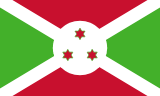
Burundi – Facts, Capital & Geography | Random Country Generator
Capital
Gitega
Population
12.9 Million (#77)
Currency
Burundian Franc (BIF)
Language
Kirundi, French
Area
27,830 km²
National Dish
Boko
National Flower
African Violet
Density
463/km²
Internet TLD
.bi
Brief History
Burundi existed as an independent kingdom for centuries under the rule of a Tutsi monarch, maintaining its sovereignty until German colonization in the late 19th century. It was administered by Belgium after WWI as part of Ruanda-Urundi, gaining independence in 1962. Decades of ethnic tension and violence between the Hutu and Tutsi populations culminated in a civil war in the 1990s, which ended with the Arusha peace agreement in 2000.
Key Demographics & Capital
Burundi has a population of approximately 13 million, with one of the highest population densities in Africa (over 470 people per square kilometer). The population is divided ethnically into Hutus (about 85%), Tutsis (14%), and Twa (1%). Kirundi, French, and English are official languages, with Kirundi being universally spoken. The population remains overwhelmingly rural, with only about 14% living in urban areas.
Geography
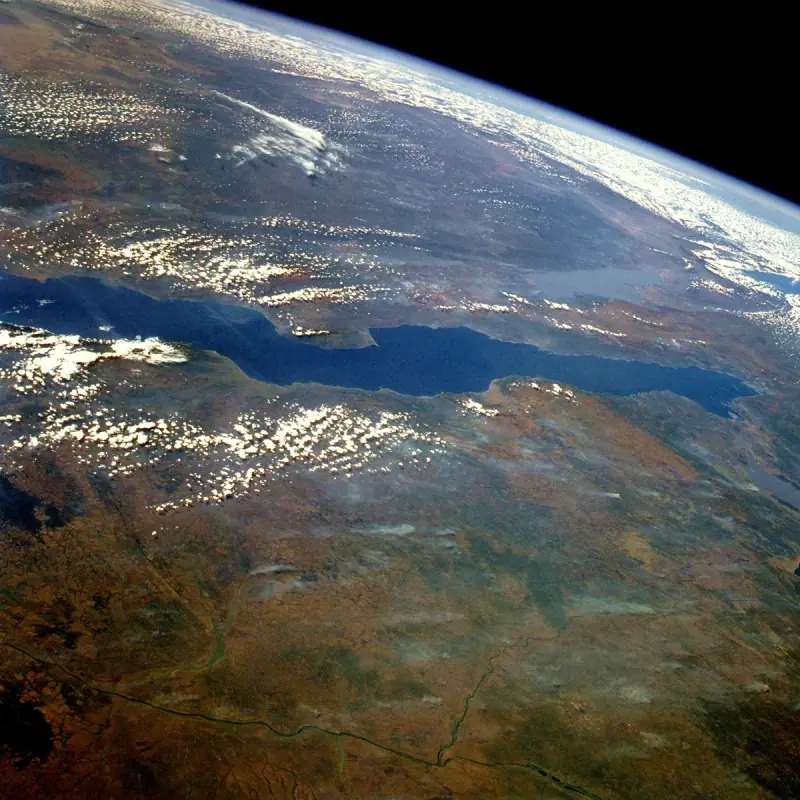
Burundi is a small, landlocked country in the Great Lakes region of East Africa. The western border runs along Lake Tanganyika, the world's second-deepest lake. The terrain is mostly hilly and mountainous, with some plateaus and plains. The country lies on the Great Rift Valley's western edge.
Culture & Tradition
Burundian culture is known for its sacred drumming traditions, with the Royal Drummers of Burundi gaining international fame. Music, dance, and oral poetry are central to cultural life. The population is primarily Hutu and Tutsi, with a shared language (Kirundi) and many cultural traditions.
Economy
Burundi is one of the poorest countries in the world. The economy is primarily agricultural, with coffee and tea as main exports. Subsistence farming employs the vast majority of the population. Lake Tanganyika provides fishing resources. The country has potential for nickel and other mineral mining.
Travel Highlights
Visit the Livingstone-Stanley Monument at Mugere, explore the shores of Lake Tanganyika, experience the Royal Drummers of Burundi, discover Kibira National Park's mountain forests, and visit Rusizi National Park to see hippos and crocodiles. The Karera Waterfalls offer scenic beauty.
Fun Facts
Burundi is one of the smallest countries in Africa.
The source of the Nile River is disputed but one tributary begins in Burundi.
Drumming is a sacred art form in Burundian culture.
Lake Tanganyika is the second-deepest lake in the world.
Coffee accounts for the majority of export revenue.
Burundi has one of the highest population densities in Africa.
Map
Bordering & Nearby Countries
Frequently Asked Questions (FAQs)
More from Africa
Want a surprise? Try our random Africa country generator or pick from the entire world.
Algeria
Discover Algeria: Africa's largest country. From Saharan landscapes to Mediterranean coasts, explore ancient ruins and Berber culture.
Angola
Explore Angola: from Kalandula Falls to Atlantic beaches. Discover vibrant culture, wildlife, and Southern African landscapes.
Benin
Discover Benin: birthplace of Voodoo. Explore Dahomey palaces, floating villages, and rich West African traditions.
Botswana
Explore Botswana: home of the Okavango Delta and incredible safaris. Discover elephants, Kalahari landscapes, and African wilderness.