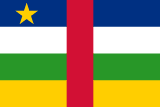
Central African Republic – Facts, Capital & Geography | Random Country Generator
Capital
Bangui
Population
5.5 Million (#115)
Currency
Central African CFA Franc (XAF)
Language
French, Sango
Area
622,984 km²
National Dish
Gozo
National Flower
Kotto
Density
7/km²
Internet TLD
.cf
Brief History
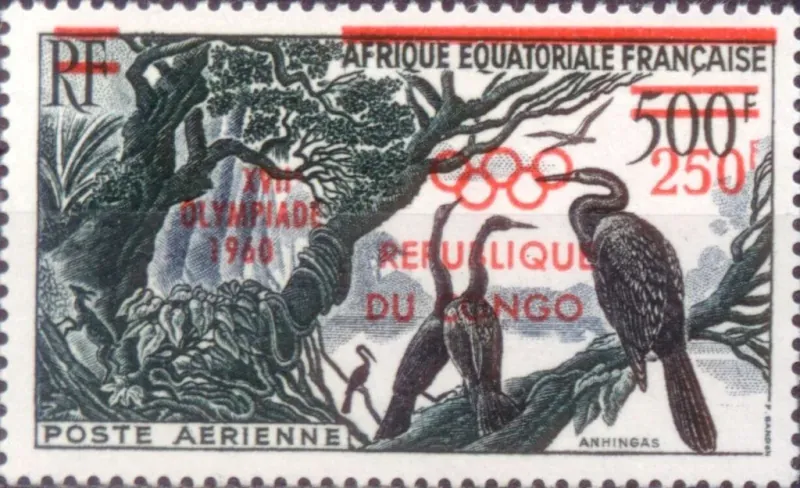
The Central African Republic was devastated by Arab, European, and local slave raiders in the 18th and 19th centuries before French colonization as Ubangi-Shari in 1894. The country achieved independence in 1960 under Barthélemy Boganda, but fell into decades of military rule, most notably the eccentric dictatorship of Jean-Bédel Bokassa. Recurring civil conflicts since 2013 have necessitated ongoing UN peacekeeping efforts.
Key Demographics & Capital
The Central African Republic has a population of approximately 5.7 million, comprising over 80 ethnic groups, with the Baya (33%) and Banda (27%) being the largest. French and Sango are the official languages, with Sango serving as the national lingua franca. The population is predominantly rural and dispersed, with low life expectancy and high displacement rates due to ongoing domestic conflicts.
Geography
The Central African Republic is a landlocked country in the heart of Africa. The terrain is mostly flat savanna plateau, with denser tropical forests in the south. The Ubangi River forms much of the southern border. The north transitions to drier Sahel. Significant biodiversity remains in protected areas.
Culture & Tradition
CAR's culture is diverse with over 80 ethnic groups. Traditional music featuring the balafon and drums is important. Storytelling and oral traditions preserve cultural heritage. The Aka (Bayaka) pygmies in the southwest maintain traditional forest-dwelling lifestyles. French and Sango are the official languages.
Economy
The Central African Republic is one of the world's poorest countries. The economy relies on subsistence agriculture, timber, diamonds, and gold. The country has faced political instability that has hampered economic development. Significant untapped mineral resources and agricultural potential exist.
Travel Highlights
Visit the Dzanga-Sangha Special Reserve to see western lowland gorillas and forest elephants, explore Bangui's markets and the Ubangi River, and discover the Manovo-Gounda St. Floris National Park (UNESCO). The country offers authentic African wilderness experiences away from mass tourism.
Fun Facts
The country is home to lowland gorillas and forest elephants.
The Dzanga-Sangha Reserve is one of the best places to see western lowland gorillas.
CAR has significant diamond deposits.
The Ubangi River forms the southern border.
Butterflies are remarkably diverse with over 600 species recorded.
Traditional music features the balafon (wooden xylophone).
Map
Bordering & Nearby Countries
Frequently Asked Questions (FAQs)
More from Africa
Want a surprise? Try our random Africa country generator or pick from the entire world.
Algeria
Discover Algeria: Africa's largest country. From Saharan landscapes to Mediterranean coasts, explore ancient ruins and Berber culture.
Angola
Explore Angola: from Kalandula Falls to Atlantic beaches. Discover vibrant culture, wildlife, and Southern African landscapes.
Benin
Discover Benin: birthplace of Voodoo. Explore Dahomey palaces, floating villages, and rich West African traditions.
Botswana
Explore Botswana: home of the Okavango Delta and incredible safaris. Discover elephants, Kalahari landscapes, and African wilderness.