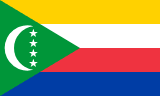
Comoros – Facts, Capital & Geography | Random Country Generator
Capital
Moroni
Population
900K (#157)
Currency
Comorian Franc (KMF)
Language
Comorian, Arabic, French
Area
2,235 km²
National Dish
Langouste a la Vanille
National Flower
Ylang-Ylang
Density
350/km²
Internet TLD
.km
Brief History
Comoros was settled by Bantu, Arab, Persian, and Malagasy seafaring groups, developing as a major Swahili trading hub ruled by competing sultanates. It became a French colony in the 19th century, gaining independence in 1975, except for the island of Mayotte which chose to remain part of France. The nation subsequently suffered dozens of coup attempts and political instability, adopting a new federal constitution in 2001.
Key Demographics & Capital
Comoros has a population of approximately 850,000, presenting a blend of Arab, African, and Malagasy ancestry. Shikomoro (a Swahili dialect), Arabic, and French are the three official languages. The population is dense and predominantly rural, with residents clustered heavily on the three main islands of Grande Comore, Anjouan, and Mohéli. Emigration, particularly to France, is high.
Geography
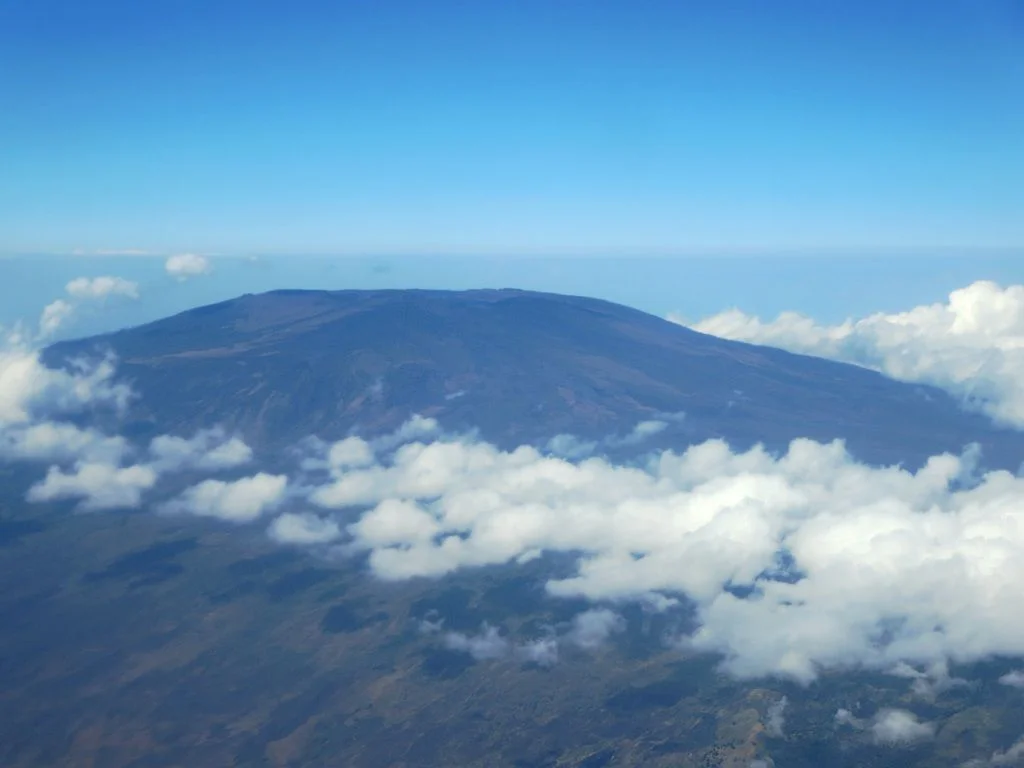
Comoros is a volcanic archipelago in the Indian Ocean between Madagascar and Mozambique. The three main islands — Grande Comore, Mohéli, and Anjouan — feature volcanic peaks, tropical forests, and coral reefs. Mount Karthala on Grande Comore is one of the largest active volcanoes in the world.
Culture & Tradition
Comorian culture blends African, Arab, Persian, and French influences. Islam is the dominant religion. The Grand Marriage ceremony is an elaborate and important social institution. Traditional music features twarab influenced by Arab and Swahili traditions. Comorian cuisine features fish, coconut, and tropical spices.
Economy
Comoros is one of the world's poorest nations. The economy depends on agriculture (vanilla, ylang-ylang, cloves), fishing, and remittances from the diaspora. Tourism has potential but remains underdeveloped. The islands' isolation and political instability have limited economic growth.
Travel Highlights
Climb Mount Karthala volcano, snorkel and dive in pristine coral reefs, explore Mohéli Marine Park for sea turtles and whales, visit the historic medina of Moroni, and experience traditional Comorian villages. The islands offer unspoiled tropical beauty far from mass tourism.
Fun Facts
Comoros is one of the smallest countries in Africa.
Mount Karthala is one of the world's largest active volcanoes.
The coelacanth, a 'living fossil' fish, was found in Comoran waters.
Comoros is the world's largest producer of ylang-ylang essential oil.
The country has had over 20 coups or attempted coups since independence.
Comoros has a blend of African, Arab, and French cultural influences.
Map
Bordering & Nearby Countries
Frequently Asked Questions (FAQs)
More from Africa
Want a surprise? Try our random Africa country generator or pick from the entire world.
Algeria
Discover Algeria: Africa's largest country. From Saharan landscapes to Mediterranean coasts, explore ancient ruins and Berber culture.
Angola
Explore Angola: from Kalandula Falls to Atlantic beaches. Discover vibrant culture, wildlife, and Southern African landscapes.
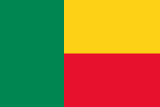
Benin
Discover Benin: birthplace of Voodoo. Explore Dahomey palaces, floating villages, and rich West African traditions.
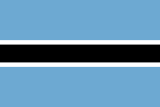
Botswana
Explore Botswana: home of the Okavango Delta and incredible safaris. Discover elephants, Kalahari landscapes, and African wilderness.