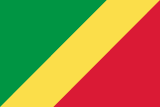
Republic of the Congo – Facts, Capital & Geography | Random Country Generator
Capital
Brazzaville
Population
5.8 Million (#113)
Currency
Central African CFA Franc (XAF)
Language
French
Area
342,000 km²
National Dish
Poulet Moambé
National Flower
Flame Lily
Density
15/km²
Internet TLD
.cg
Brief History
Congo-Brazzaville was part of the ancient Anziku and Loango kingdoms before French explorer Pierre Savorgnan de Brazza established a French protectorate in 1880. It served as the administrative capital of French Equatorial Africa before achieving independence in 1960. The country was ruled as a Marxist-Leninist single-party state from 1970 to 1991, followed by a brief civil war in 1997 that restored Denis Sassou Nguesso to power.
Key Demographics & Capital
Congo-Brazzaville has a population of approximately 6.1 million, with over 48% of the population under the age of 18. The main ethnic groups are the Kongo (48%), Sangha (20%), and Teke (17%). French is the official language, while Lingala and Kituba are recognized national languages spoken widely across regions. The population is highly urbanized, with over 70% concentrated in Brazzaville and Pointe-Noire.
Geography
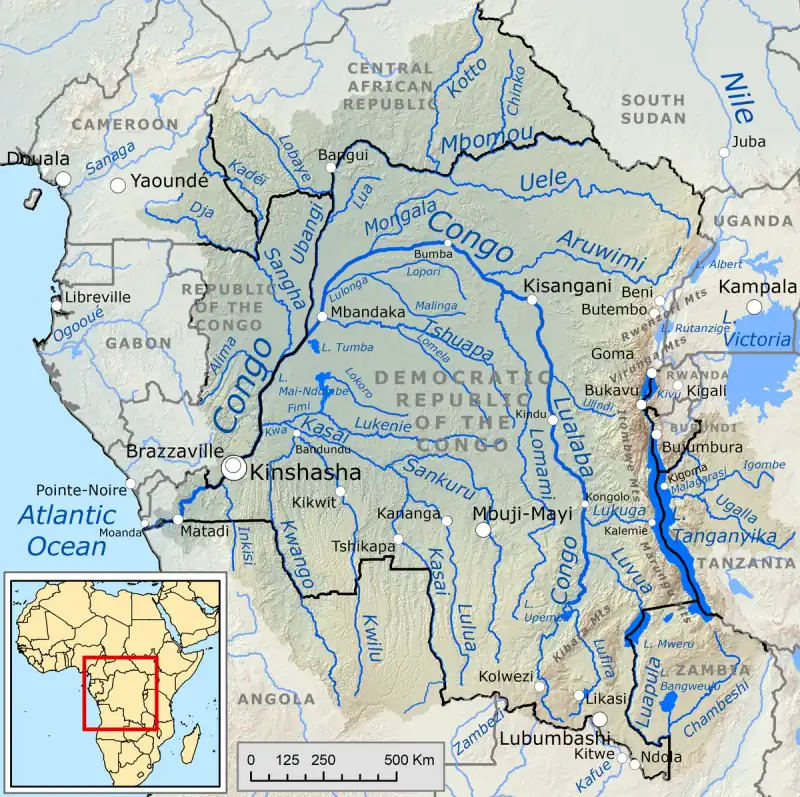
The Republic of the Congo lies on the equator in Central Africa. The Congo River and its tributaries dominate the landscape. Dense tropical rainforest covers the north, while savanna predominates in the south. The coastal plain along the Atlantic is narrow. The country is one of the most forested in Africa.
Culture & Tradition
Congolese culture is vibrant and diverse. The Sapeurs — dandies who dress in elaborate designer suits — are a world-famous cultural phenomenon from Brazzaville. Music, particularly soukous and rumba congolaise, is central to cultural life. Traditional mask ceremonies and oral traditions remain important.
Economy
Oil production dominates the economy, accounting for most government revenue and exports. Timber and agriculture are also significant. The country has substantial mineral resources. Brazzaville serves as a regional hub. Economic diversification remains a challenge.
Travel Highlights
Experience the Sapeur culture in Brazzaville, explore Odzala-Kokoua National Park for gorilla tracking, visit the Lesio-Louna Reserve for gorilla reintroduction programs, cruise the Congo River, and discover the Lefini Reserve. The Diosso Gorge near Pointe-Noire offers dramatic red clay landscapes.
Fun Facts
Brazzaville and Kinshasa are the closest national capitals in the world.
The Congo Basin is the second-largest tropical rainforest.
The country has significant offshore oil reserves.
Sapeurs are famous for their flamboyant fashion culture.
The Congo River is the deepest river in the world.
The country is home to western lowland gorillas.
Map
Bordering & Nearby Countries
Frequently Asked Questions (FAQs)
More from Africa
Want a surprise? Try our random Africa country generator or pick from the entire world.
Algeria
Discover Algeria: Africa's largest country. From Saharan landscapes to Mediterranean coasts, explore ancient ruins and Berber culture.
Angola
Explore Angola: from Kalandula Falls to Atlantic beaches. Discover vibrant culture, wildlife, and Southern African landscapes.
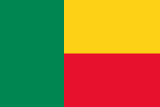
Benin
Discover Benin: birthplace of Voodoo. Explore Dahomey palaces, floating villages, and rich West African traditions.
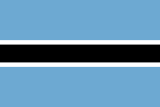
Botswana
Explore Botswana: home of the Okavango Delta and incredible safaris. Discover elephants, Kalahari landscapes, and African wilderness.