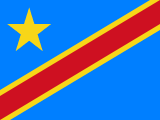
Democratic Republic of the Congo – Facts, Capital & Geography | Random Country Generator
Capital
Kinshasa
Population
102.3 Million (#15)
Currency
Congolese Franc (CDF)
Language
French
Area
2,344,858 km²
National Dish
Poulet à la Moambe
National Flower
Flame Lily
Density
40/km²
Internet TLD
.cd
Brief History
Congo-Kinshasa was the seat of the Kingdom of Kongo before King Leopold II of Belgium claimed the territory as his personal fiefdom, the Congo Free State, in 1885, initiating a brutal era of rubber exploitation. The Belgian state took control in 1908, and the country achieved independence in 1960. Decades of dictatorship under Mobutu Sese Seko (1965–1997) were followed by regional wars that caused millions of deaths.
Key Demographics & Capital
Congo-Kinshasa has a population of approximately 102 million, making it the most populous Francophone nation in the world. It comprises over 250 ethnic groups, with the Kongo, Luba, and Mongo being the largest. French is the official language, alongside four national languages: Lingala, Swahili, Kikongo, and Tshiluba. The population is overwhelmingly young (median age of 16) and predominantly rural.
Geography
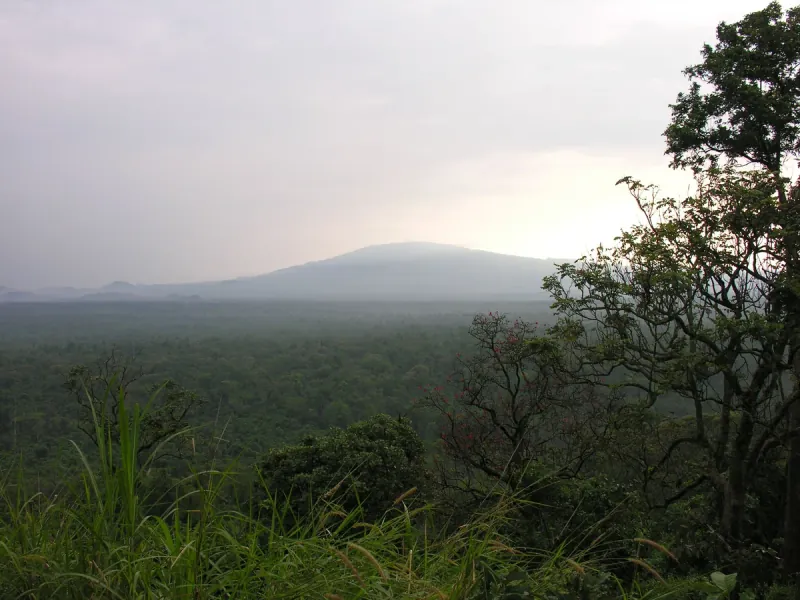
The DRC is a vast country in Central Africa, dominated by the Congo Basin — the world's second-largest tropical rainforest. The eastern border features the Albertine Rift with volcanic mountains, including active Nyiragongo volcano. The Congo River system provides extensive waterways. Landscapes range from tropical forest to savanna and mountains.
Culture & Tradition
The DRC has extraordinary cultural diversity with over 200 ethnic groups. Congolese rumba and soukous music have influenced music across Africa. Traditional art, including Kuba textiles and Luba sculptures, is world-renowned. Lingala and Swahili are major lingua francas alongside French.
Economy
DRC is rich in natural resources including cobalt, copper, coltan, diamonds, and gold. Despite vast mineral wealth, the country remains one of the poorest due to decades of conflict and governance challenges. Agriculture employs most of the population. Mining attracts significant foreign investment.
Travel Highlights
Trek to see mountain gorillas in Virunga National Park, observe the lava lake of Nyiragongo volcano, explore Kahuzi-Biega National Park for eastern lowland gorillas, discover the Lualaba River waterfalls, and experience Kinshasa's vibrant music scene. The Congo offers raw, adventurous travel experiences.
Fun Facts
DRC is the largest country in sub-Saharan Africa.
The Congo River is the second-longest river in Africa.
DRC has over 200 ethnic groups.
Virunga National Park is Africa's oldest national park.
DRC holds about 70% of the world's coltan reserves.
Mountain gorillas can be found in the eastern rainforests.
Map
Bordering & Nearby Countries
Frequently Asked Questions (FAQs)
More from Africa
Want a surprise? Try our random Africa country generator or pick from the entire world.
Algeria
Discover Algeria: Africa's largest country. From Saharan landscapes to Mediterranean coasts, explore ancient ruins and Berber culture.
Angola
Explore Angola: from Kalandula Falls to Atlantic beaches. Discover vibrant culture, wildlife, and Southern African landscapes.
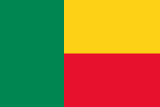
Benin
Discover Benin: birthplace of Voodoo. Explore Dahomey palaces, floating villages, and rich West African traditions.
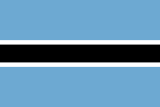
Botswana
Explore Botswana: home of the Okavango Delta and incredible safaris. Discover elephants, Kalahari landscapes, and African wilderness.