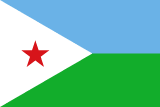
Djibouti – Facts, Capital & Geography | Random Country Generator
Capital
Djibouti
Population
1.0 Million (#156)
Currency
Djiboutian Franc (DJF)
Language
French, Arabic
Area
23,200 km²
National Dish
Skoudehkaris
National Flower
None official
Density
42/km²
Internet TLD
.dj
Brief History
Djibouti was settled by Somali and Afar clans, developing close trade ties with Arab kingdoms across the Red Sea. It became a French protectorate in 1884 known as French Somaliland, later renamed the Territory of the Afars and Issas, serving as a vital coaling station for French ships. Djibouti achieved independence on June 27, 1977, under Hassan Gouled Aptidon, maintaining a strategic position hosting foreign military bases.
Key Demographics & Capital
Djibouti has a population of approximately 1.1 million, divided primarily into two major ethnic groups: the Somali (Issa clan, about 60%) and the Afar (35%). French and Arabic are the official languages, while Somali and Afar are spoken in daily life. The population is highly urbanized, with over 78% of residents concentrated in the capital city of Djibouti, leaving the desert interior uninhabited.
Geography
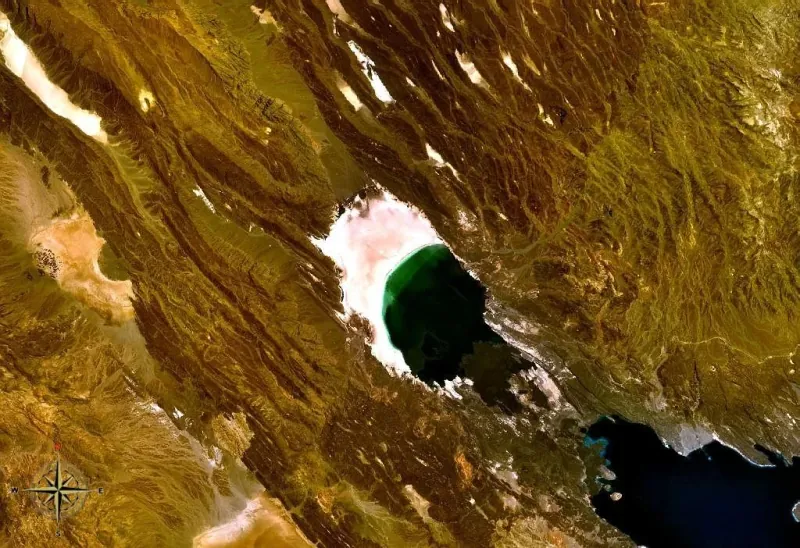
Djibouti is a small country in the Horn of Africa at the southern entrance to the Red Sea. The landscape is dramatically barren with salt lakes, volcanic formations, and desert terrain. Lake Assal is 155 meters below sea level. The Afar Triangle is one of the most geologically active areas on Earth. The Gulf of Tadjoura offers marine biodiversity.
Culture & Tradition
Djibouti's culture reflects its position at the crossroads of Africa and Arabia. The Afar and Issa Somali peoples are the main ethnic groups. Traditional nomadic lifestyles persist in rural areas. Poetry and oral traditions are highly valued. French and Arabic are official languages, with Somali and Afar widely spoken.
Economy
Djibouti's economy is centered on its strategic port location along major international shipping routes. The port and railway to Ethiopia are economic lifelines. Foreign military bases provide significant revenue. The country has limited natural resources and imports most of its food.
Travel Highlights
Swim in the hyper-saline Lake Assal, snorkel with whale sharks in the Gulf of Tadjoura, explore the otherworldly Lac Abbé with its limestone chimneys, discover the Ardoukoba volcano, and experience the Afar Triangle's geothermal activity. Djibouti offers some of the most alien landscapes on Earth.
Fun Facts
Lake Assal is the lowest point in Africa and the saltiest body of water outside Antarctica.
Djibouti hosts multiple foreign military bases.
The country is smaller than the US state of New Hampshire.
Djibouti sits at the Bab-el-Mandeb strait, one of the world's busiest shipping lanes.
The landscape resembles Mars, attracting geologists.
The Afar people are known for their nomadic traditions.
Map
Bordering & Nearby Countries
Frequently Asked Questions (FAQs)
More from Africa
Want a surprise? Try our random Africa country generator or pick from the entire world.
Algeria
Discover Algeria: Africa's largest country. From Saharan landscapes to Mediterranean coasts, explore ancient ruins and Berber culture.
Angola
Explore Angola: from Kalandula Falls to Atlantic beaches. Discover vibrant culture, wildlife, and Southern African landscapes.
Benin
Discover Benin: birthplace of Voodoo. Explore Dahomey palaces, floating villages, and rich West African traditions.
Botswana
Explore Botswana: home of the Okavango Delta and incredible safaris. Discover elephants, Kalahari landscapes, and African wilderness.