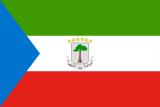
Equatorial Guinea – Facts, Capital & Geography | Random Country Generator
Capital
Malabo
Population
1.7 Million (#148)
Currency
Central African CFA Franc (XAF)
Language
Spanish, French, Portuguese
Area
28,051 km²
National Dish
Peppersoup
National Flower
Flamboyant
Density
48/km²
Internet TLD
.gq
Brief History
Equatorial Guinea was originally inhabited by Bubi and Fang ethnic groups before Portuguese explorer Fernão do Pó reached the island of Bioko in 1472. Spain acquired the territory in 1778 under the Treaty of El Pardo, establishing it as the colony of Spanish Guinea. The country achieved independence on October 12, 1968, under Francisco Macías Nguema, whose brutal dictatorship was overthrown in 1979 by Teodoro Obiang Nguema Mbasogo.
Key Demographics & Capital
Equatorial Guinea has a population of approximately 1.7 million, with the Fang ethnic group comprising over 85% of the population, followed by the Bubi (6.5%) in Bioko. Spanish, French, and Portuguese are the official languages, with Spanish widely spoken as the primary language of administration and instruction. The population is highly concentrated in Bioko and the coastal city of Bata.
Geography
Equatorial Guinea consists of a mainland region (Río Muni) and five islands. Bioko Island in the Gulf of Guinea is home to the capital Malabo. The mainland is covered in dense tropical rainforest. Pico Basile on Bioko is the highest point. The country straddles the equator.
Culture & Tradition
As Africa's only Spanish-speaking country, Equatorial Guinea has a unique cultural blend of Spanish colonial influence and Fang, Bubi, and other ethnic traditions. Traditional dance and music feature prominently. The Fang people are the largest ethnic group on the mainland, known for their elaborate mask traditions.
Economy
Oil and gas dominate the economy, making Equatorial Guinea one of sub-Saharan Africa's largest oil producers. Despite high GDP per capita, wealth distribution is extremely unequal. The country is investing in infrastructure projects. Timber and cocoa were historically important exports.
Travel Highlights
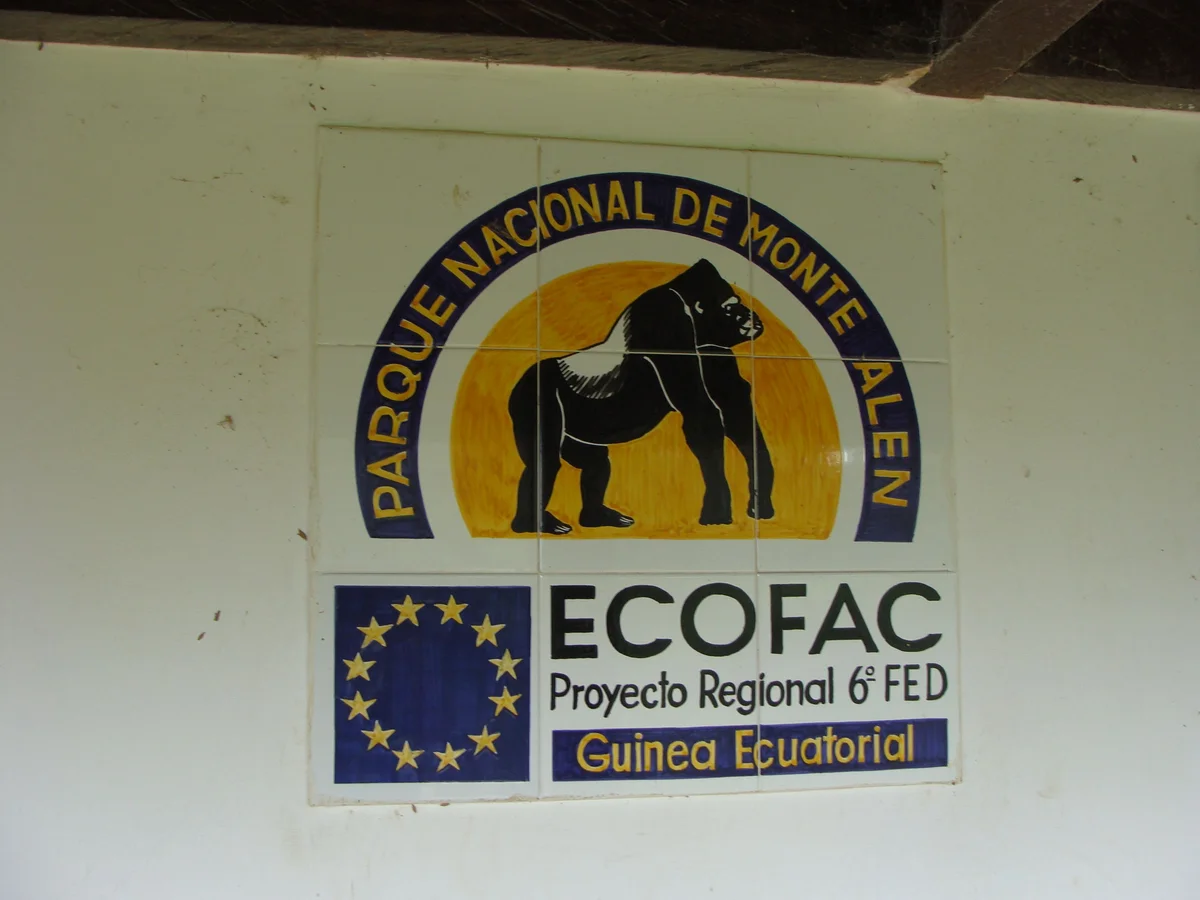
Explore Bioko Island's volcanic beaches and endemic primates, trek through Monte Alén National Park on the mainland, visit the colonial architecture of Malabo, discover the Moca Valley, and experience traditional Bubi culture. The islands offer excellent diving and wildlife watching.
Fun Facts
Equatorial Guinea is the only Spanish-speaking country in Africa.
Despite oil wealth, much of the population lives in poverty.
The island of Bioko has endemic primates found nowhere else.
The country has one of the highest GDPs per capita in Africa.
Monte Alén National Park protects dense tropical rainforest.
The capital Malabo is located on an island, not the mainland.
Map
Bordering & Nearby Countries
Frequently Asked Questions (FAQs)
More from Africa
Want a surprise? Try our random Africa country generator or pick from the entire world.
Algeria
Discover Algeria: Africa's largest country. From Saharan landscapes to Mediterranean coasts, explore ancient ruins and Berber culture.
Angola
Explore Angola: from Kalandula Falls to Atlantic beaches. Discover vibrant culture, wildlife, and Southern African landscapes.
Benin
Discover Benin: birthplace of Voodoo. Explore Dahomey palaces, floating villages, and rich West African traditions.
Botswana
Explore Botswana: home of the Okavango Delta and incredible safaris. Discover elephants, Kalahari landscapes, and African wilderness.