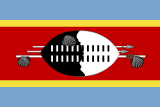
Eswatini – Facts, Capital & Geography | Random Country Generator
Capital
Mbabane
Population
1.2 Million (#154)
Currency
Swazi Lilangeni (SZL)
Language
Swati, English
Area
17,364 km²
National Dish
Sitfwatfwa
National Flower
Fireball Lily
Density
76/km²
Internet TLD
.sz
Brief History
Eswatini (formerly Swaziland) was established in the mid-18th century under Ngwane III, who led the Swazi people to settle in the southern part of the modern nation. It became a joint British-Boer administration in 1894 and later a British protectorate in 1903 following the Anglo-Boer War. The country regained full independence on September 6, 1968, under King Sobhuza II, maintaining Africa's last absolute monarchy structure.
Key Demographics & Capital
Eswatini has a population of approximately 1.2 million, exhibiting high homogeneity with ethnic Swazis comprising over 97% of the population. English and SiSwati are the official languages. The population is predominantly young and rural, with about 78% living in agricultural communities. Eswatini has been severely affected by the HIV/AIDS epidemic, though health outcomes have improved in recent years.
Geography
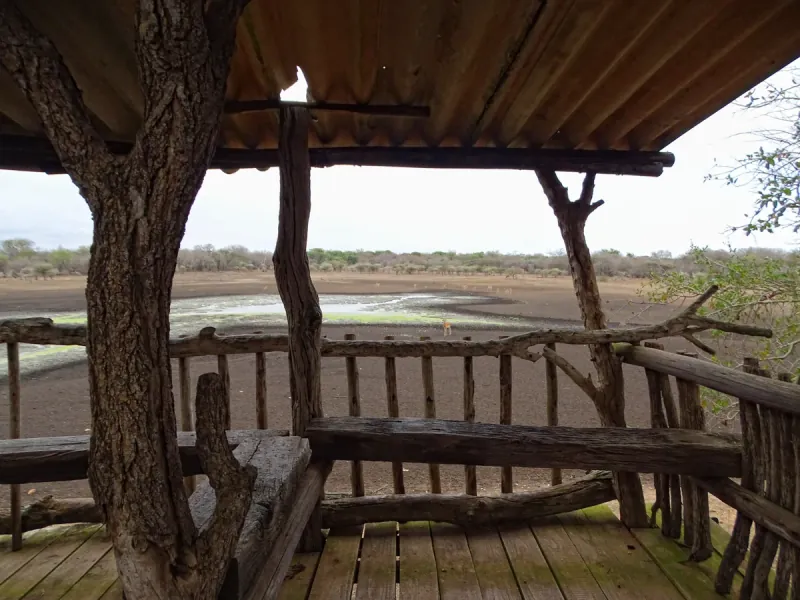
Eswatini is a small, landlocked kingdom in Southern Africa, bordered by South Africa and Mozambique. The landscape varies from mountainous highveld in the west to middleveld savanna and lowveld in the east. Despite its small size, the country has remarkable ecological diversity.
Culture & Tradition
Eswatini maintains strong traditional Swazi culture under its monarchy. The Incwala ceremony (Kingship ritual) and Umhlanga (Reed Dance) are major cultural events attracting thousands of participants. Traditional crafts include basket weaving and beadwork. Swazi music blends traditional and modern influences.
Economy
Eswatini's economy is closely linked to South Africa. Sugar production, soft drink concentrate manufacturing, forestry, and mining are key sectors. The country has a significant textile industry. Tourism is growing, centered on cultural experiences and game reserves.
Travel Highlights
Experience the Umhlanga Reed Dance ceremony, explore Hlane Royal National Park for rhinos and elephants, visit the Mantenga Cultural Village, hike in Malolotja Nature Reserve, and shop for traditional crafts at local markets. The country offers authentic cultural experiences in a compact setting.
Fun Facts
Eswatini was formerly known as Swaziland.
It is one of the last absolute monarchies in the world.
The Reed Dance ceremony involves thousands of young women.
Eswatini is one of the smallest countries in Africa.
The king can have multiple wives.
Eswatini has one of the highest HIV prevalence rates in the world.
Map
Bordering & Nearby Countries
Frequently Asked Questions (FAQs)
More from Africa
Want a surprise? Try our random Africa country generator or pick from the entire world.
Algeria
Discover Algeria: Africa's largest country. From Saharan landscapes to Mediterranean coasts, explore ancient ruins and Berber culture.
Angola
Explore Angola: from Kalandula Falls to Atlantic beaches. Discover vibrant culture, wildlife, and Southern African landscapes.
Benin
Discover Benin: birthplace of Voodoo. Explore Dahomey palaces, floating villages, and rich West African traditions.
Botswana
Explore Botswana: home of the Okavango Delta and incredible safaris. Discover elephants, Kalahari landscapes, and African wilderness.