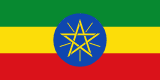
Ethiopia – Facts, Capital & Geography | Random Country Generator
Capital
Addis Ababa
Population
120.0 Million (#12)
Currency
Ethiopian Birr (ETB)
Language
Amharic
Area
1,104,300 km²
National Dish
Injera with Tibs
National Flower
Calla Lily
Density
115/km²
Internet TLD
.et
Brief History
Ethiopia is one of the oldest independent nations in the world, with the Kingdom of Aksum flourishing as a major trade power from the 1st to the 7th centuries CE. Unlike the rest of Africa, Ethiopia successfully resisted European colonization, famously defeating Italian forces at the Battle of Adwa in 1896 under Emperor Menelik II. Emperor Haile Selassie ruled until being overthrown in 1974 by a Marxist military regime (the Derg), which was ousted in 1991.
Key Demographics & Capital
Ethiopia has a population of approximately 126 million, making it the second most populous nation in Africa. It has a highly diverse ethnic composition, with the Oromo (34%) and Amhara (27%) being the largest of over 80 ethnic groups. Amharic is the primary working language, alongside Oromiffa and Tigrinya. The population is predominantly rural (over 78%), clustered heavily in the temperate central highlands.
Geography
Ethiopia is a landlocked country in the Horn of Africa, dominated by the Ethiopian Highlands — one of the most extensive highland regions in Africa. The Great Rift Valley splits the country, featuring lakes and volcanic formations. The Simien Mountains rise over 4,500 meters. The Danakil Depression is one of the hottest and lowest places on Earth.
Culture & Tradition
Ethiopia has one of the world's oldest civilizations, with a history stretching back over 3,000 years. The Ethiopian Orthodox Church is one of the oldest Christian denominations. Ethiopian cuisine centers on injera (spongy flatbread) served with various stews (wot). Coffee ceremonies are an important social ritual. Traditional music features unique scales and instruments like the masinko.
Economy
Ethiopia has one of the fastest-growing economies in Africa. Agriculture (coffee, flowers, livestock) employs about 70% of the population. Ethiopia is Africa's largest coffee producer. Manufacturing, construction, and services are expanding. Addis Ababa hosts the African Union headquarters. The country is investing heavily in infrastructure and industrialization.
Travel Highlights
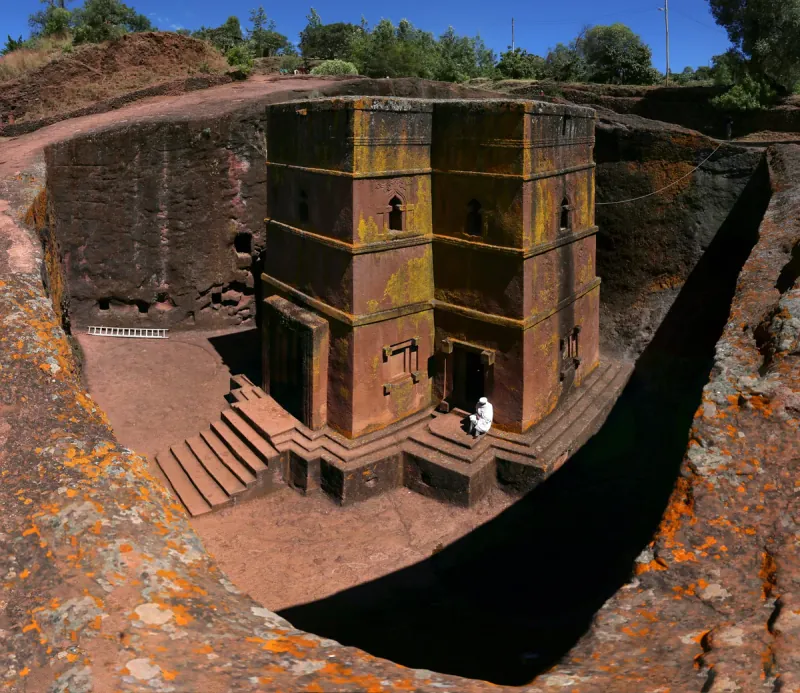
Visit the rock-hewn churches of Lalibela (a UNESCO site), explore the castles of Gondar, trek in the Simien Mountains, discover the ancient obelisks of Axum, and experience a traditional coffee ceremony. The Omo Valley offers encounters with indigenous tribes. The Danakil Depression's otherworldly landscapes and Harar's walled old city are unique experiences.
Fun Facts
Ethiopia is the birthplace of coffee.
Ethiopia has its own calendar, which is 7-8 years behind the Gregorian calendar.
Ethiopia was never colonized by a European power.
Lucy, one of the oldest human ancestors, was discovered in Ethiopia.
Ethiopia has its own unique alphabet (Ge'ez script).
Ethiopian cuisine is famous for injera bread.
Map
Bordering & Nearby Countries
Frequently Asked Questions (FAQs)
More from Africa
Want a surprise? Try our random Africa country generator or pick from the entire world.
Algeria
Discover Algeria: Africa's largest country. From Saharan landscapes to Mediterranean coasts, explore ancient ruins and Berber culture.
Angola
Explore Angola: from Kalandula Falls to Atlantic beaches. Discover vibrant culture, wildlife, and Southern African landscapes.
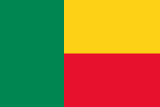
Benin
Discover Benin: birthplace of Voodoo. Explore Dahomey palaces, floating villages, and rich West African traditions.
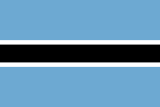
Botswana
Explore Botswana: home of the Okavango Delta and incredible safaris. Discover elephants, Kalahari landscapes, and African wilderness.