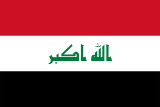
Iraq – Facts, Capital & Geography | Random Country Generator
Capital
Baghdad
Population
43.5 Million (#35)
Currency
Iraqi Dinar (IQD)
Language
Arabic, Kurdish
Area
438,317 km²
National Dish
Masgouf
National Flower
Rose
Density
90/km²
Internet TLD
.iq
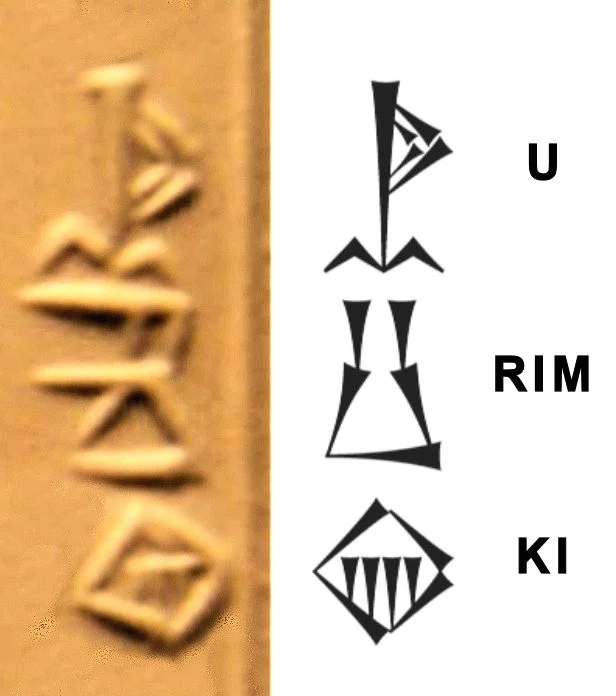
Brief History
Iraq corresponds to ancient Mesopotamia, the 'cradle of civilization', where writing, agriculture, and cities were invented by Sumerian, Akkadian, Babylonian, and Assyrian empires. Baghdad became the capital of the Abbasid Caliphate in 762 CE, serving as a global center of learning before Ottoman conquest. Following British administration after WWI, Iraq became an independent kingdom in 1932, transitioning to a republic in 1958.
Key Demographics & Capital
Iraq has a population of approximately 45 million, with Arabs comprising about 75% to 80% of the total population, and Kurds making up 15% to 20%. Both Arabic and Kurdish are official languages, reflecting the country's federal structure. The population is heavily urbanized (over 70%), concentrated along the Tigris and Euphrates river basins and major cities like Baghdad and Basra.
Geography
Iraq lies in the heart of the Middle East between the Tigris and Euphrates rivers — the ancient Mesopotamia. The landscape ranges from mountain ranges in the Kurdistan region to vast desert plains in the west. The southern marshlands are unique wetland ecosystems. The fertile river valleys support agriculture.
Culture & Tradition
Iraq's cultural heritage is immense as the birthplace of civilization. Ancient Sumerian, Babylonian, and Assyrian civilizations developed writing, mathematics, and law here. Iraqi cuisine features masgouf (grilled fish), dolma, and kebabs. Kurdish culture in the north has distinct traditions. Iraqi music ranges from classical maqam to modern pop.
Economy
Iraq's economy is dominated by oil production — it has the fifth-largest proven reserves globally. Agriculture (dates, grains) is important in the fertile river valleys. The Kurdistan Region has developed more rapidly with its own oil sector. Reconstruction efforts continue in many areas.
Travel Highlights
Visit the ancient city of Babylon, explore the Iraqi Kurdistan region's mountains and historic citadels (Erbil Citadel is one of the oldest continuously inhabited places), discover the marshlands of southern Iraq, tour Baghdad's museums and mosques, and see the ancient Assyrian sites. Kurdistan offers safer and accessible travel experiences.
Fun Facts
Iraq is home to ancient Mesopotamia, the 'Cradle of Civilization.'
Writing was invented in ancient Sumer (modern Iraq).
Baghdad was once the world's largest and most learned city.
The marshlands of southern Iraq are a UNESCO World Heritage Site.
Iraq has the fifth-largest proven oil reserves in the world.
The Code of Hammurabi, one of the oldest legal codes, is from Iraq.
Map
Bordering & Nearby Countries
Frequently Asked Questions (FAQs)
More from Asia
Want a surprise? Try our random Asia country generator or pick from the entire world.
Afghanistan
Discover Afghanistan: Hindu Kush mountains and ancient Silk Road heritage. Explore Bamiyan Valley, Herat's architecture, and Afghan culture.
Armenia
Explore Armenia: first Christian nation. Discover ancient monasteries, Lake Sevan, and Caucasus mountain heritage.
Azerbaijan
Explore Azerbaijan: Land of Fire. Discover Baku's Flame Towers, ancient walled city, mud volcanoes, and Caspian Sea heritage.

Bahrain
Explore Bahrain: ancient Dilmun heritage and modern Gulf culture. Discover pearl diving history, Formula One, and island archipelago charm.