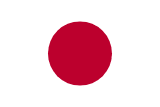
Japan – Facts, Capital & Geography | Random Country Generator
Capital
Tokyo
Population
125.7 Million (#11)
Currency
Japanese Yen (JPY)
Language
Japanese
Area
377,915 km²
National Dish
Sushi / Ramen
National Flower
Cherry Blossom
Density
334/km²
Internet TLD
.jp
Brief History
Japan's historical lineage spans from the prehistoric Jomon period to the imperial rule of Kyoto and the feudal shogunate eras of Kamakura and Edo. During the Edo period (1603-1867), Japan maintained a strict isolationist policy under the Tokugawa shogunate. The Meiji Restoration of 1868 returned power to the Emperor, initiating rapid modernization and industrialization. Following the aftermath of World War II, Japan transitioned into a democratic constitutional monarchy, rising to become one of the world's leading economic and technological powerhouses.
Key Demographics & Capital
Japan has a highly urbanized and culturally homogeneous population of approximately 125 million, characterized by high life expectancy and a low birth rate, leading to a demographically aging society. The vast majority of the population resides in coastal metropolitan plains, with the Greater Tokyo Area standing as the most populous metropolitan region in the world. Japanese is the primary language, and the traditional spiritual practices of Shintoism and Buddhism are widely practiced concurrently by the populace.
Geography
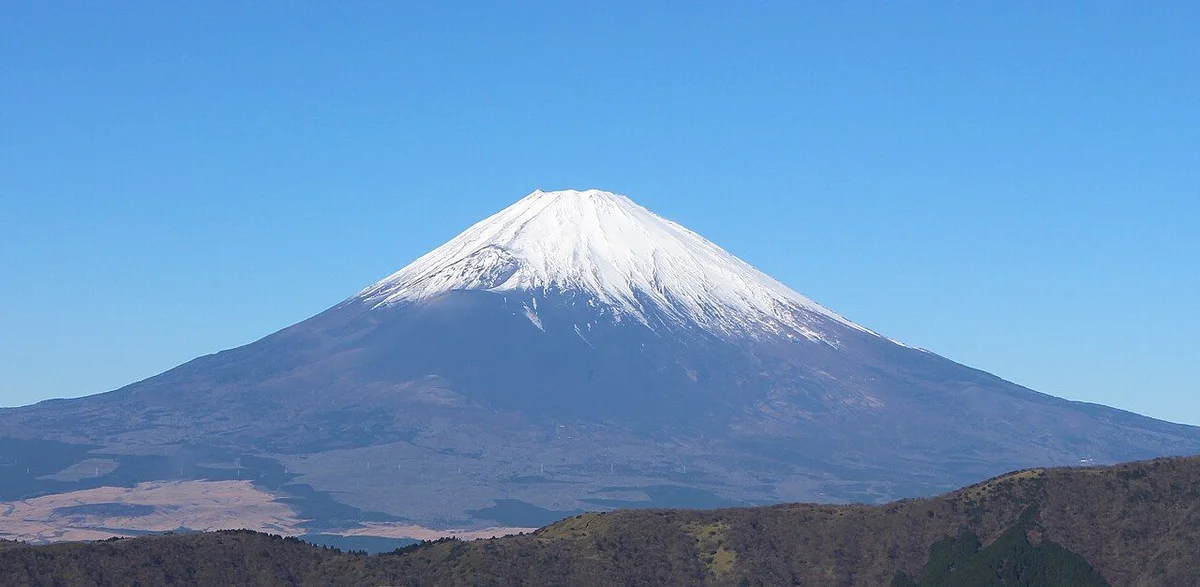
Japan is an island nation in East Asia, consisting of four main islands — Honshu, Hokkaido, Kyushu, and Shikoku — plus thousands of smaller ones. The terrain is predominantly mountainous, with the iconic Mount Fuji standing at 3,776 meters. Japan sits on the Pacific Ring of Fire, making it prone to earthquakes and volcanic activity. The climate ranges from subarctic in the north to subtropical in the south.
Culture & Tradition
Japanese culture is a fascinating blend of ancient tradition and cutting-edge modernity. Traditional arts like tea ceremony, calligraphy, and ikebana coexist with anime, manga, and J-pop. The concept of 'omotenashi' (hospitality) is deeply ingrained. Seasonal festivals (matsuri) celebrate everything from cherry blossoms to lanterns. Japanese cuisine, including sushi, ramen, and kaiseki, is renowned worldwide.
Economy
Japan has the third-largest economy in the world by nominal GDP. It is a global leader in automotive manufacturing, electronics, and robotics. Major companies like Toyota, Sony, and Nintendo are household names worldwide. The country is also known for its advanced technology sector and precision manufacturing capabilities.
Travel Highlights
Must-visit destinations include Tokyo's bustling Shibuya crossing, the ancient temples of Kyoto, the peace memorial in Hiroshima, and the natural beauty of Hokkaido. Experience a traditional ryokan stay, visit the famous Fushimi Inari shrine with its thousands of torii gates, and ride the bullet train (shinkansen) between cities.
Fun Facts
Japan has more than 6,800 islands.
Vending machines in Japan sell everything from hot meals to umbrellas.
The Japanese rail system is one of the most punctual in the world.
Japan has a rabbit island called Okunoshima.
There are more elderly people than children in Japan.
Kit Kat has over 200 flavors in Japan.
Sumo wrestling is Japan's national sport.
Map
Bordering & Nearby Countries
Frequently Asked Questions (FAQs)
More from Asia
Want a surprise? Try our random Asia country generator or pick from the entire world.
Afghanistan
Discover Afghanistan: Hindu Kush mountains and ancient Silk Road heritage. Explore Bamiyan Valley, Herat's architecture, and Afghan culture.
Armenia
Explore Armenia: first Christian nation. Discover ancient monasteries, Lake Sevan, and Caucasus mountain heritage.
Azerbaijan
Explore Azerbaijan: Land of Fire. Discover Baku's Flame Towers, ancient walled city, mud volcanoes, and Caspian Sea heritage.

Bahrain
Explore Bahrain: ancient Dilmun heritage and modern Gulf culture. Discover pearl diving history, Formula One, and island archipelago charm.