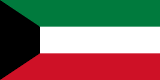
Kuwait – Facts, Capital & Geography | Random Country Generator
Capital
Kuwait City
Population
4.3 Million (#126)
Currency
Kuwaiti Dinar (KWD)
Language
Arabic
Area
17,818 km²
National Dish
Machboos
National Flower
Rhanterium epapposum
Density
233/km²
Internet TLD
.kw
Brief History
Kuwait was settled by the Utab confederation in the early 18th century, establishing the Al Sabah dynasty in 1756. Facing Ottoman threats, Kuwait signed an agreement making it a British protectorate in 1899, discovering oil in 1938. The country declared independence on June 19, 1961, and was invaded by Iraq in 1990, leading to the Gulf War before liberation in 1991.
Key Demographics & Capital
Kuwait has a population of approximately 4.3 million, with foreign nationals (primarily migrant workers from South Asia and Arab countries) comprising over 70% of the total population. Arabic is the sole official language, while English is widely spoken in commercial and administrative sectors. The population is highly urbanized (nearly 100%), concentrated in Kuwait City.
Geography
Kuwait is a small country at the northwestern corner of the Persian Gulf. The terrain is mostly flat desert with some low hills. Summers are extremely hot, among the hottest on Earth. Kuwait Bay provides a natural harbor. The country has nine islands, including Failaka with archaeological sites.
Culture & Tradition
Kuwaiti culture blends traditional Bedouin heritage with modern Gulf state cosmopolitanism. Diwaniya gatherings are important social institutions. Kuwaiti cuisine features machboos (spiced rice with meat), gabout (dumplings), and seafood. Pearl diving heritage is commemorated. The country has a vibrant contemporary art scene and literary tradition.
Economy
Kuwait has one of the world's highest GDPs per capita, driven almost entirely by oil exports. The Kuwait Investment Authority manages vast sovereign wealth. The government provides extensive subsidies and social services. Economic diversification efforts focus on finance, trade, and tourism.
Travel Highlights
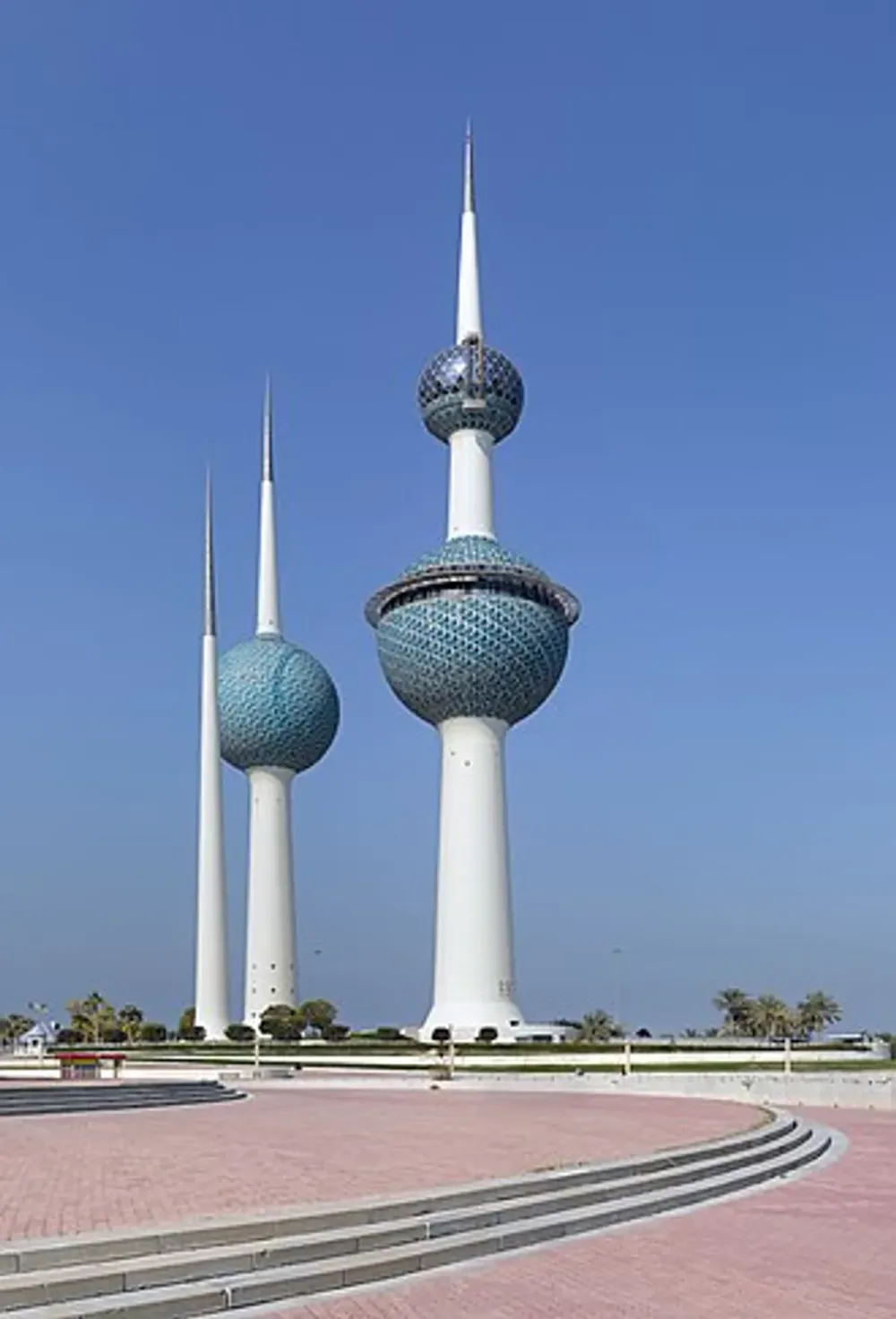
Visit the iconic Kuwait Towers, explore the Grand Mosque, discover Failaka Island's archaeological sites, experience the traditional souks, visit the Tareq Rajab Museum of Islamic art, and enjoy modern Kuwait City's shopping and dining. The Al Shaheed Park offers a green oasis in the city.
Fun Facts
The Kuwaiti Dinar is the highest-valued currency in the world.
Kuwait has no natural freshwater sources.
Kuwait Towers are the country's most iconic landmark.
Oil was discovered in Kuwait in 1938.
Kuwait has one of the hottest climates in the world.
The country was the first Gulf state to have an elected parliament.
Map
Bordering & Nearby Countries
Frequently Asked Questions (FAQs)
More from Asia
Want a surprise? Try our random Asia country generator or pick from the entire world.
Afghanistan
Discover Afghanistan: Hindu Kush mountains and ancient Silk Road heritage. Explore Bamiyan Valley, Herat's architecture, and Afghan culture.
Armenia
Explore Armenia: first Christian nation. Discover ancient monasteries, Lake Sevan, and Caucasus mountain heritage.
Azerbaijan
Explore Azerbaijan: Land of Fire. Discover Baku's Flame Towers, ancient walled city, mud volcanoes, and Caspian Sea heritage.

Bahrain
Explore Bahrain: ancient Dilmun heritage and modern Gulf culture. Discover pearl diving history, Formula One, and island archipelago charm.