Lebanon – Facts, Capital & Geography | Random Country Generator
Capital
Beirut
Population
5.5 Million (#116)
Currency
Lebanese Pound (LBP)
Language
Arabic
Area
10,452 km²
National Dish
Kibbeh
National Flower
Cyclamen
Density
709/km²
Internet TLD
.lb
Brief History
Lebanon was the homeland of the ancient seafaring Phoenicians, later ruled by Roman, Byzantine, Crusader, and Ottoman empires. Following WWI, it was administered under a French mandate, achieving independence on November 22, 1943, with a unique confessional political system. The country was devastated by a multi-factional civil war from 1975 to 1990, followed by reconstruction and ongoing economic challenges.
Key Demographics & Capital
Lebanon has a population of approximately 5.3 million, consisting primarily of Arab communities divided religiously into Shia Muslim (32%), Sunni Muslim (30%), Christian (32%, mainly Maronite and Greek Orthodox), and Druze (5.6%). Arabic is the official language, while French and English are widely used. The country has hosted over 1.5 million Syrian refugees since 2011.
Geography
Lebanon is a small Mediterranean country in the Middle East. Two mountain ranges — Mount Lebanon and Anti-Lebanon — run parallel through the country with the fertile Bekaa Valley between them. The Mediterranean coastline has historic port cities. Despite its small size, Lebanon has diverse microclimates allowing skiing and beach activities on the same day.
Culture & Tradition
Lebanese culture is remarkably diverse with Christian, Muslim, and Druze communities coexisting. Lebanese cuisine — hummus, tabbouleh, kibbeh, meze — is celebrated worldwide. Beirut is known for its nightlife, arts, and resilience. The Phoenician legacy of seafaring and trade continues in Lebanon's entrepreneurial spirit. Arabic, French, and English are widely spoken.
Economy
Lebanon's economy has traditionally been based on banking, services, and tourism. The country faces severe economic crisis since 2019 with currency devaluation and banking sector collapse. Agriculture in the Bekaa Valley and diaspora remittances are important. Lebanon's entrepreneurial spirit and educated workforce are key assets.
Travel Highlights
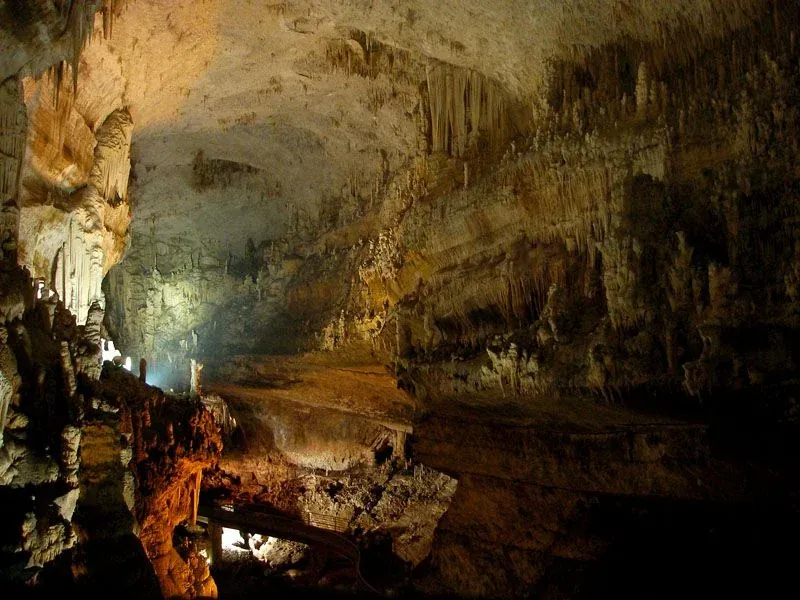
Explore the ancient ruins of Baalbek (UNESCO), walk through the old souks of Byblos (world's oldest city), experience Beirut's nightlife and culinary scene, visit the Cedars of God forest, discover the Jeita Grotto, and hike in the Qadisha Valley (UNESCO). Lebanon packs extraordinary diversity into a tiny area.
Fun Facts
Lebanon has the oldest continuously inhabited city in the world (Byblos).
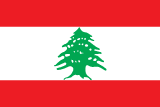
The Cedar of Lebanon is on the national flag.
Lebanese cuisine is considered one of the finest in the world.
Lebanon has 18 recognized religious communities.
Beirut was called the 'Paris of the Middle East.'
Phoenicians from Lebanon invented the alphabet.
Map
Bordering & Nearby Countries
Frequently Asked Questions (FAQs)
More from Asia
Want a surprise? Try our random Asia country generator or pick from the entire world.
Afghanistan
Discover Afghanistan: Hindu Kush mountains and ancient Silk Road heritage. Explore Bamiyan Valley, Herat's architecture, and Afghan culture.
Armenia
Explore Armenia: first Christian nation. Discover ancient monasteries, Lake Sevan, and Caucasus mountain heritage.
Azerbaijan
Explore Azerbaijan: Land of Fire. Discover Baku's Flame Towers, ancient walled city, mud volcanoes, and Caspian Sea heritage.
Bahrain
Explore Bahrain: ancient Dilmun heritage and modern Gulf culture. Discover pearl diving history, Formula One, and island archipelago charm.