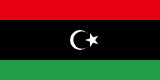
Libya – Facts, Capital & Geography | Random Country Generator
Capital
Tripoli
Population
7.0 Million (#104)
Currency
Libyan Dinar (LYD)
Language
Arabic
Area
1,759,541 km²
National Dish
Asida
National Flower
None official
Density
4/km²
Internet TLD
.ly
Brief History
Libya was ruled by Carthaginians, Romans, Arabs, and the Ottoman Empire, developing as three historic regions: Tripolitania, Cyrenaica, and Fezzan. It was colonized by Italy in 1911 and achieved independence in 1951 as a federal kingdom. Muammar Gaddafi overthrew the monarchy in a 1969 coup, ruling for 42 years until his overthrow in 2011, which plunged the nation into fractional conflicts.
Key Demographics & Capital
Libya has a population of approximately 6.8 million, with ethnic Arab-Berbers comprising over 97% of the total population. Arabic is the sole official language, and Libyan Arabic is the primary spoken dialect. The population is highly urbanized, with over 80% residing in coastal cities, primarily Tripoli and Benghazi, leaving the desert interior uninhabited.
Geography
Libya is a large North African country, the fourth-largest in Africa. Over 90% of the country is desert (Sahara). The narrow coastal strip along the Mediterranean has a more moderate climate. The Tibesti Mountains in the south and Fezzan region feature dramatic desert landscapes with sand dunes and rock formations.
Culture & Tradition
Libyan culture is rooted in Arab and Berber traditions. Islamic heritage is visible in mosques and traditional architecture. Tuareg and Berber communities maintain distinct cultural practices in the south and west. Libyan cuisine features bazeen, couscous, and Mediterranean-influenced dishes. Poetry and oral traditions are highly valued.
Economy
Libya has Africa's largest proven oil reserves, and petroleum dominates the economy. Political instability since 2011 has significantly impacted oil production and the broader economy. Agriculture is limited to the coastal areas. The country has potential for solar energy development given its vast desert areas.
Travel Highlights
Explore the magnificent Roman ruins of Leptis Magna and Sabratha (UNESCO sites), discover the ancient Greek city of Cyrene, marvel at the Saharan landscapes of the Fezzan region, visit Ghadames old town (UNESCO), and explore the desert oases. Libya has extraordinary archaeological heritage awaiting stability for tourism to flourish.
Fun Facts
Libya has the largest proven oil reserves in Africa.
The ancient Roman city of Leptis Magna is one of the best-preserved Roman sites.
About 90% of Libya is desert.
Libya is the fourth-largest country in Africa.
The Sahara Desert in Libya reaches temperatures over 50°C.
The ancient Greeks founded the city of Cyrene in eastern Libya.
Map
Bordering & Nearby Countries
Frequently Asked Questions (FAQs)
More from Africa
Want a surprise? Try our random Africa country generator or pick from the entire world.
Algeria
Discover Algeria: Africa's largest country. From Saharan landscapes to Mediterranean coasts, explore ancient ruins and Berber culture.
Angola
Explore Angola: from Kalandula Falls to Atlantic beaches. Discover vibrant culture, wildlife, and Southern African landscapes.
Benin
Discover Benin: birthplace of Voodoo. Explore Dahomey palaces, floating villages, and rich West African traditions.
Botswana
Explore Botswana: home of the Okavango Delta and incredible safaris. Discover elephants, Kalahari landscapes, and African wilderness.