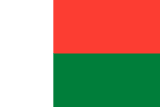
Madagascar – Facts, Capital & Geography | Random Country Generator
Capital
Antananarivo
Population
29.6 Million (#50)
Currency
Malagasy Ariary (MGA)
Language
Malagasy, French
Area
587,041 km²
National Dish
Romazava
National Flower
Traveller's Tree
Density
47/km²
Internet TLD
.mg
Brief History
Madagascar was settled by Austronesian seafarers from Borneo in the early centuries CE, later joined by Bantu migrants. It was unified as a single kingdom in the late 18th century under the Merina dynasty, maintaining its independence through diplomatic treaties with Europe until French colonization in 1897. Madagascar achieved full independence from France on June 26, 1960, under Philibert Tsiranana, undergoing subsequent periods of military rule and political transitions.
Key Demographics & Capital
Madagascar has a population of approximately 29 million, presenting a young demographic profile with a median age of 19. The population is divided into 18 recognized ethnic groups, with the Merina (26%) in the highlands and the Betsimisaraka (15%) on the east coast being the largest. Malagasy and French are the official languages, with Malagasy universally spoken. The population remains predominantly rural (70%), concentrated in the central highlands.
Geography
Madagascar is a massive island nation in the Indian Ocean off the southeast coast of Africa. It is the world's fourth-largest island. The landscape is incredibly diverse: tropical rainforests in the east, dry deciduous forests in the west, central highlands, and spiny forests in the south. The island's long isolation has created extraordinary biodiversity.
Culture & Tradition
Malagasy culture blends Southeast Asian and East African influences, reflecting the island's unique settlement history. The famadihana (turning of the bones) ceremony is a distinctive ancestor-honoring tradition. Rice is the staple food, eaten at every meal. Traditional music features the valiha (tube zither). The Malagasy language is related to Indonesian languages.
Economy
Madagascar's economy is based on agriculture (vanilla — world's largest producer, cloves, coffee), mining (sapphires, nickel), fishing, and textiles. Tourism centered on unique wildlife is growing. The country faces challenges with deforestation and poverty. Vanilla and spice exports are major revenue earners.
Travel Highlights
Spot lemurs in Andasibe-Mantadia National Park, walk the Avenue of the Baobabs at sunset, explore the Tsingy de Bemaraha stone forest (UNESCO), relax on Nosy Be's tropical beaches, snorkel with whale sharks, and discover Isalo National Park's sandstone canyons. Madagascar offers wildlife experiences found nowhere else on Earth.
Fun Facts
Madagascar is the world's fourth-largest island.
About 90% of its wildlife is found nowhere else on Earth.
Lemurs are endemic to Madagascar.
The island split from India about 88 million years ago.
Madagascar has over 12,000 plant species, 80% of which are endemic.
The Avenue of the Baobabs is one of Africa's most iconic landscapes.
Map
Bordering & Nearby Countries
Frequently Asked Questions (FAQs)
More from Africa
Want a surprise? Try our random Africa country generator or pick from the entire world.
Algeria
Discover Algeria: Africa's largest country. From Saharan landscapes to Mediterranean coasts, explore ancient ruins and Berber culture.
Angola
Explore Angola: from Kalandula Falls to Atlantic beaches. Discover vibrant culture, wildlife, and Southern African landscapes.
Benin
Discover Benin: birthplace of Voodoo. Explore Dahomey palaces, floating villages, and rich West African traditions.
Botswana
Explore Botswana: home of the Okavango Delta and incredible safaris. Discover elephants, Kalahari landscapes, and African wilderness.