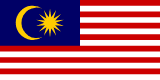
Malaysia – Facts, Capital & Geography | Random Country Generator
Capital
Kuala Lumpur
Population
33.0 Million (#47)
Currency
Malaysian Ringgit (MYR)
Language
Malay
Area
329,847 km²
National Dish
Nasi Lemak
National Flower
Hibiscus
Density
100/km²
Internet TLD
.my
Brief History
Malaysia's peninsula was home to the powerful Malacca Sultanate in the 15th century, serving as a global spice trade hub before Portuguese, Dutch, and British conquests. The British established control over the Straits Settlements and Malay States, importing Chinese and Indian laborers to work in tin and rubber industries. The Federation of Malaya achieved independence on August 31, 1957, expanding to form Malaysia in 1963 with Sabah, Sarawak, and Singapore (which left in 1965).
Key Demographics & Capital
Malaysia has a population of approximately 34 million, presenting a highly diverse demographic mix: ethnic Malays comprise over 57% of the total population, Chinese make up 23%, and Indians make up 7%, alongside indigenous groups (Orang Asli). Malay (Bahasa Melayu) is the sole official language, while English, Mandarin Chinese, and Tamil are widely spoken. The population is highly urbanized (78%), concentrated in the Klang Valley.
Geography
Malaysia is divided into two regions: Peninsular Malaysia and East Malaysia (Sabah and Sarawak on Borneo). The landscape features tropical rainforests, highland areas, and coastal lowlands. Mount Kinabalu in Sabah is the tallest peak in Southeast Asia. The country has stunning islands, coral reefs, and the oldest tropical rainforests in the world.
Culture & Tradition
Malaysian culture is a harmonious blend of Malay, Chinese, Indian, and indigenous influences. This diversity is best experienced through food — nasi lemak, char kuey teow, roti canai, and laksa represent the multicultural cuisine. Islamic architecture, Chinese temples, and Hindu shrines coexist. Traditional crafts include batik, pewter, and woodcarving.
Economy
Malaysia has a diversified economy with electronics manufacturing, petroleum, palm oil, rubber, and tourism as key sectors. The country has transformed from a raw materials exporter to a manufacturing and services hub. Kuala Lumpur is a regional financial center. The Multimedia Super Corridor drives tech development.
Travel Highlights
Admire the Petronas Twin Towers, explore Georgetown's UNESCO-listed heritage, dive at Sipadan Island, trek through Borneo's rainforests to see orangutans, relax on Langkawi's beaches, visit the Cameron Highlands tea plantations, and explore the Batu Caves. Malaysian food alone is worth the trip.
Fun Facts
The Petronas Towers were the world's tallest buildings from 1998 to 2004.
Malaysia is divided between Peninsular Malaysia and Malaysian Borneo.
Malaysia has one of the world's oldest tropical rainforests (130 million years).
Malaysia is the world's second-largest palm oil producer.
The country has over 130 ethnic groups.
Malaysian cuisine is a fusion of Malay, Chinese, and Indian flavors.
Map
Bordering & Nearby Countries
Frequently Asked Questions (FAQs)
More from Asia
Want a surprise? Try our random Asia country generator or pick from the entire world.
Afghanistan
Discover Afghanistan: Hindu Kush mountains and ancient Silk Road heritage. Explore Bamiyan Valley, Herat's architecture, and Afghan culture.
Armenia
Explore Armenia: first Christian nation. Discover ancient monasteries, Lake Sevan, and Caucasus mountain heritage.
Azerbaijan
Explore Azerbaijan: Land of Fire. Discover Baku's Flame Towers, ancient walled city, mud volcanoes, and Caspian Sea heritage.

Bahrain
Explore Bahrain: ancient Dilmun heritage and modern Gulf culture. Discover pearl diving history, Formula One, and island archipelago charm.