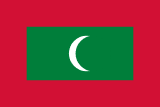
Maldives – Facts, Capital & Geography | Random Country Generator
Capital
Malé
Population
520K (#166)
Currency
Maldivian Rufiyaa (MVR)
Language
Dhivehi
Area
298 km²
National Dish
Garudhiya
National Flower
Pink Rose
Density
1,802/km²
Internet TLD
.mv
Brief History
The Maldives was ruled by local dynasties and converted to Islam in 1153, developing as a sultanate ruled by the Male' dynasty. It became a Dutch and later British protectorate in 1887, serving as a strategic coaling station. The Maldives achieved independence on July 26, 1965, under Sultan Muhammad Fareed Didi, transitioning from a sultanate to a republic in 1968 under Ibrahim Nasir.
Key Demographics & Capital
The Maldives has a population of approximately 520,000, presenting a highly homogeneous demographic profile with ethnic Maldivians comprising over 95% of the citizens. Dhivehi (Maldivian) is the official national language and has its own unique script (Thaana). The population is highly urbanized (42%), with over 150,000 residents concentrated in the extremely dense capital city of Male', which suffers from high congestion.
Geography
The Maldives is a chain of 26 atolls comprising about 1,200 coral islands in the Indian Ocean southwest of Sri Lanka. The islands are low-lying, with an average elevation of just 1.5 meters above sea level, making the country extremely vulnerable to rising sea levels. Crystal-clear lagoons and coral reefs surround the islands.
Culture & Tradition
Maldivian culture blends South Asian, Arab, and African influences. Islam is the state religion. Traditional music includes bodu beru drumming. Dhoni boats are traditional wooden sailing vessels. Maldivian cuisine features fish (especially tuna), coconut, and rice. The lacquerwork and mat-weaving crafts are distinctive.
Economy
Tourism is the Maldives' primary economic driver, accounting for about 28% of GDP. Fishing (especially tuna) is the traditional economic activity. The country imports most of its food and goods. Luxury resort tourism has made the Maldives a premier honeymoon destination. Climate change poses an existential economic threat.
Travel Highlights
Stay in overwater bungalows, snorkel and dive among coral reefs and manta rays, experience bioluminescent beaches, go dolphin watching, explore local islands for authentic culture, and enjoy world-class spa treatments. The Maldives offers the ultimate tropical island escape with some of the clearest water on Earth.
Fun Facts
Maldives is the lowest country in the world with an average elevation of 1.5 meters.
The country consists of about 1,200 coral islands.
Only about 200 of the islands are inhabited.
Maldives has the smallest Asian population.
The underwater restaurant Ithaa was the world's first.
Maldives is the flattest country on Earth.
Map
Bordering & Nearby Countries
Frequently Asked Questions (FAQs)
More from Asia
Want a surprise? Try our random Asia country generator or pick from the entire world.
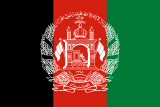
Afghanistan
Discover Afghanistan: Hindu Kush mountains and ancient Silk Road heritage. Explore Bamiyan Valley, Herat's architecture, and Afghan culture.
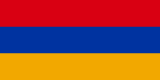
Armenia
Explore Armenia: first Christian nation. Discover ancient monasteries, Lake Sevan, and Caucasus mountain heritage.
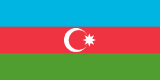
Azerbaijan
Explore Azerbaijan: Land of Fire. Discover Baku's Flame Towers, ancient walled city, mud volcanoes, and Caspian Sea heritage.
Bahrain
Explore Bahrain: ancient Dilmun heritage and modern Gulf culture. Discover pearl diving history, Formula One, and island archipelago charm.