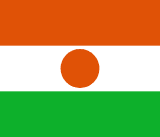
Niger – Facts, Capital & Geography | Random Country Generator
Capital
Niamey
Population
26.2 Million (#54)
Currency
West African CFA Franc (XOF)
Language
French
Area
1,267,000 km²
National Dish
Dambou
National Flower
None official
Density
18/km²
Internet TLD
.ne
Brief History
Niger was home to several powerful states, including the Songhai Empire and the Hausa kingdoms, which controlled trans-Saharan trade routes. It was colonized by France in the late 19th century and incorporated into French West Africa, gaining independence in 1960. Niger's post-independence history has been marked by military coups and Tuareg rebellions, with the latest military junta taking control in 2023.
Key Demographics & Capital
Niger has a population of approximately 26 million, characterized by the world's highest fertility rate (nearly 6.7 births per woman) and a median age of 15. The main ethnic groups are the Hausa (53%), Zarma-Songhai (21%), and Tuareg (11%). French is the official language, while Hausa is the national lingua franca spoken by over 80% of the population. The population is predominantly rural.
Geography
Niger is a large, landlocked country in West Africa, with the Sahara Desert covering the northern two-thirds. The southern region has Sahelian savanna watered by the Niger River. The Aïr Mountains in the north provide an elevated desert landscape. The Ténéré Desert is one of the most barren areas on Earth.
Culture & Tradition
Niger's culture reflects its diverse ethnic groups including Hausa, Zarma, Tuareg, and Fulani peoples. The Tuareg 'Blue Men of the Desert' maintain nomadic traditions. The Cure Salée festival brings nomadic communities together. Traditional silver-working and leathercraft are important arts. Music features the tendé drum and imzad fiddle.
Economy
Niger is one of the poorest countries in the world. The economy relies on subsistence agriculture, livestock herding, and uranium mining (one of the world's largest producers). Artisanal gold mining is growing. The Niger River provides vital water resources for agriculture and fishing.
Travel Highlights
Explore the ancient trading city of Agadez (UNESCO), experience the Cure Salée festival, discover the Aïr Mountains and Ténéré Natural Reserves (UNESCO), visit the mosque of Agadez with its iconic mud-brick minaret, and experience Tuareg desert culture. The W-Arly-Pendjari Complex offers wildlife viewing.
Fun Facts
Niger has the world's highest birth rate.
The Sahara covers about 80% of Niger.
The Cure Salée festival celebrates the end of the rainy season.
Agadez is an ancient trading city at the edge of the Sahara.
The dinosaur graveyard in the Ténéré Desert has significant fossil finds.
Niger is named after the Niger River.
Map
Bordering & Nearby Countries
Frequently Asked Questions (FAQs)
More from Africa
Want a surprise? Try our random Africa country generator or pick from the entire world.
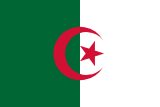
Algeria
Discover Algeria: Africa's largest country. From Saharan landscapes to Mediterranean coasts, explore ancient ruins and Berber culture.
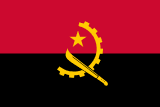
Angola
Explore Angola: from Kalandula Falls to Atlantic beaches. Discover vibrant culture, wildlife, and Southern African landscapes.
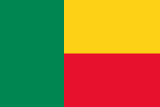
Benin
Discover Benin: birthplace of Voodoo. Explore Dahomey palaces, floating villages, and rich West African traditions.
Botswana
Explore Botswana: home of the Okavango Delta and incredible safaris. Discover elephants, Kalahari landscapes, and African wilderness.